



How do you prevent cross-contamination?
Cross-contamination is invisible but dangerous — learn how HACCP training makes your workplace truly safer.

What happens if you don’t comply with HACCP?
HACCP violations lead to fines, closures, and reputational damage. Find out what you’re risking — and how to prevent it.

Can HACCP training be translated?
Yes, HACCP training may officially be translated — discover how multilingual teams truly understand food safety.

How do you plan HACCP training efficiently?
Efficiently planning HACCP training? Discover smart strategies for teams with rotating shifts and language differences.

What happens without HACCP training?
Untrained employees represent the greatest food safety risk — discover the consequences of missing HACCP training for your organization.

Why do companies fail audits?
Discover why companies fail audits and how demonstrable employee training makes all the difference.

What are the biggest HACCP risks in the workplace?
Discover which HACCP risks most commonly go wrong on the work floor and how you can prevent them.

How do you prevent employees from keep making mistakes?
Recurring workplace mistakes? Discover how microlearning and smart knowledge sharing solve this structurally.

How do you train new employees in HACCP?
Training new employees in HACCP? Discover the smartest approach to food safety in the workplace.
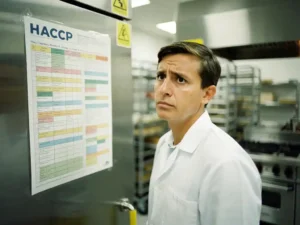
Why do employees often not understand HACCP rules?
Why HACCP Knowledge Gets Stuck on the Work Floor — and How to Fix It Structurally

How do you apply HACCP in daily operations?
HACCP in practice: from hazard analysis to CCPs and effective employee training for demonstrable food safety.

What are the most common mistakes in HACCP audits?
Avoidable HACCP audit mistakes cost organizations time and certification — discover which pitfalls occur most often.