

Veiligheid op de werkvloer begint bij goede communicatie. Of je nu werkt in de bouw, logistiek, productie of zorg: medewerkers moeten weten hoe ze veilig kunnen werken, en die kennis moet regelmatig worden opgefrist. Twee veelgebruikte methoden daarvoor zijn de toolbox meeting en de safety talk. Maar wat is precies het verschil, en wanneer kies je voor welke aanpak?
In dit artikel leggen we beide begrippen helder uit, zodat jij als trainer, leidinggevende of HR-professional de juiste keuze maakt voor jouw team.
Wat is een toolbox meeting precies?
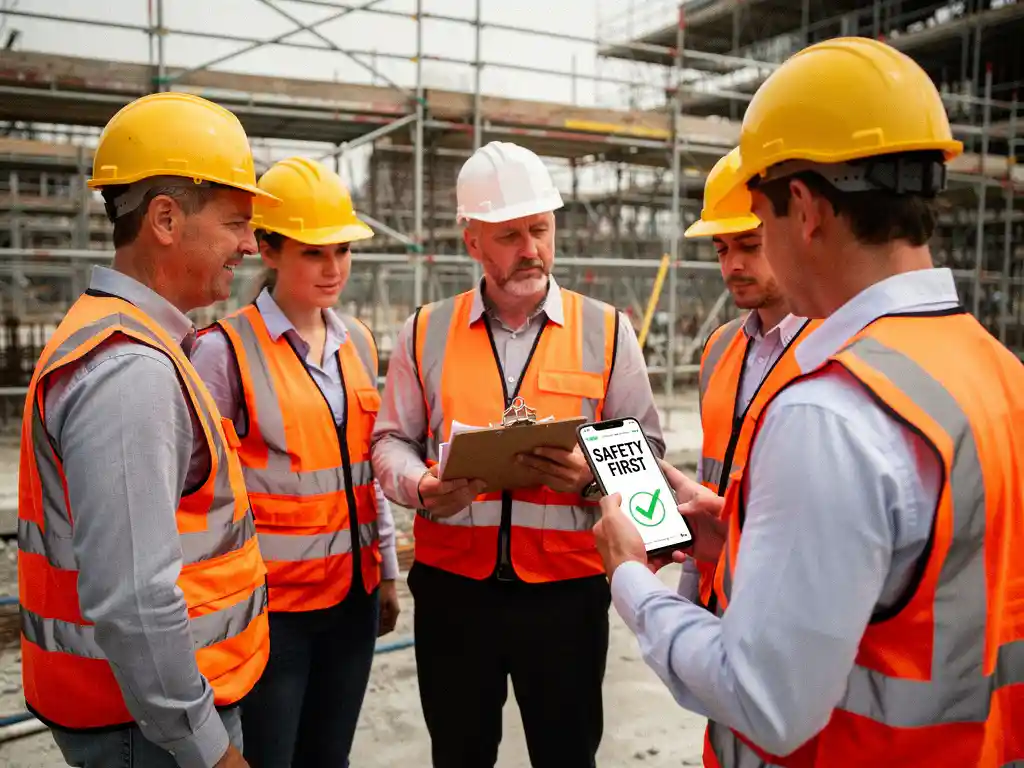
Een toolbox meeting is een korte, gerichte bijeenkomst waarbij een specifiek veiligheidsonderwerp centraal staat. De naam verwijst naar de metaforische gereedschapskist: je pakt er één onderwerp uit en bespreekt dat grondig met je team. Toolbox meetings duren doorgaans 15 tot 30 minuten en vinden meestal plaats op de werkvloer zelf. Wil je weten welke digitale hulpmiddelen je hierbij kunt inzetten? Bekijk dan de toolbox van E-lia voor een overzicht van de mogelijkheden.
Tijdens een toolbox meeting staat interactie centraal. Medewerkers worden actief betrokken bij het gesprek: ze stellen vragen, delen ervaringen en denken mee over hoe risico’s kunnen worden voorkomen. Typische onderwerpen zijn het gebruik van persoonlijke beschermingsmiddelen, veilig tillen, brandveiligheid of het werken met gevaarlijke stoffen. De bijeenkomst is praktisch van aard en direct toepasbaar op de dagelijkse werksituatie van het team.
Een belangrijk kenmerk van toolbox meetings is dat ze regelmatig terugkeren, vaak wekelijks of maandelijks, als vast onderdeel van het veiligheidsbeleid. Zo bouwen ze aan een cultuur van veiligheidsbewustzijn binnen de organisatie.
Wat is een safety talk en hoe werkt het?
Een safety talk is een korte, informele bespreking van een veiligheidsonderwerp, vaak aan het begin van een werkdag of shift. Het is minder gestructureerd dan een toolbox meeting en duurt meestal slechts 5 tot 10 minuten. Het doel is medewerkers snel te herinneren aan een veiligheidsregel of een actueel risico onder de aandacht te brengen.
Safety talks worden vaak spontaan ingezet als reactie op een recente bijna-situatie, een verandering in de werkomgeving of een seizoensgebonden risico, zoals gladheid in de winter. Ze zijn bedoeld als snelle opfrisser, niet als diepgaande training. De leidinggevende of ploegleider neemt het initiatief en deelt in een paar zinnen de kern van de boodschap.
Omdat safety talks zo laagdrempelig zijn, kunnen ze heel frequent worden ingezet zonder dat ze veel tijd kosten. Ze zijn bij uitstek geschikt om het veiligheidsbewustzijn levend te houden tussen uitgebreidere trainingsbijeenkomsten door.
Wat is het verschil tussen een toolbox meeting en een safety talk?
Het belangrijkste verschil zit in de diepgang, duur en structuur. Een toolbox meeting is een gepland, interactief overleg van 15 tot 30 minuten rondom één specifiek veiligheidsthema. Een safety talk is een korte, informele herinnering van 5 tot 10 minuten, vaak zonder voorbereiding of vaste agenda.
Hier zijn de voornaamste verschillen op een rij:
- Duur: Toolbox meeting: 15-30 minuten; safety talk: 5-10 minuten
- Voorbereiding: Toolbox meetings vereisen voorbereiding en materiaal; safety talks zijn vaak spontaan
- Interactie: Bij toolbox meetings is tweerichtingscommunicatie essentieel; bij safety talks is de leidinggevende vooral aan het woord
- Frequentie: Safety talks kunnen dagelijks plaatsvinden; toolbox meetings zijn wekelijks of maandelijks
- Diepgang: Toolbox meetings gaan grondig in op een onderwerp; safety talks blijven oppervlakkig
Beide methoden vullen elkaar aan. Ze zijn geen concurrenten, maar onderdelen van een compleet veiligheidsbeleid.
Wanneer gebruik je een toolbox meeting en wanneer een safety talk?
Kies voor een toolbox meeting wanneer je een nieuw veiligheidsonderwerp wilt introduceren, medewerkers wilt trainen op een specifiek risico, of wanneer er een incident heeft plaatsgevonden dat een diepere analyse vraagt. Kies voor een safety talk bij een snelle herinnering, een actuele situatie of een dagelijkse check-in.
Praktische richtlijn:
- Gebruik een toolbox meeting voor: de introductie van nieuwe procedures, seizoensgebonden veiligheidsthema’s, verplichte jaarlijkse onderwerpen zoals Arbowetgeving, of na een incident. Voor het uitvoeren van werkplekinspecties biedt E-lia ook gerichte ondersteuning.
- Gebruik een safety talk voor: de dagelijkse start van een shift, een snelle herinnering aan een bekende regel, een actueel risico zoals slecht weer of een tijdelijke gevaarlijke situatie
De combinatie van beide werkt het sterkst: gebruik safety talks om het veiligheidsbewustzijn dagelijks levend te houden, en toolbox meetings om kennis echt te verdiepen en te verankeren.
Hoe organiseer je een effectieve toolbox meeting of safety talk?
Een effectieve toolbox meeting of safety talk staat of valt met relevantie en betrokkenheid. De bijeenkomst moet aansluiten bij de dagelijkse realiteit van de medewerkers; anders haken ze snel af.
Tips voor een succesvolle toolbox meeting
- Kies een onderwerp dat actueel en herkenbaar is voor het team
- Bereid visueel materiaal voor, zoals foto’s van de eigen werkomgeving
- Stel open vragen om discussie te stimuleren
- Beperk je tot één kernboodschap per sessie
- Sluit af met een concrete actie of afspraak
- Maak gebruik van duidelijke werkinstructies zodat medewerkers altijd kunnen terugvallen op de juiste procedures
Tips voor een goede safety talk
- Houd het kort en concreet: één risico, één boodschap
- Koppel de boodschap aan iets wat medewerkers die dag gaan doen
- Vermijd jargon; spreek de taal van de werkvloer
- Stel één vraag om te checken of de boodschap is overgekomen
Of je nu een toolbox meeting of een safety talk organiseert, zorg altijd voor een rustige omgeving zonder afleidingen en spreek medewerkers persoonlijk aan. Dat verhoogt de betrokkenheid aanzienlijk.
Hoe zorg je dat medewerkers veiligheidsinformatie ook onthouden?
Veiligheidsinformatie beklijft beter wanneer je die regelmatig herhaalt in kleine stukjes, aansluit bij de praktijk en medewerkers actief betrekt. Eenmalige trainingen zijn zelden voldoende om gedrag structureel te veranderen. Een doordachte aanpak voor het vasthouden en onderhouden van kennis is dan ook onmisbaar binnen een goed veiligheidsbeleid.
Het menselijk geheugen werkt nu eenmaal zo dat informatie snel vervliegt als er geen herhaling plaatsvindt. Dit wordt ook wel het vergeetcurve-effect genoemd. De oplossing is microlearning: korte, gerichte leermomenten die regelmatig terugkeren en aansluiten bij de werksituatie van dat moment.
Praktische manieren om kennisbehoud te verbeteren:
- Herhaal kernboodschappen meerdere keren via verschillende kanalen
- Koppel veiligheidsinformatie aan concrete situaties uit de dagelijkse praktijk
- Gebruik visuele hulpmiddelen zoals infographics of korte video’s
- Stel quizvragen na een sessie om kennis te toetsen
- Geef medewerkers de mogelijkheid om informatie terug te lezen wanneer ze dat nodig hebben
- Zorg voor een goede onboarding zodat nieuwe medewerkers vanaf dag één vertrouwd raken met de veiligheidsregels en -procedures binnen jouw organisatie
Hoe E-lia helpt met toolbox meetings en veiligheidstraining
Wij bij E-lia maken het eenvoudig om veiligheidsinformatie structureel en effectief te delen met je team, zonder ingewikkelde systemen of tijdrovende sessies. Via WhatsApp sturen wij korte microlearnings direct naar de telefoon van medewerkers, precies op het moment dat het relevant is. Geen app downloaden, niet inloggen: gewoon leren via het kanaal dat iedereen al gebruikt.
Dit is hoe wij jouw veiligheidsbeleid ondersteunen:
- Microlearnings als digitale toolbox: Bouw in 10-15 minuten een module rondom een veiligheidsonderwerp en stuur die gepland of direct naar je team
- Automatische herhaling: Plan modules op vaste momenten, zodat kennisbehoud geborgd is
- Meertalige ondersteuning: Medewerkers ontvangen veiligheidsinformatie in hun eigen taal dankzij automatische vertalingen
- Voortgang volgen: Via een gebruiksvriendelijk dashboard zie je direct wie de module heeft afgerond en wie nog niet
- Toegankelijk voor iedereen: Geen computer nodig, geen nieuwe app, geen login
- HACCP-training: Voor organisaties in de voedingssector biedt E-lia ook gerichte HACCP-training aan via hetzelfde toegankelijke platform
Wil je zien hoe wij jouw toolbox meetings en veiligheidstraining kunnen versterken met microlearning via WhatsApp? Neem contact met ons op en ontdek wat E-lia voor jouw organisatie kan betekenen.
Veelgestelde vragen
Hoe vaak moet ik toolbox meetings en safety talks combineren voor een optimaal veiligheidsbeleid?
Een goede richtlijn is om dagelijkse of wekelijkse safety talks te combineren met maandelijkse toolbox meetings. Zo houd je het veiligheidsbewustzijn dagelijks levend via korte safety talks, terwijl toolbox meetings zorgen voor diepgaandere kennisopbouw en gedragsverandering op de lange termijn. De exacte frequentie hangt af van de risicograad van je sector: in de bouw of chemische industrie zul je vaker willen communiceren dan in een kantooromgeving.
Wie is verantwoordelijk voor het organiseren van toolbox meetings en safety talks?
In de meeste organisaties ligt die verantwoordelijkheid bij de directe leidinggevende, ploegleider of preventiemedewerker. Het is belangrijk dat de persoon die de bijeenkomst leidt geloofwaardig is voor het team en de werksituatie goed kent. Voor toolbox meetings kan een veiligheidscoördinator of HR-professional inhoudelijke ondersteuning bieden, terwijl de leidinggevende op de werkvloer de uitvoering verzorgt.
Moet ik een toolbox meeting of safety talk documenteren, en zo ja, hoe?
Ja, documentatie is sterk aan te raden, zeker voor toolbox meetings. In het kader van de Arbowetgeving kan het noodzakelijk zijn om aan te tonen dat medewerkers veiligheidsonderwijzen hebben ontvangen. Noteer minimaal de datum, het onderwerp, de aanwezige medewerkers en eventuele gemaakte afspraken of actiepunten. Digitale tools zoals een LMS of een platform zoals E-lia kunnen dit proces automatiseren en de voortgang per medewerker inzichtelijk maken.
Wat doe ik als medewerkers niet gemotiveerd zijn om deel te nemen aan toolbox meetings?
Gebrek aan motivatie ontstaat vaak doordat de inhoud niet relevant of herkenbaar genoeg aanvoelt voor medewerkers. Zorg ervoor dat je onderwerpen kiest die direct aansluiten bij hun dagelijkse werksituatie en gebruik concrete voorbeelden of foto's van de eigen werkplek. Geef medewerkers ook een actieve rol door hen vragen te stellen of ervaringen te laten delen, want interactie vergroot betrokkenheid aanzienlijk. Houd sessies bovendien kort en to the point om te voorkomen dat ze als tijdverspilling worden ervaren.
Kan ik toolbox meetings ook digitaal of hybride organiseren?
Ja, dat is zeker mogelijk en wordt steeds gebruikelijker, zeker bij organisaties met meerdere locaties of ploegendiensten. Digitale microlearnings, korte video's of WhatsApp-berichten zijn effectieve manieren om veiligheidsinformatie te delen zonder dat iedereen fysiek aanwezig hoeft te zijn. Let er wel op dat je bij digitale vormen de interactie bewust inbouwt, bijvoorbeeld via quizvragen of een korte terugkoppeling, zodat de betrokkenheid van medewerkers behouden blijft.
Hoe kies ik de juiste onderwerpen voor mijn toolbox meetings?
Baseer je onderwerpkeuze op een combinatie van incidentregistraties, risicoanalyses, seizoensgebonden gevaren en wettelijke verplichtingen vanuit de Arbowetgeving. Betrek medewerkers ook actief bij de keuze: zij signaleren vaak risico's die in rapporten niet zichtbaar zijn. Zorg voor een jaarplanning zodat alle verplichte onderwerpen aan bod komen, maar houd ruimte voor actuele thema's die inspelen op recente gebeurtenissen of veranderingen op de werkvloer.
Wat zijn veelgemaakte fouten bij het houden van toolbox meetings en hoe voorkom ik die?
De meest voorkomende fouten zijn: te veel onderwerpen in één sessie behandelen, te veel praten en te weinig ruimte geven voor vragen, en inhoud gebruiken die niet aansluit bij de praktijk van de medewerkers. Beperk elke sessie tot één kernboodschap, stel open vragen om discussie uit te lokken en gebruik altijd praktijkvoorbeelden uit de eigen werkomgeving. Een andere valkuil is het ontbreken van opvolging: sluit elke toolbox meeting af met een concrete actie of afspraak en kom daar in een volgende sessie op terug.