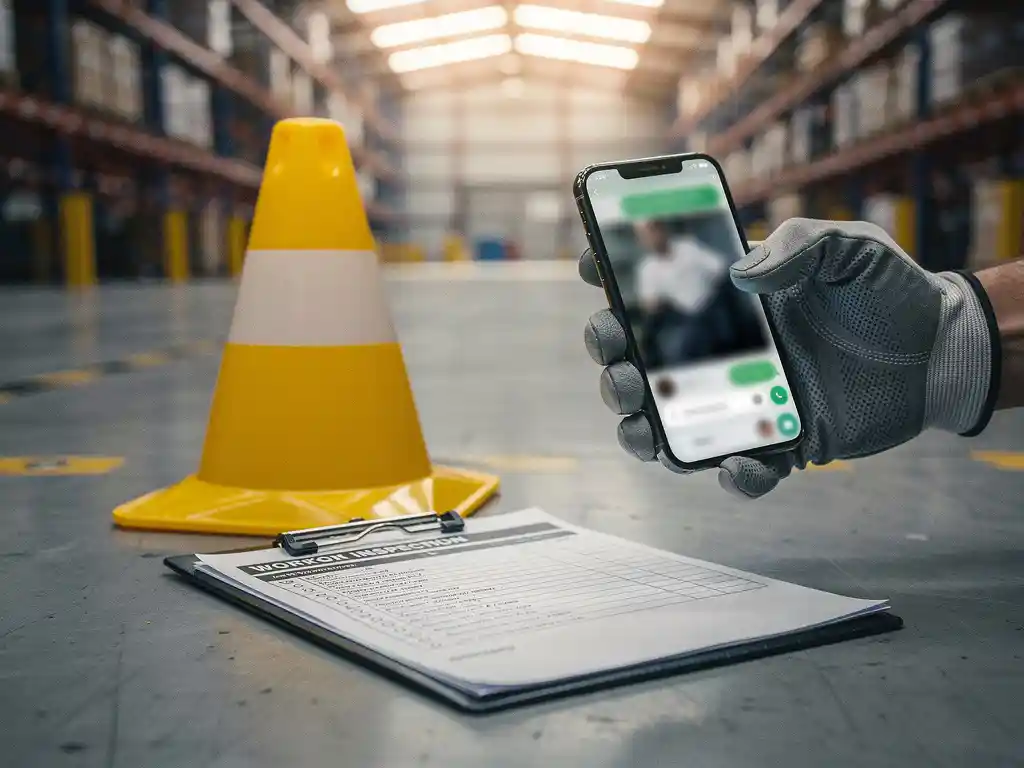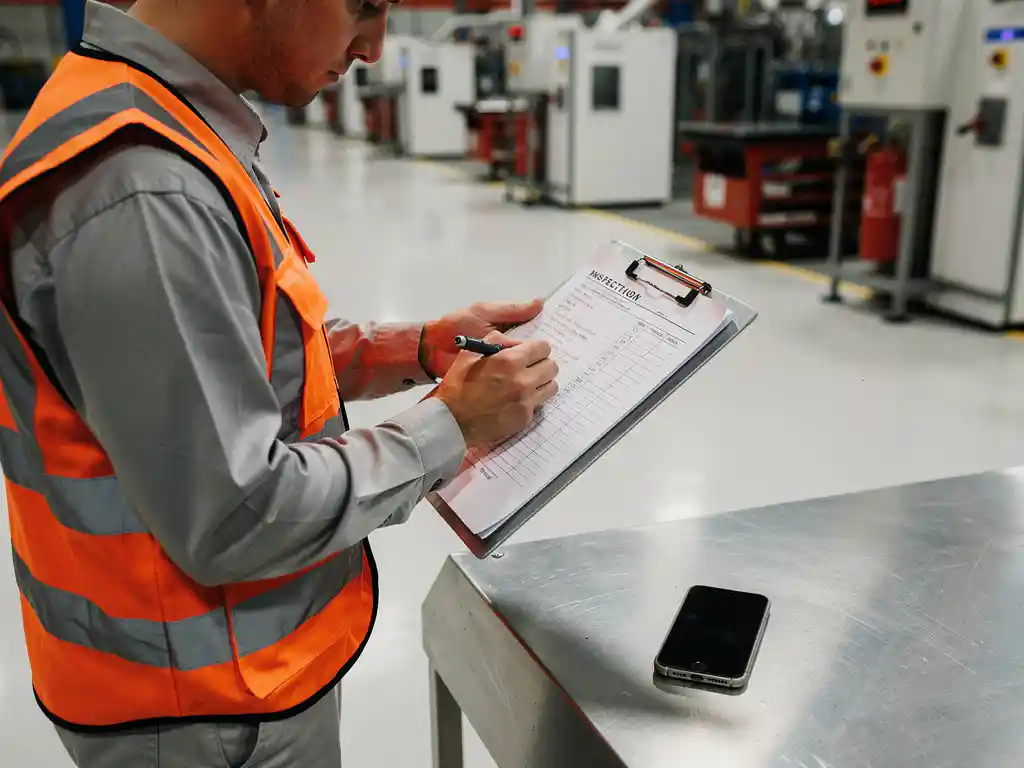



Employers are legally responsible for maintaining a safe working environment at all times, and that responsibility does not pause during a workplace inspection. Under most national labor laws and health and safety regulations, employers must demonstrate active compliance with occupational health and safety standards, keep documentation in order, and ensure that working conditions meet legal requirements. Whether you are facing a routine health and safety inspection or an unannounced visit from a regulatory authority, understanding your employer obligations in advance makes a significant difference. This article walks through the most common questions employers have about workplace inspections, employer liability, and how to stay compliant. Contact us if you want to learn how structured training can support your compliance efforts.
What are employers legally responsible for during a workplace inspection?
During a workplace inspection, employers are legally responsible for demonstrating that they have taken all reasonable steps to protect the health, safety, and welfare of their employees. This includes maintaining a safe physical environment, ensuring equipment is properly maintained, and showing that workers have received adequate training and instructions for their roles.
Inspectors from labor authorities or occupational health and safety bodies will typically assess whether the workplace meets the standards set out in national legislation. In practice, this means employers must be able to show:
- A current and up-to-date risk assessment covering all significant workplace hazards
- Evidence that employees have been trained on relevant health and safety procedures
- Maintenance records for machinery, equipment, and facilities
- Clear emergency procedures that are communicated to all staff
- Compliance with sector-specific regulations where applicable
Employers cannot simply claim that a safe environment exists. They must be able to prove it through documentation and observable working conditions. This is why preparation before an inspection is as important as the inspection itself.
What types of workplace inspections can an employer expect?
Employers can expect several types of workplace inspections, including routine scheduled visits, unannounced spot checks, and investigations triggered by an employee complaint or a reported accident. Each type carries different levels of scrutiny and requires a different level of readiness.
Routine inspections are typically carried out by national labor inspectorates on a planned cycle, especially in higher-risk industries such as construction, manufacturing, healthcare, and logistics. These visits often follow a standard checklist and give employers some advance notice.
Unannounced inspections can occur at any time and are often prompted by anonymous complaints from employees, reports of unsafe working conditions, or patterns of non-compliance in a particular sector. Accident investigations are a separate category entirely and are triggered when a serious workplace injury or fatality occurs. These tend to be far more detailed and can lead to enforcement action or prosecution if negligence is found.
Internal audits, carried out by the employer or a third-party safety consultant, are not legally mandated inspections but are considered best practice. They help organizations identify gaps before a regulatory inspector does.
Who is liable if a workplace accident occurs during an inspection?
If a workplace accident occurs during an inspection, the employer generally remains liable, provided the accident stems from unsafe working conditions that were already present. The presence of an inspector does not transfer responsibility to the inspecting authority. Employer liability under labor law is ongoing and does not pause because a third party is on site.
Liability may be shared or modified in specific circumstances. For example, if an inspector instructs a worker to perform a task in a particular way that directly causes an injury, the liability picture becomes more complex and may involve legal proceedings to determine fault. However, this is the exception rather than the rule.
In most cases, the employer’s duty of care extends to anyone present on their premises, including inspectors, contractors, and visitors. This means that if an inspector is injured due to a hazard the employer knew about or should have known about, the employer can face legal consequences. Adequate risk assessments and clear hazard communication are the primary defenses in such situations.
What documentation should employers have ready before an inspection?
Before a workplace inspection, employers should have a core set of documents readily accessible, including their risk assessments, employee training records, equipment maintenance logs, accident and near-miss reports, and any relevant safety policies and procedures. Having these organized and up to date is one of the most effective ways to demonstrate workplace compliance.
The specific documents an inspector will request depend on the sector and the type of inspection, but a solid baseline includes:
- Risk assessment records covering all identified hazards and the control measures in place
- Training records showing which employees have completed which training, and when
- Maintenance and inspection logs for equipment, machinery, and safety systems such as fire alarms
- Accident and incident reports including near misses, even those that did not result in injury
- Emergency response plans and records showing staff have been briefed on them
- Contracts and policies related to health and safety, including any sector-specific compliance documentation
Gaps in documentation are one of the most common reasons employers face enforcement action. Even if the physical working environment is safe, an inability to prove compliance on paper can result in improvement notices or fines.
What happens if an employer fails a workplace inspection?
If an employer fails a workplace inspection, the inspecting authority can issue a range of enforcement actions depending on the severity of the violations. These can range from an improvement notice requiring corrective action within a set timeframe to a prohibition notice that immediately stops a specific activity or closes part of the workplace.
In serious cases, particularly where there is evidence of deliberate negligence or where a failure has contributed to injury or death, employers can face criminal prosecution under labor law. Fines can be substantial, and in some jurisdictions, individual managers or directors can be held personally liable alongside the organization.
Beyond legal consequences, failing an inspection can damage an organization’s reputation, affect relationships with clients and partners, and lead to increased insurance premiums. In regulated industries such as healthcare or food production, a failed inspection can result in the suspension of operating licenses.
The most important thing to understand is that enforcement action is not inevitable after a failed inspection. Inspectors generally distinguish between employers who are making genuine efforts to comply and those who are indifferent to their obligations. Demonstrating a clear improvement plan and taking corrective steps promptly can significantly influence the outcome.
How can employers reduce liability risks before an inspection occurs?
Employers can reduce employer liability risks by building a culture of continuous compliance rather than treating inspections as isolated events. This means conducting regular internal audits, keeping training records current, updating risk assessments whenever working conditions change, and ensuring that all employees understand the safety procedures relevant to their roles.
Practical steps that make a measurable difference include:
- Scheduling regular internal safety walkthroughs and documenting the findings
- Ensuring that new employees receive structured onboarding that covers health and safety from day one
- Keeping training records centralized and easy to retrieve at short notice
- Updating risk assessments whenever new equipment is introduced, processes change, or incidents occur
- Creating a clear process for employees to report hazards without fear of reprisal
- Reviewing compliance requirements annually, especially in sectors where regulations evolve frequently
One often-overlooked area is multilingual workforces. If employees do not receive safety instructions in a language they fully understand, the employer’s liability exposure increases significantly. Ensuring that training and workplace instructions are accessible to all staff, regardless of language, is both a legal obligation in many countries and a practical risk management measure.
How E-Lia helps with workplace compliance and training
Staying on top of workplace compliance requires more than good intentions. Employees need to receive the right information, at the right time, in a format they will actually engage with. That is exactly where we come in. At E-Lia, we help organizations deliver training and workplace instructions via WhatsApp, with no app downloads, no logins, and no complex systems to manage.
Here is what that looks like in practice:
- Structured onboarding: New employees receive clear, step-by-step instructions from day one, so they understand safety procedures before they even set foot on the work floor
- Microlearning modules: Short, focused training modules take 3 to 6 minutes to complete and can cover health and safety topics, process updates, or compliance requirements
- Multilingual support: Automatic translation means every employee receives training in their own language, reducing miscommunication and liability risk
- Progress tracking: Our dashboard lets you see exactly who has completed which training, giving you the documented evidence you need during an inspection
- Fast content creation: Building a module takes 10 to 15 minutes on average, so you can respond quickly when regulations change or new procedures need to be communicated
Whether you are preparing for a health and safety inspection or simply want to build stronger compliance habits across your organization, we make it straightforward. Plan a demo and see how E-Lia can help your team stay compliant, informed, and inspection-ready.
Frequently Asked Questions
How much notice does an employer typically receive before a workplace inspection?
This depends entirely on the type of inspection. Routine inspections from a national labor inspectorate may come with advance notice of days or weeks, while unannounced spot checks and complaint-driven inspections can arrive without any warning at all. This is precisely why compliance should be maintained continuously rather than prepared for in a rush. Treating every day as if an inspector could walk through the door is the most reliable approach.
Can employees refuse to speak to an inspector during a workplace visit?
In most jurisdictions, inspectors have the legal authority to interview employees privately and without the employer present, and employees are generally protected from retaliation for cooperating honestly. Employers should never instruct staff to withhold information or avoid inspectors, as this can be treated as obstruction and significantly worsen the legal outcome. The best preparation is ensuring employees are well-informed about actual safety practices so their answers reflect genuine compliance.
What is the most common mistake employers make when preparing for a workplace inspection?
The most common mistake is focusing on the physical environment while neglecting documentation. An employer may have a genuinely safe workplace, but if training records are incomplete, risk assessments are outdated, or maintenance logs are missing, an inspector has no way to verify that compliance is real and sustained. Paperwork is not a bureaucratic formality — it is the evidence that your safety practices are consistent and intentional.
How often should risk assessments be updated to stay inspection-ready?
Risk assessments should be reviewed and updated whenever there is a significant change to the workplace — such as new equipment, a process change, a near-miss incident, or a shift in workforce composition. Beyond event-driven updates, a full review at least once a year is considered best practice in most sectors. Dated risk assessments that have not been revisited in years are a red flag for inspectors and suggest that the employer is not actively managing hazards.
Are small businesses held to the same inspection standards as large employers?
Yes, the core legal obligations around health and safety apply to employers of all sizes, though some jurisdictions do allow simplified documentation requirements for very small businesses — for example, written risk assessments may only be mandatory above a certain headcount. However, the duty of care itself does not shrink with company size. Small employers are equally liable for unsafe working conditions and can face the same enforcement actions, including fines and prohibition notices.
What should an employer do immediately after receiving a failed inspection or an improvement notice?
The first step is to acknowledge the findings in writing and begin addressing each violation within the timeframe specified in the notice. Inspectors and regulatory bodies respond more favorably to employers who act promptly and transparently than to those who dispute findings or delay action. Document every corrective step taken, update your risk assessments and training records accordingly, and consider conducting an internal audit to check whether similar issues exist elsewhere in the organization.
How can employers ensure multilingual workers are genuinely covered by their safety training?
Providing safety materials only in the dominant workplace language is not sufficient if a significant portion of your workforce does not fully understand it — and in many countries, this creates direct legal liability. Employers should ensure that training, emergency procedures, and hazard communications are delivered in each employee's preferred language, with comprehension verified rather than assumed. Digital training tools that support automatic translation can make this scalable without requiring separate content to be built for each language group.