You verify whether improvement measures following an inspection have actually been carried out by recording their implementation in writing, assigning responsibilities clearly, and actively monitoring progress. Maintaining a simple checklist is not enough: demonstrable compliance requires linked records, supporting evidence, and a robust follow-up process. In this article, we answer the most frequently asked questions about verifying corrective measures after a workplace inspection.
What methods exist for verifying improvement measures?
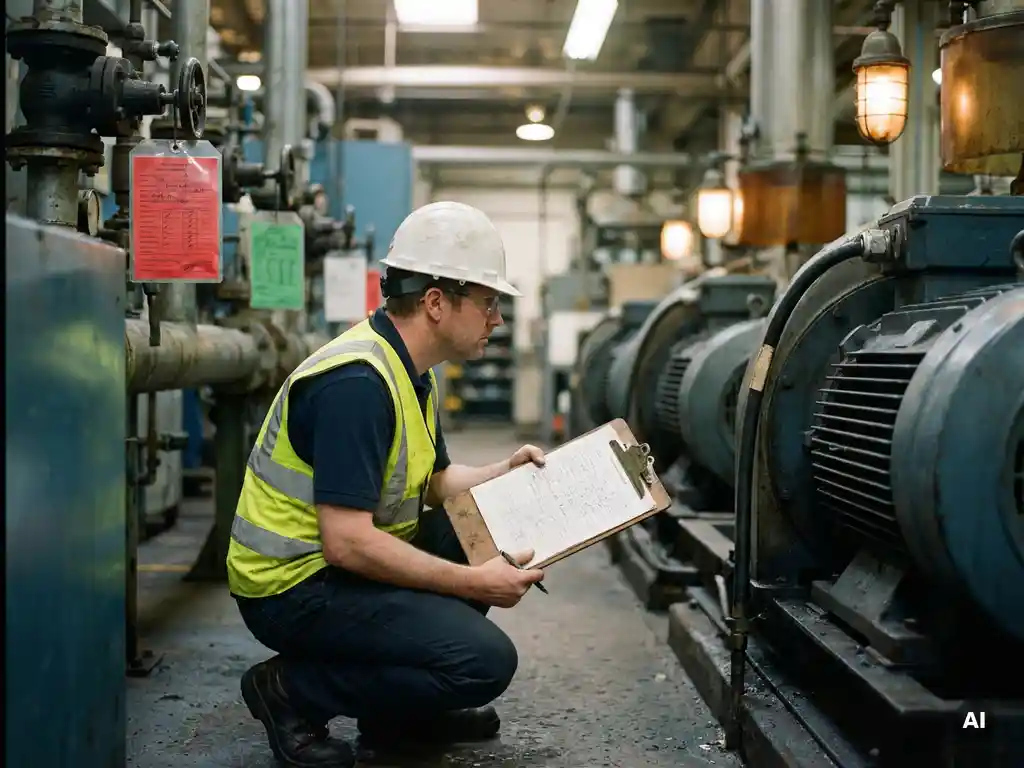
You verify improvement measures following an inspection by comparing actual implementation against the agreed actions. This is done through physical re-inspection at the workplace, documentation review, and digital progress recording. The combination of these three methods provides the most reliable picture of the actual situation.
In practice, there are four commonly used verification methods:
- Re-inspection on site: A manager or safety officer revisits the workplace and checks on the spot whether the measure has been implemented.
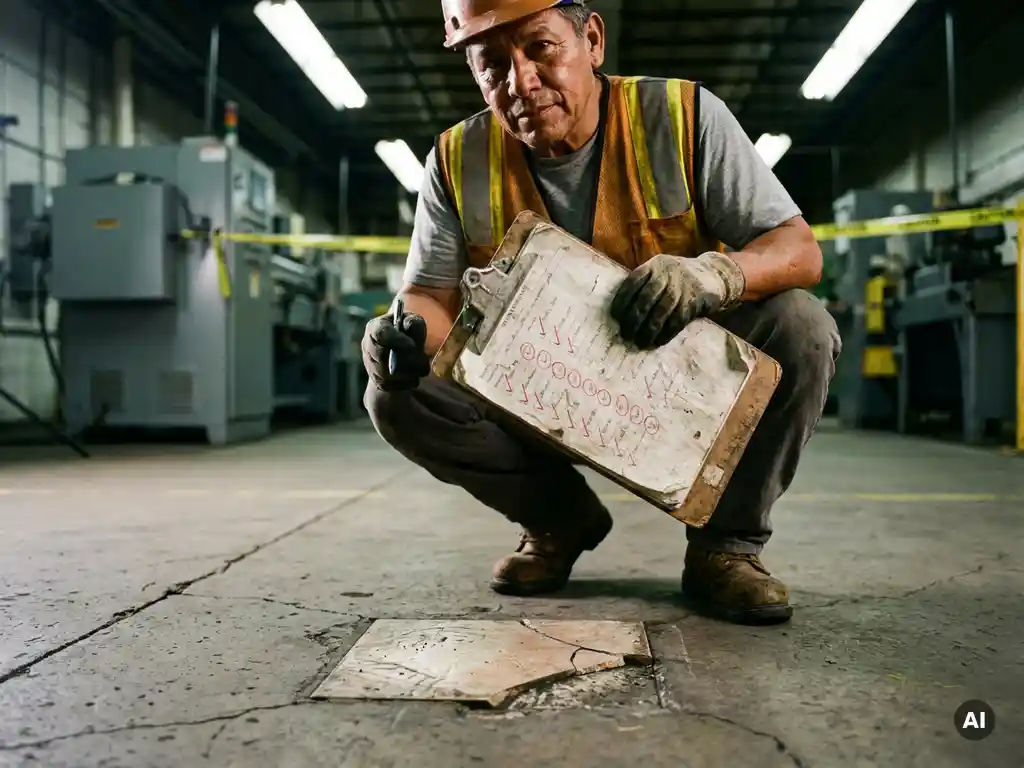
- Photo documentation: Employees or inspectors record the situation before and after the measure with photographs, including a timestamp and location.
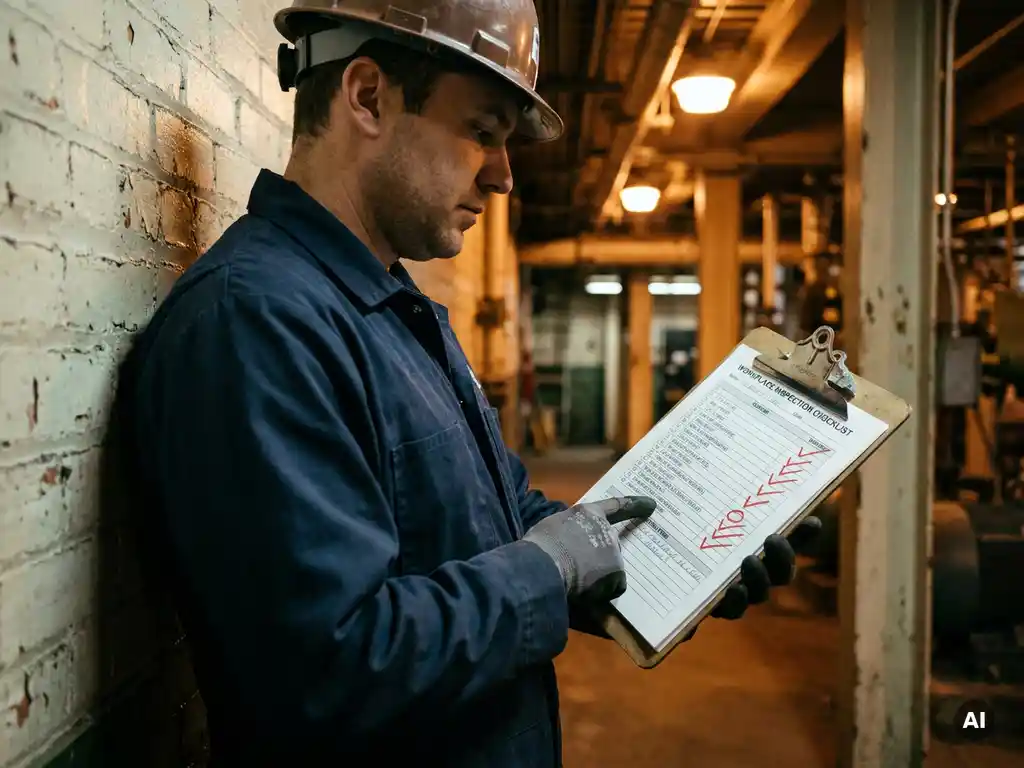
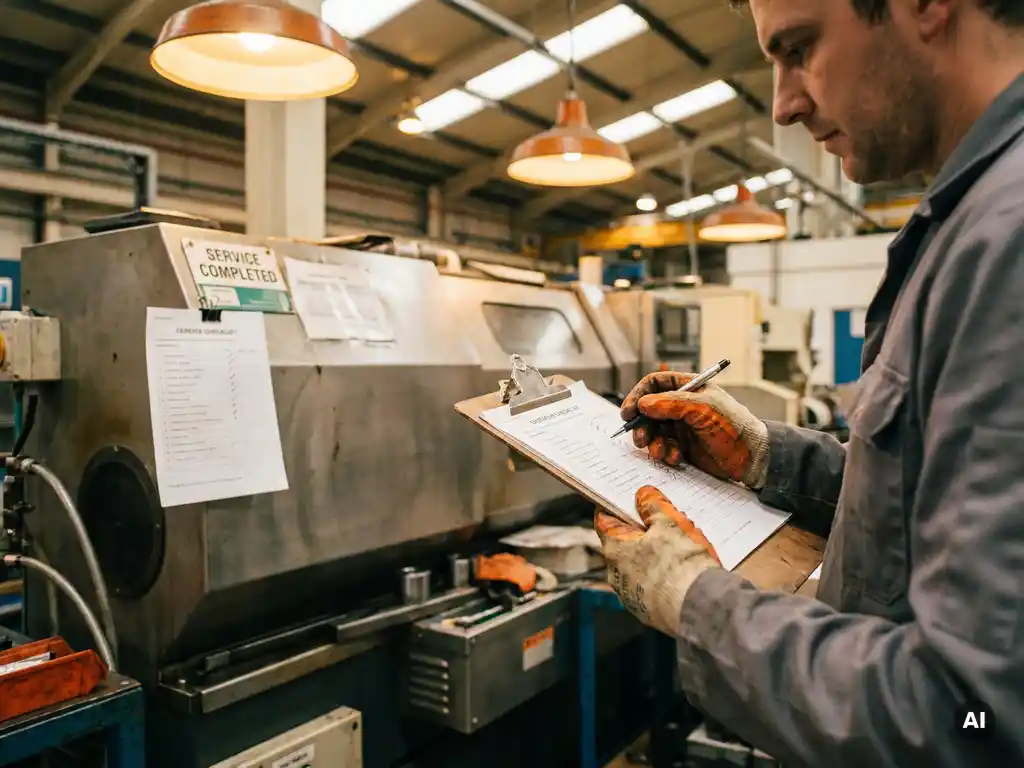
- Digital checklists and forms: Via a digital system, you record the status, the responsible person, and the agreed deadline for each finding.
- Knowledge check with employees: You verify not only whether a physical change has been made, but also whether employees are aware of and understand the revised way of working.
Which method is most appropriate depends on the nature of the finding. A technical adjustment calls for a physical check or photograph. A behavioural measure, such as consistently wearing personal protective equipment, is better verified through observation or a targeted knowledge check. Combine methods where possible to obtain a complete picture.
Who is responsible for following up on inspection findings?
Responsibility for following up on inspection findings lies primarily with the employer or their authorised representative, such as a manager or prevention officer. For each finding, you also assign a concrete owner: someone who is responsible for implementing that specific measure within the agreed timeframe.
A workable division typically looks like this:
- Board or management: Sets priorities, allocates resources, and holds ultimate responsibility for compliance.
- Line manager on the shop floor: Monitors day-to-day implementation, directs employees, and reports on progress.
- Prevention officer or safety coordinator: Maintains the overall overview, identifies delays, and provides support for complex measures.
- Operational employee: Carries out the measure in practice and provides feedback to the line manager.
Unclear ownership is one of the most common causes of measures not being implemented. Record explicitly for each finding who is responsible, what needs to be done, and when it must be completed. Without these three elements, follow-up remains a matter of chance.
How do you document the implementation of improvement measures demonstrably?
You document the implementation of improvement measures demonstrably by maintaining a record for each measure that contains at minimum the finding, the action taken, the person responsible, the date, and the supporting evidence. That record must be reproducible: an auditor or inspector must be able to establish without additional explanation what was done and when.
Practical elements of good documentation include:
- A description of the original finding and the agreed measure
- The name of the responsible person and the agreed deadline
- A status update at the time of implementation, including the date
- Supporting evidence such as photographs, signed forms, or screenshots
- A closing confirmation by a manager or responsible person that the measure has been verified
Paper records are error-prone and difficult to retrieve. Digital recording makes it easier to build a complete and searchable file. Do ensure that the system you use is accessible to everyone who needs to contribute, otherwise gaps in the records will still arise.
What are common mistakes in following up on inspections?
The most common mistakes in following up on inspection findings are: failing to assign an owner for each measure, not setting a deadline, not actively monitoring progress, and not verifying implementation after a measure has been marked as “complete”. The result is that findings are closed on paper while the situation on the shop floor has not changed.
Other frequently made mistakes include:
- Insufficient specificity: Measures are described as “address” or “improve” without specifying exactly what needs to change.
- Failing to collect supporting evidence: The measure is carried out but not documented, meaning you cannot demonstrate at a subsequent inspection what was done.
- One-off follow-up without monitoring: After the initial check, no further review is carried out to establish whether the measure is also maintained over the longer term.
- Not informing employees: Technical adjustments are made, but employees do not know why or what is expected of them.
- Failing to prioritise: All findings are given the same level of urgency, meaning the most high-risk situations are not addressed first.
A structured follow-up process with clear responsibilities and an active monitoring system helps to prevent these mistakes.
How do you ensure that employees on the shop floor understand and implement improvement measures?
Employees understand and implement improvement measures when the information is concrete, clear, and accessible. This means: communicate in plain language, use visual aids where possible, and ensure that employees can refer back to the measure at the moment it is relevant. A single notification is rarely sufficient.
Effective approaches for engaging employees include:
- Targeted work instructions: Describe the revised way of working step by step, preferably with images or short videos.
- Knowledge check after instruction: Ask employees to answer a brief question to confirm they have understood the measure, not merely read it.
- Multilingual communication: In teams with employees who speak different languages, it is helpful to provide instructions in their native language. This reduces the risk of misunderstandings.
- Repetition at the right moment: Send a reminder or update at the moment the measure is relevant, for example shortly before a specific task or working day.
- Involvement of line managers: A line manager who discusses the measure and leads by example increases the likelihood that employees will actually apply it.
Compliance verification at employee level therefore requires more than an email or a poster. It involves a combination of informing, checking, and repeating.
Which tools help with monitoring outstanding improvement measures?
Tools that help with monitoring outstanding improvement measures are digital inspection and task management systems for workplace inspections with which you create an action for each finding, assign an owner, and set a deadline. Good tools send automatic reminders, display progress in a clear dashboard, and store supporting evidence centrally.
Depending on the organisation and working method, there are various options:
- Digital inspection platforms: Systems that allow you to carry out inspections, record findings, and link follow-up actions directly to the appropriate person.
- Task management software: Generic tools such as project management software can also be used to monitor improvement measures, provided they are structured with the appropriate fields and statuses.
- Dashboards with live progress: A central overview of outstanding, in-progress, and completed measures helps managers to intervene in a timely manner.
- Automated reminders: Tools that automatically send a notification when a deadline is approaching or has passed reduce the likelihood that measures are forgotten.
The choice of tool depends on the complexity of your inspections, the number of employees involved, and the extent to which you wish to be able to export records for audits or reports.
How E-lia helps with following up on improvement measures after an inspection
With our workplace inspections via WhatsApp, we make following up on corrective measures after an inspection simpler and more demonstrable. Employees and managers do not need to download an additional app or log in: everything takes place via the channel they already use every day. This lowers the threshold for recording and following up on findings immediately.
What you can do with our platform:
- Send inspection forms directly to the phones of project managers or technicians
- Record findings with photographs and a timestamp, directly at the workplace
- Link improvement measures to a responsible person and monitor them via a central dashboard
- Send work instructions and knowledge checks in more than 50 languages, so that multilingual employees also understand the measure
- Export records for audits, without manually searching through paper files
Would you like to see how this works in your organisation? Get in touch with us or request a demo to discover how we can provide concrete support for the follow-up process after an inspection.