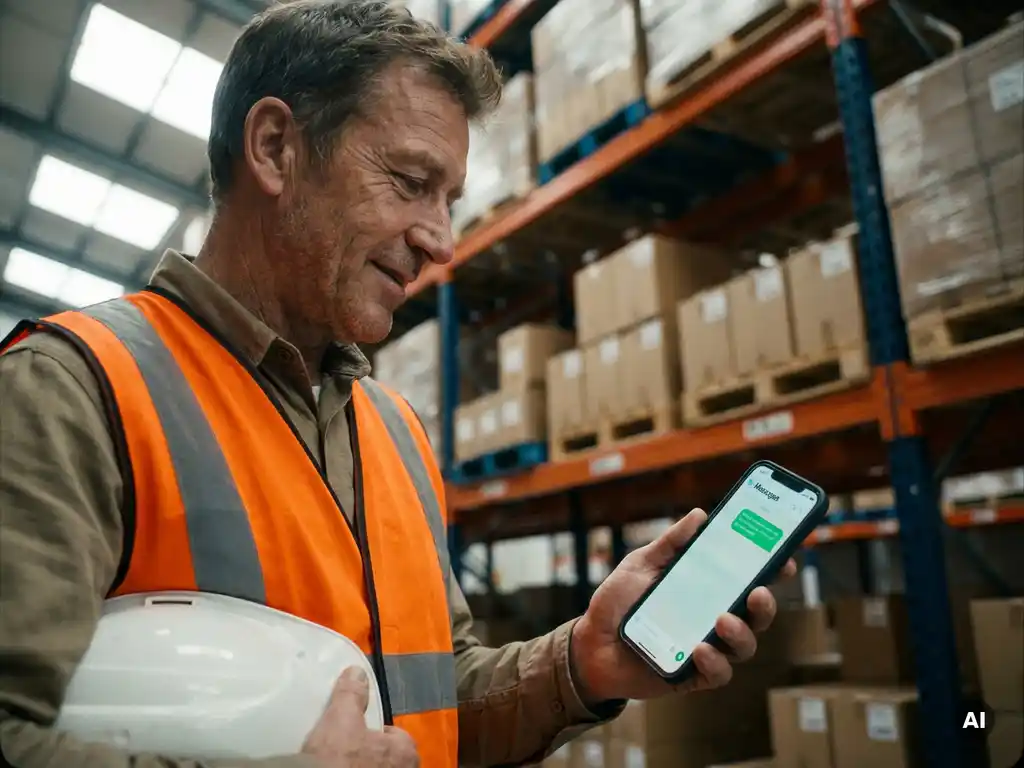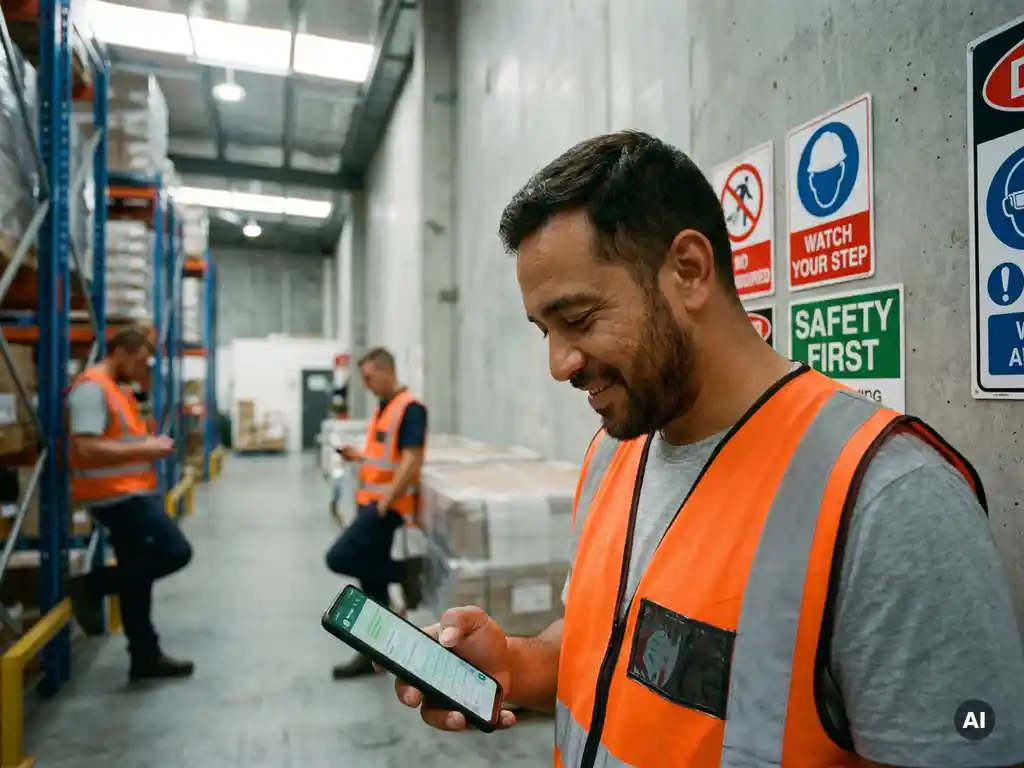


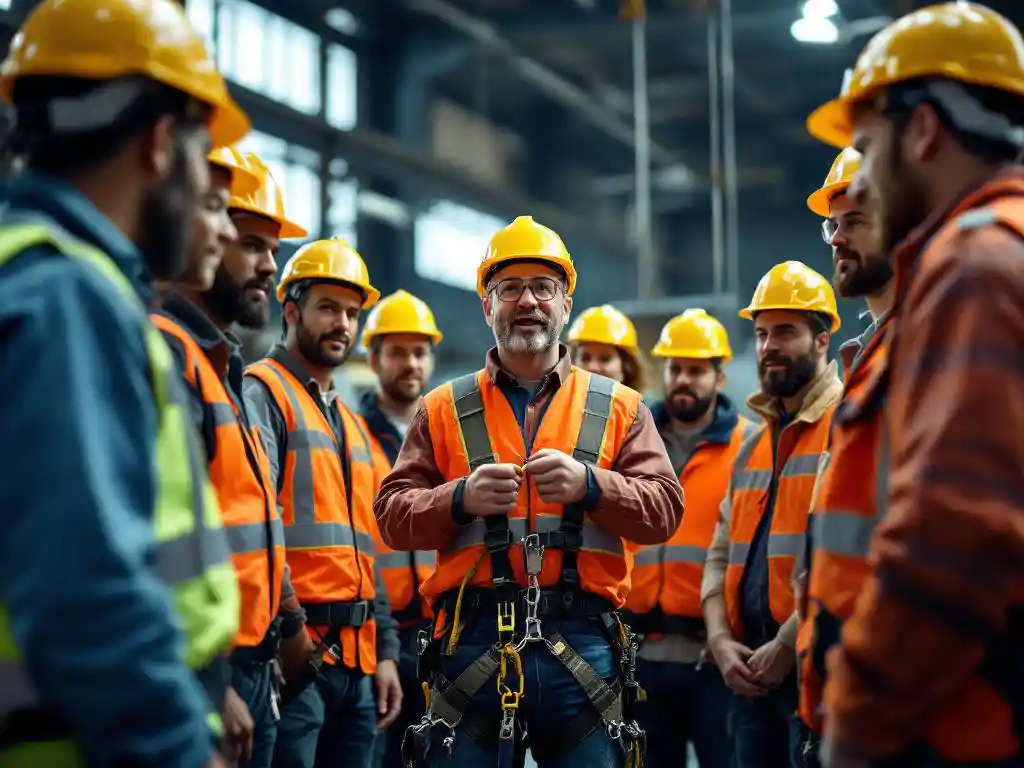
Engaging safety talks capture employees’ attention through relevant content, interactive delivery, and personal connection to workplace scenarios. Effective safety presentations use storytelling, real-world examples, and participation opportunities that make safety information memorable and actionable. The most successful safety talks combine clear communication with modern delivery methods that respect employees’ time whilst addressing their specific workplace risks and concerns.
What makes employees actually pay attention during safety talks?
Employees pay attention when safety talks directly relate to their daily work environment and address real hazards they encounter. Personal relevance is the strongest psychological driver of attention, followed by interactive elements that require participation rather than passive listening.
The most effective approach involves connecting safety information to specific job roles and workplace scenarios. When employees see immediate relevance to their tasks, they naturally engage more deeply with the content. Interactive elements such as asking questions, sharing experiences, or demonstrating procedures transform passive audiences into active participants.
Timing also plays a crucial role in maintaining attention. Brief, focused sessions of 10–15 minutes work better than lengthy presentations. Starting with a compelling story or recent incident (handled sensitively) creates immediate engagement. Visual aids, props, and demonstrations appeal to different learning styles whilst breaking up verbal information.
Creating psychological safety encourages participation. When employees feel comfortable asking questions or sharing concerns without fear of blame, engagement increases significantly. This requires establishing trust and demonstrating that safety talks aim to protect rather than criticise.
How do you make safety information stick with your team?
Safety information sticks when it is delivered through storytelling techniques, visual reinforcement, and spaced repetition. Memory retention improves dramatically when abstract safety rules are connected to concrete scenarios and real workplace situations that employees can visualise and relate to their experience.
Storytelling transforms dry safety procedures into memorable narratives. Sharing anonymised incidents or near-miss stories helps employees understand consequences without creating fear. The human brain naturally remembers stories better than lists of rules, making this approach highly effective for long-term retention.
Visual aids and demonstrations create multiple memory pathways. Showing proper lifting techniques, demonstrating equipment use, or displaying before-and-after photos of safety improvements helps employees remember procedures. Hands-on practice during safety talks reinforces learning through muscle memory.
Repetition strategies include revisiting key points throughout the session, following up with brief reminders, and incorporating safety messages into regular communications. Spacing these repetitions over time strengthens memory formation. Encouraging employees to teach others what they have learnt also reinforces their own understanding.
Connecting new information to existing knowledge makes it more memorable. Relating new safety procedures to familiar processes or explaining the reasoning behind safety rules helps employees integrate information into their existing mental frameworks.
What are the most effective formats for workplace safety talks?
The most effective safety talk formats include toolbox talks for quick daily reminders, interactive workshops for complex topics, scenario-based discussions for problem-solving, and digital presentations for consistent delivery. Each format serves different purposes and works best in specific situations.
Toolbox talks are brief, focused sessions lasting 5–10 minutes that address single safety topics. They work excellently for daily or weekly safety reminders, seasonal hazards, or addressing immediate concerns. Their strength lies in frequency and relevance to current work activities.
Interactive workshops suit complex safety training requiring hands-on practice. These longer sessions allow for equipment demonstrations, skill development, and detailed discussion of procedures. They are ideal for new employee onboarding or introducing new safety protocols.
Scenario-based discussions engage teams in problem-solving around realistic workplace situations. Presenting “what would you do if…” scenarios encourages critical thinking and helps employees prepare for unexpected situations. This format works particularly well for experienced teams.
Digital presentations ensure consistent message delivery across multiple teams or locations. They are efficient for organisations with distributed workforces and allow for standardised content whilst maintaining flexibility for local adaptation. Platforms that support clear work instructions make this process even more effective.
Hybrid approaches combining multiple formats often prove most effective. Starting with a brief presentation, followed by scenario discussion and ending with hands-on demonstration maximises engagement and learning retention.
Why do traditional safety meetings fail to engage employees?
Traditional safety meetings fail because they rely on one-way communication, generic content, poor timing, and minimal employee participation. These approaches treat safety as a compliance exercise rather than a collaborative effort to protect workers, resulting in disengagement and reduced effectiveness.
One-way lectures where safety managers simply read through procedures create passive audiences. Employees quickly lose attention when they are not involved in the conversation. This traditional approach fails to address individual concerns or workplace-specific challenges.
Generic content that does not relate to specific job roles or workplace hazards feels irrelevant to employees. When safety talks cover broad topics without connecting to daily work activities, employees struggle to see practical applications and dismiss the information as theoretical.
Poor timing compounds engagement problems. Scheduling safety meetings at inconvenient times, making them too long, or holding them too infrequently reduces their impact. Employees may view these sessions as interruptions to productive work rather than valuable learning opportunities.
Lack of employee participation creates a disconnect between management and workers. When employees cannot ask questions, share experiences, or provide input, they miss opportunities to address real concerns and contribute to safety improvements.
Focusing solely on compliance rather than genuine safety culture also undermines engagement. When meetings emphasise avoiding violations rather than protecting people, they create defensive attitudes rather than collaborative safety partnerships.
How can technology improve safety talk engagement and delivery?
Technology improves safety talk engagement through mobile learning platforms, interactive apps, multimedia content, and flexible delivery methods that accommodate different learning styles and schedules. Modern digital tools make safety training more accessible, engaging, and measurable whilst reducing administrative burden.
Mobile learning platforms allow employees to access safety information anytime, anywhere. This flexibility accommodates different work schedules and enables just-in-time learning when employees encounter specific situations. Mobile delivery also supports microlearning approaches with brief, focused content, helping teams retain and maintain knowledge over time.
Interactive apps and digital tools create engaging experiences through quizzes, simulations, and gamification elements. These features increase participation and provide immediate feedback on understanding. Interactive content also appeals to different learning preferences and keeps employees actively involved.
Multimedia content, including videos, animations, and interactive demonstrations, explains complex procedures more effectively than text alone. Visual learning tools help employees understand proper techniques and remember procedures. This approach particularly benefits visual learners and complex safety procedures. For food-related environments, digital tools can also support HACCP training in a structured and consistent way.
Digital platforms enable consistent message delivery across multiple locations whilst allowing for local customisation. Organisations can maintain standardised safety content whilst adapting examples and scenarios to specific workplace environments. Regular workplace inspections can be integrated into this digital approach to keep safety standards high.
Analytics and tracking capabilities help organisations measure engagement, identify knowledge gaps, and improve safety training effectiveness. Digital platforms provide data on completion rates, quiz scores, and areas requiring additional attention.
How E-lia helps with engaging safety talks
E-lia transforms workplace safety communication by delivering engaging safety talks directly through WhatsApp, eliminating barriers like app downloads and complex logins. Our platform makes safety training accessible, immediate, and interactive whilst fitting naturally into employees’ daily communication habits.
Key benefits include:
- Instant delivery: Safety messages reach employees immediately on their familiar WhatsApp platform.
- Microlearning format: 3–6 minute modules maintain attention and fit busy work schedules.
- Interactive content: Engaging safety talks with multimedia, quizzes, and scenarios.
- Multilingual support: Automatic translations ensure all employees receive safety information in their preferred language.
- Progress tracking: Dashboard monitoring shows engagement levels and completion rates.
- Quick creation: Build custom safety modules in 10–15 minutes or choose from standard content.
Ready to revolutionise your workplace safety communication? Book a free demo and discover how E-lia can help you create engaging safety talks that employees actually pay attention to and remember.
Frequently Asked Questions
How often should we conduct safety talks to maintain employee engagement?
The optimal frequency is weekly toolbox talks (5-10 minutes) combined with monthly interactive workshops (20-30 minutes). Daily brief safety moments work well for high-risk industries, while quarterly comprehensive sessions can address complex topics. The key is consistency and relevance rather than overwhelming employees with too frequent lengthy sessions.
What should I do if employees seem disengaged or resistant during safety talks?
Start by asking employees directly what safety topics concern them most and incorporate their feedback into future sessions. Use the u0022parking lotu0022 technique to address questions later, create small group discussions instead of large presentations, and share positive safety outcomes rather than focusing only on incidents. Building trust takes time, so be patient and consistent.
How can I measure whether our safety talks are actually effective?
Track both engagement metrics (attendance, participation, questions asked) and outcome metrics (incident rates, near-miss reporting, safety behaviour observations). Conduct brief surveys after sessions asking what employees found most valuable, and follow up weeks later to see what they remember. Improved safety performance and increased voluntary safety reporting indicate effective communication.
What's the best way to handle safety talks for multilingual workforces?
Use visual aids and demonstrations that transcend language barriers, provide key materials in workers’ native languages, and consider bilingual team leaders as translators. Digital platforms with automatic translation capabilities can help ensure consistent messaging. Always verify understanding through questions and hands-on demonstrations rather than assuming comprehension.
How do I adapt safety talks for different generations of workers?
Combine traditional methods (verbal instruction, printed materials) with modern approaches (digital content, interactive apps). Experienced workers often prefer scenario-based discussions drawing on their knowledge, while younger workers may engage more with gamified or tech-enabled content. Use mixed-format sessions that incorporate multiple learning styles and encourage cross-generational knowledge sharing.
What are common mistakes that make safety talks ineffective?
The biggest mistakes include reading directly from scripts, using outdated or irrelevant examples, scheduling talks at poor times (end of shift, during breaks), and focusing on blame rather than prevention. Avoid overwhelming employees with too much information at once, neglecting to follow up on previous topics, and failing to connect safety rules to actual workplace hazards employees face daily.
How can I get management buy-in for more engaging safety talk approaches?
Present data showing the correlation between engagement and safety outcomes, propose pilot programmes with measurable goals, and calculate the ROI of preventing incidents versus training costs. Share success stories from similar organisations and emphasise how engaging safety talks can reduce compliance risks whilst improving workplace culture. Start small with one department to demonstrate results before expanding.
Related Articles
- How do you turn safety communication into a continuous process instead of a monthly obligation?
- How do you digitalise recurring safety moments in the workplace?
- How long does an HACCP training typically take?
- Which sectors use toolbox meetings the most?
- What registration is required for toolbox meetings?