

Making PPE instructions workplace-specific during toolbox talks requires understanding industry hazards, conducting thorough risk assessments, and tailoring communication to your workforce. Effective safety training addresses the unique protective equipment needs of each environment whilst ensuring all workers understand proper usage protocols. This comprehensive approach covers industry-specific requirements, hazard identification, communication strategies, and training adaptation techniques.
What are the key differences in PPE requirements across different industries?
PPE requirements vary dramatically between industries based on specific hazards, regulatory standards, and environmental conditions. Construction sites prioritise hard hats, high-visibility clothing, and fall protection, whilst healthcare facilities focus on gloves, masks, and protective gowns to prevent contamination.
Manufacturing environments typically require safety glasses, steel-toed boots, and hearing protection due to machinery hazards and noise exposure. Chemical processing facilities mandate specialised suits, respirators, and chemical-resistant gloves to protect against toxic substances. Each industry follows specific regulatory frameworks – the Construction (Design and Management) Regulations for construction, and COSHH for chemical handling.
Understanding these distinctions helps safety managers develop targeted toolbox talks that address relevant risks. Construction workers need different protective equipment than laboratory technicians, and your safety communication should reflect these workplace-specific needs. Consider environmental factors like temperature extremes, confined spaces, or electrical hazards when determining appropriate personal protective equipment for your industry. Learn more about structuring effective sessions on the E-lia toolbox talks page.
How do you identify workplace-specific hazards that determine PPE needs?
Workplace hazard identification begins with systematic risk assessment involving site walkthroughs, incident analysis, and employee feedback. Document potential dangers including physical, chemical, biological, and ergonomic hazards that could cause injury or illness without proper protection.
Start by examining your work environment during different shifts and weather conditions. Look for slip hazards, falling objects, chemical exposure points, noise levels, and temperature extremes. Review injury reports and near-miss incidents to identify patterns requiring specific protective equipment. Consult with experienced workers who understand daily operational risks.
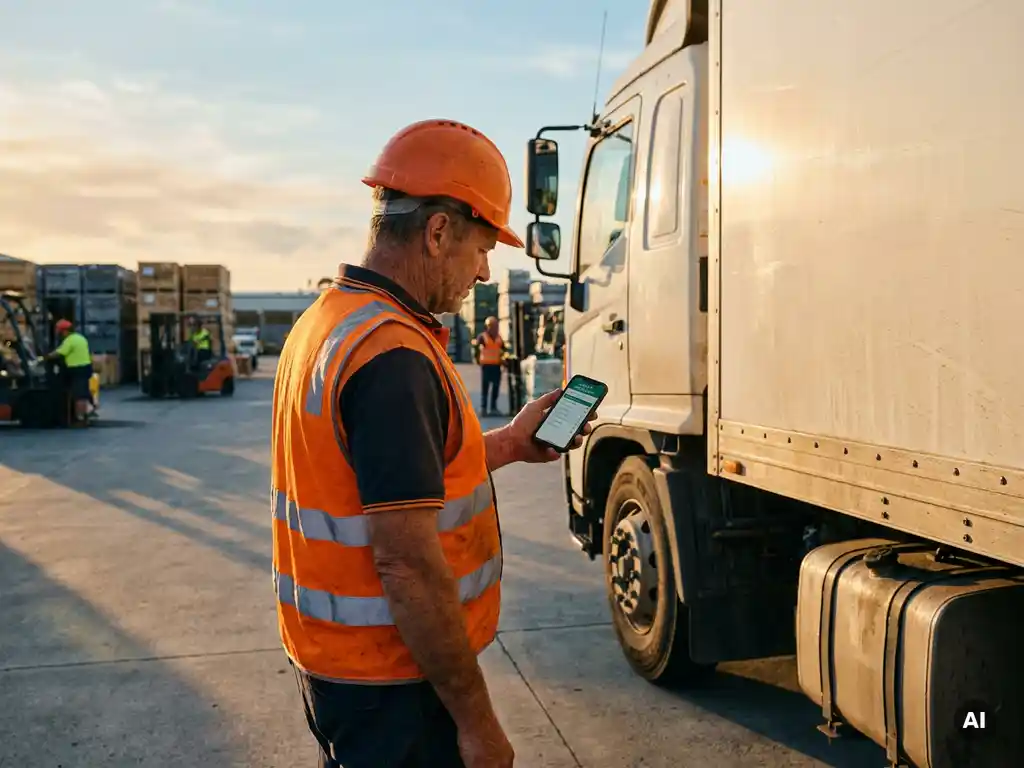
Create hazard maps linking specific dangers to required PPE. For example, welding areas need eye protection and flame-resistant clothing, whilst loading docks require high-visibility vests and steel-toed boots. This mapping process ensures your toolbox talks address real workplace risks rather than generic safety requirements. Regular reassessment keeps your hazard identification current as work processes change. Supporting this process with structured workplace inspections helps ensure nothing is overlooked.
What’s the most effective way to communicate PPE instructions during toolbox talks?
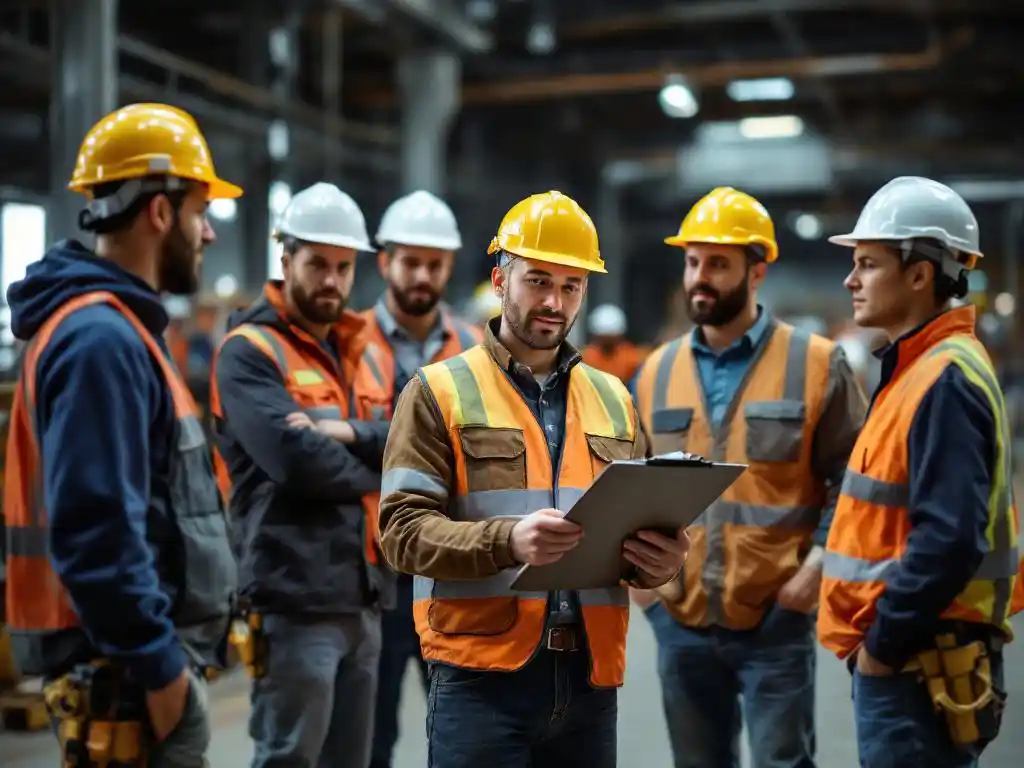
Effective PPE communication combines visual demonstrations, clear explanations, and interactive elements that ensure worker understanding and retention. Use actual equipment during presentations, showing proper donning and doffing procedures whilst explaining why each piece protects against specific hazards.
Structure your toolbox talks around the “why, what, when, and how” of personal protective equipment. Explain why specific PPE prevents injuries, what equipment is required for different tasks, when to use it, and how to properly wear and maintain it. Visual aids like photos of correct versus incorrect usage help reinforce key points.
Encourage questions and hands-on practice during safety training sessions. Allow workers to handle equipment and practise putting it on correctly. Use real workplace scenarios to demonstrate PPE selection – “When you’re working near the conveyor belt, you’ll need…” This practical approach makes safety protocols more memorable and applicable to daily work situations. Explore how digital work instructions can further support consistent PPE communication on the shop floor.
How do you adapt PPE training for workers with different experience levels?
PPE training adaptation requires assessing individual knowledge levels and customising instruction delivery accordingly. New employees need comprehensive foundational training covering basic safety principles, whilst experienced workers benefit from refreshers focusing on updates, proper maintenance, and hazard recognition skills.
For new workers, provide step-by-step guidance covering equipment selection, proper fit, maintenance requirements, and replacement schedules. Use mentorship programmes pairing newcomers with experienced colleagues who can reinforce safety protocols during daily work. A well-structured onboarding programme ensures new employees receive the right PPE instruction from day one. Create checklists helping new employees remember essential PPE for different tasks.
Experienced workers often need training updates when introducing new equipment or addressing complacency issues. Focus on advanced topics like recognising equipment degradation, understanding regulatory changes, or adapting to new workplace hazards. Use their experience by encouraging them to share safety insights during toolbox talks, creating peer-to-peer learning opportunities that benefit the entire team. Platforms designed to retain and maintain knowledge make it easier to keep safety understanding sharp over time.
How E-lia Supports Workplace-Specific PPE Instructions
E-lia’s WhatsApp-based microlearning platform transforms workplace-specific PPE instructions by providing direct access to tailored safety training modules – no login required. The platform enables safety managers to create targeted content addressing industry-specific risks and equipment requirements.
Key benefits include:
- Fast module creation – Build PPE training content covering workplace-specific risks in just 10–15 minutes
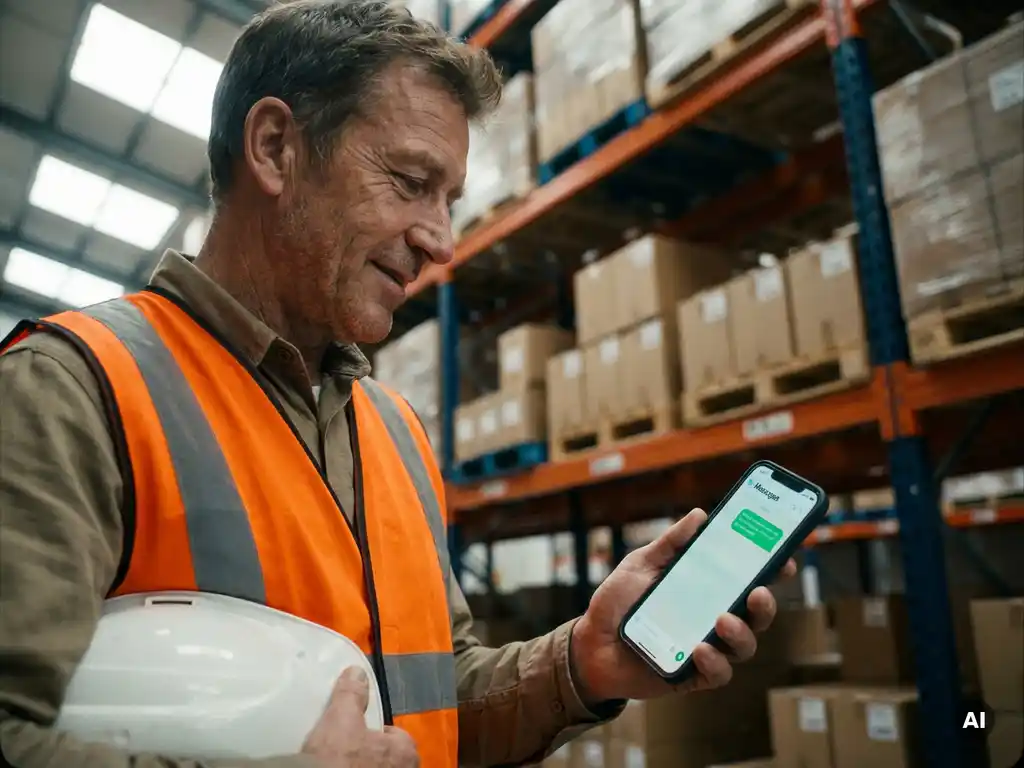
- Instant deployment – Send safety instructions directly to employees’ phones via WhatsApp
- Multilingual support – Deliver PPE training in employees’ native language for improved comprehension
- Progress tracking – Monitor completion rates and identify employees who require additional safety training
- Visual integration – Include photos and videos demonstrating correct PPE usage in your specific work environment
Transform your workplace safety communication with E-lia’s microlearning approach. Discover how WhatsApp-based PPE training can improve safety compliance and reduce workplace incidents within your organisation by booking a free demo. You can also explore how E-lia supports HACCP training for food safety environments.
Frequently Asked Questions
How often should we update workplace-specific PPE requirements?
Review PPE requirements annually or when work processes change significantly. Conduct assessments after introducing new equipment, chemicals, or following workplace incidents that reveal protection gaps.
What's the best approach when workers resist wearing required PPE?
Address resistance through hazard education and involve workers in equipment selection. Ensure proper fit and comfort whilst implementing clear enforcement policies to maintain safety compliance.
How do we handle different PPE needs across various work areas?
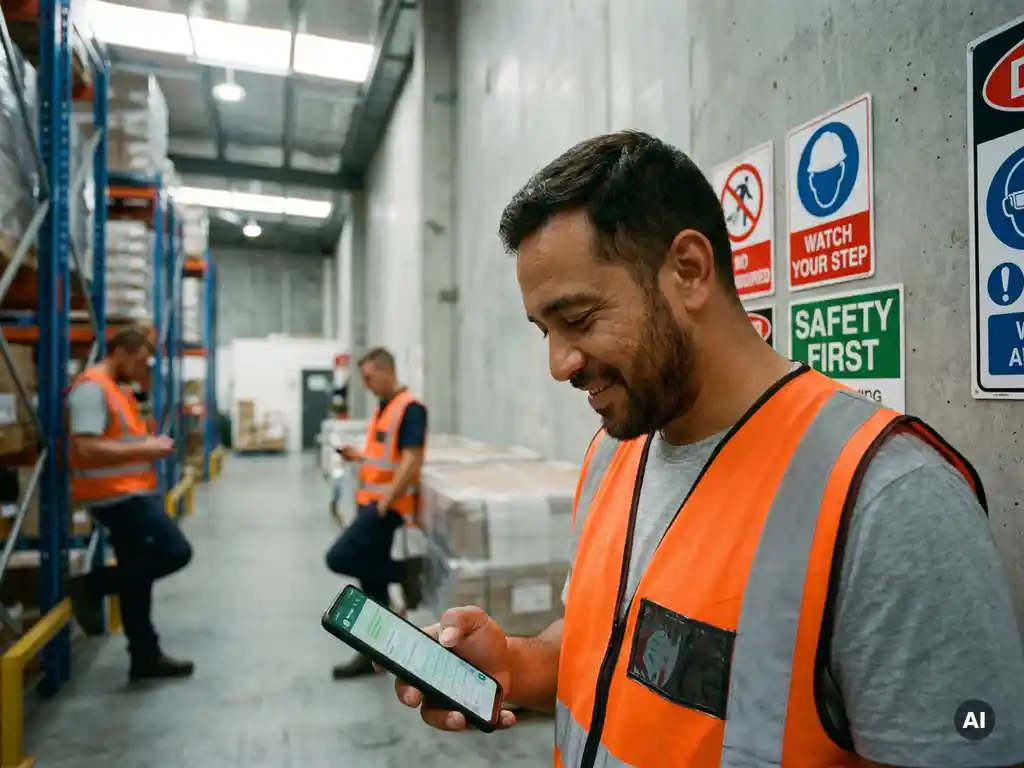
Develop zone-based protocols with clear signage for each area’s requirements. Provide accessible PPE stations at boundaries and train workers to assess hazards when moving between zones.
What are common mistakes in workplace-specific PPE programs?
Common errors include generic training instead of workplace-specific instruction, poor equipment selection, inadequate maintenance programmes, and inconsistent enforcement that reduces overall safety effectiveness.