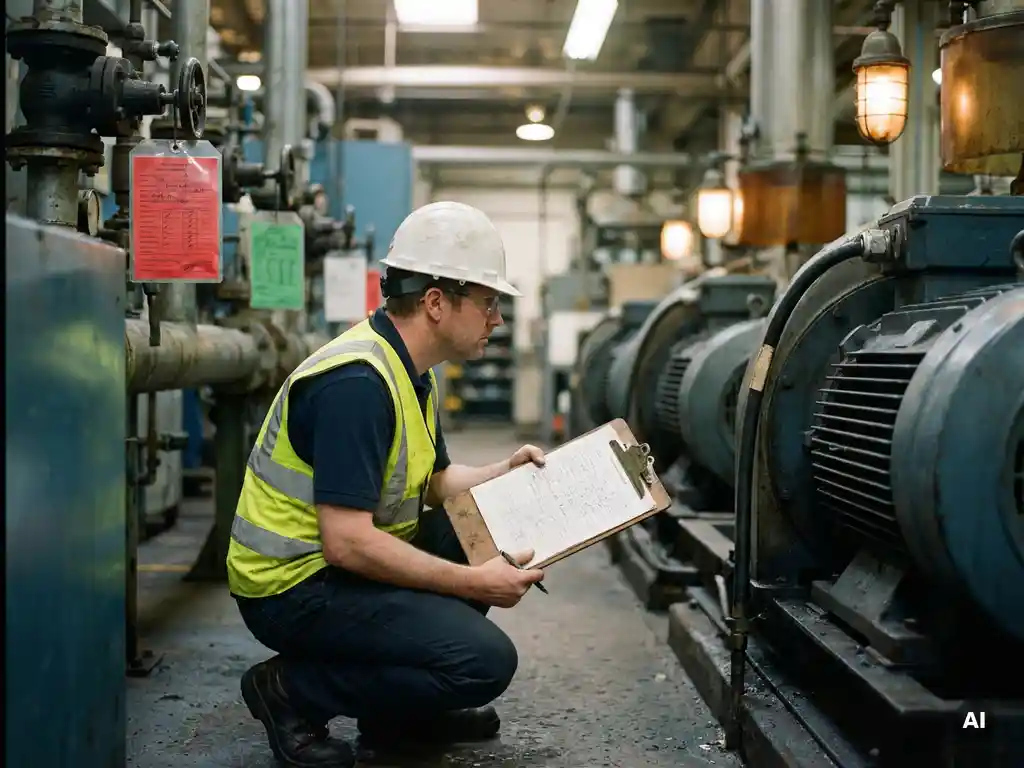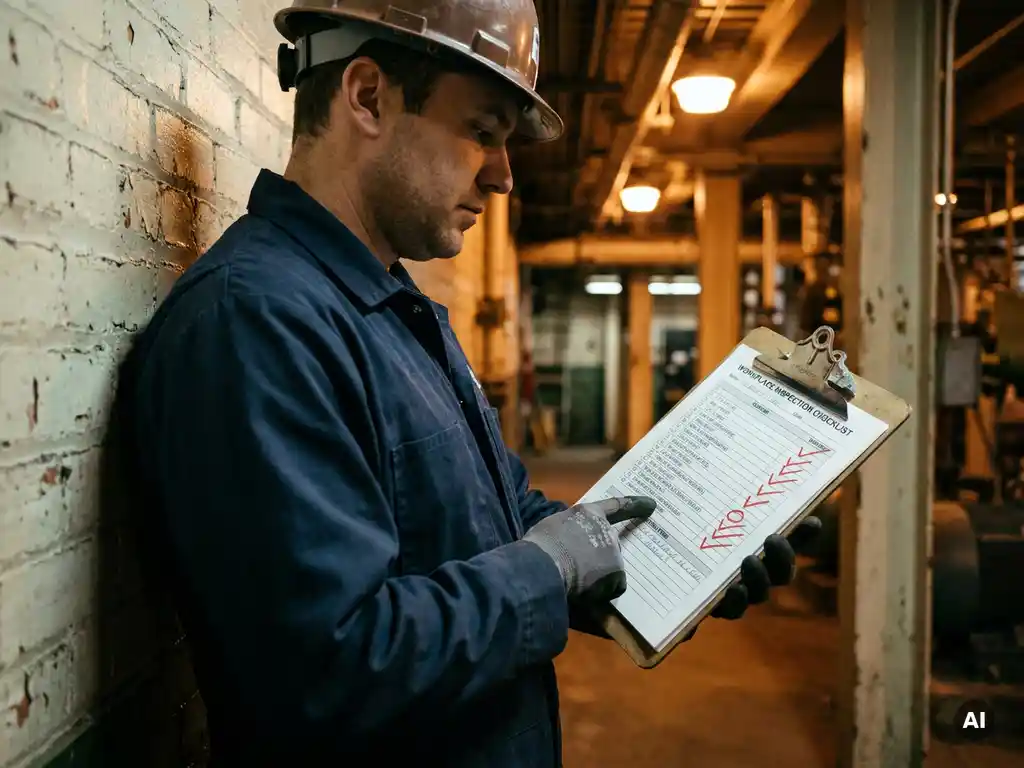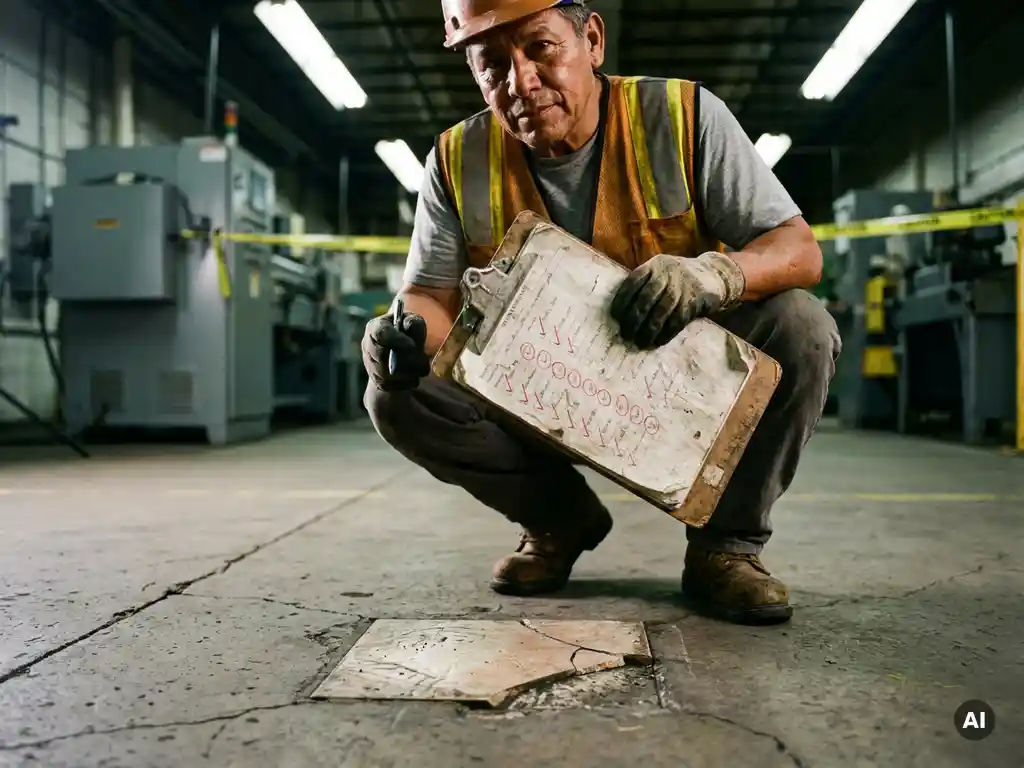


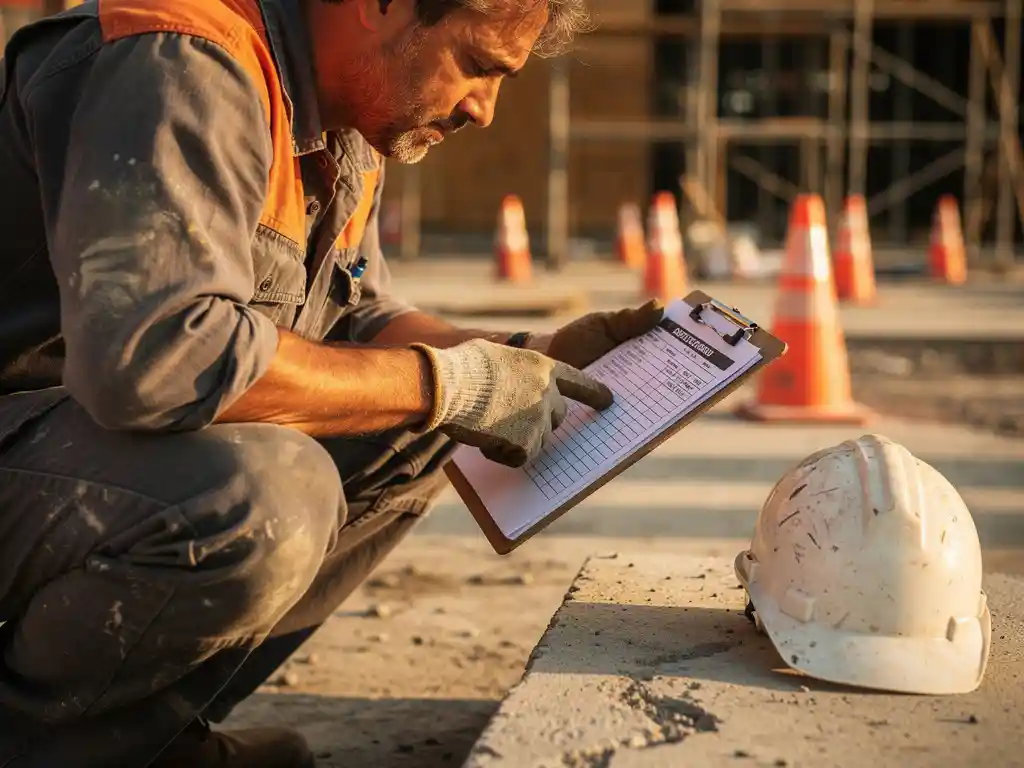
A workplace inspection form for construction should include sections covering site identification details, hazard identification across all work zones, equipment and machinery checks, PPE compliance, emergency procedures, and corrective action records. These core elements ensure that every inspection captures a complete picture of site safety. The sections below walk through each component in detail, from what to include to who is responsible and how often inspections should take place.
Whether you are setting up a new construction site inspection process or refining an existing one, having a structured form is the foundation of a safe and compliant worksite.
What are the essential sections of a construction inspection form?
A construction inspection form should include site identification, the date and time of inspection, inspector details, hazard observations, equipment status, PPE compliance checks, emergency readiness, and a corrective action log. Each section serves a distinct purpose, and together they create a legally defensible record of site safety activity.
Here is a breakdown of the essential sections every construction site inspection checklist should contain:
- Site identification: Project name, location, contractor details, and permit numbers
- Inspector information: Name, role, qualifications, and signature
- Date, time, and weather conditions: Environmental factors directly affect risk levels
- Work zones and activities: Which areas and tasks were active during the inspection
- Hazard observations: Documented risks with severity ratings and photos where possible
- Equipment and machinery checks: Condition, certification status, and any defects noted
- PPE compliance: Whether workers are wearing the correct protective equipment
- Emergency procedures: Accessibility of first aid, fire equipment, and evacuation routes
- Corrective actions: What needs fixing, who is responsible, and the deadline
A well-designed safety inspection form for construction does not just flag problems. It creates accountability by assigning follow-up actions to named individuals with clear timelines.
What safety hazards should a construction inspection form cover?
A construction inspection form should cover falls from height, struck-by hazards, electrical risks, excavation and trench hazards, manual handling risks, hazardous substances, noise and vibration exposure, and fire risks. These categories represent the most common causes of serious injury and fatality on construction sites.
Within each category, the form should prompt inspectors to look at specific conditions rather than simply ticking a box. For example, under falls from height, the checklist should ask about the condition of scaffolding, the use of edge protection, and whether harnesses are correctly fitted and attached to anchor points.
A thorough site safety checklist also covers:
- Housekeeping and waste management to prevent slips and trips
- Signage and barriers around restricted zones
- Welfare facilities including clean water and sanitation
- Proximity of overhead power lines or underground services
- Competency and supervision levels for high-risk activities
The more specific the prompts on the form, the less likely it is that a hazard will be overlooked during a busy inspection.
How does a construction inspection form differ from a general workplace inspection form?
A construction inspection form differs from a general workplace inspection form in scope, specificity, and regulatory context. Construction sites are dynamic environments where hazards change daily as work progresses, which means the form must be designed to reflect temporary structures, changing access routes, and high-risk activities that do not exist in a fixed workplace.
A general workplace inspection form typically covers static risks such as electrical outlets, trip hazards, fire exits, and ergonomic workstations. These conditions remain relatively stable over time. A construction site inspection checklist, by contrast, must account for:
- Temporary works such as scaffolding, hoarding, and shoring
- Heavy plant and machinery operating in close proximity to workers
- Excavations that change depth and stability day by day
- Changing access routes as the build progresses
- Multiple subcontractors working simultaneously in the same space
Construction inspection forms also typically reference sector-specific regulations and standards, such as those governing working at height, lifting operations, and the management of construction work. A general workplace form would not include these categories.
Who is responsible for completing a construction site inspection form?
Responsibility for completing a construction site inspection form typically falls to the site manager, safety officer, or a designated competent person appointed by the principal contractor. In practice, multiple people may conduct inspections depending on the type of check being carried out and the stage of the project.
Here is how responsibility is commonly distributed on a construction site:
- Site manager or foreman: Conducts daily or weekly general site inspections
- Health and safety officer: Leads formal safety inspections and audits
- Scaffold inspector: Completes scaffold-specific inspection forms after erection, modification, and at regular intervals
- Plant operators: Responsible for pre-use equipment checks
- Subcontractor supervisors: Inspect their own work areas and report findings to the principal contractor
Regardless of who completes the form, the inspector must be competent, meaning they have the training, knowledge, and experience to identify the hazards relevant to the work being inspected. Simply handing the form to the nearest available person does not meet this requirement.
How often should workplace inspections be carried out on a construction site?
Workplace inspections on a construction site should be carried out daily for high-risk activities and areas, weekly for general site conditions, and at specific trigger points such as after adverse weather, a near miss, or a significant change in site activities. The frequency depends on the level of risk and any applicable regulatory requirements.
Some inspections have legally defined intervals. Scaffolding, for example, must be inspected before first use, after any alteration, and at intervals not exceeding seven days in many jurisdictions. Excavations should be inspected at the start of each shift where workers could be exposed to risk.
As a practical guide, consider the following inspection schedule:
- Daily: Pre-use equipment checks, housekeeping, access and egress routes
- Weekly: Full site walkthrough covering all hazard categories on the inspection form
- After specific events: Adverse weather, accidents, near misses, changes to site layout or activities
- At project milestones: Before new phases begin or after significant structural changes
More frequent inspections are not just about compliance. They build a culture where safety is treated as an ongoing priority rather than a periodic obligation.
What happens after a construction inspection form is completed?
After a construction inspection form is completed, the findings must be reviewed, prioritised by risk level, and communicated to the relevant people on site. Any hazards identified should be assigned to a named person for corrective action, with a clear deadline and a follow-up check to confirm the issue has been resolved.
The process after an inspection typically follows these steps:
- Review and sign off: The completed form is reviewed by the site manager or safety officer
- Prioritise findings: Hazards are ranked by severity, with immediate dangers addressed before work continues
- Assign corrective actions: Each issue is allocated to a specific person with a resolution deadline
- Communicate findings: Relevant workers, supervisors, and subcontractors are briefed on what was found and what is being done
- Follow up: A re-inspection confirms that corrective actions have been completed effectively
- Record keeping: Completed forms are stored securely as part of the project’s safety documentation
Inspection records serve as important evidence in the event of an accident, a regulatory visit, or a legal dispute. They demonstrate that the duty holder took a proactive approach to identifying and managing risk. Treating the form as a living document rather than a box-ticking exercise is what makes the difference between a safe site and a reactive one.
How E-Lia helps with construction site safety training
Completing a construction inspection form is only effective when the people on site understand what they are looking for and why it matters. That is where we come in. At E-Lia, we make it straightforward to train construction workers, supervisors, and safety officers on inspection procedures, hazard recognition, and corrective action processes, all via WhatsApp, with no app to download and no login required.
Here is what we offer for construction safety training:
- Microlearning modules on inspection procedures: Short, focused lessons that workers complete in 3 to 6 minutes, covering exactly what to look for on a construction site safety checklist. Learn more about our approach to workplace inspections and toolbox talks.
- Multilingual support: Automatic translations so every worker receives training in their own language, reducing miscommunication on multilingual sites
- Scheduled delivery: Send inspection reminders and training updates at the right moment, such as at the start of a new project phase or after a site incident. This works seamlessly alongside our onboarding and work instructions modules.
- Progress tracking: A simple dashboard lets managers see who has completed which modules, so nothing falls through the cracks. Our retain and maintain knowledge tools keep safety awareness high long after initial training.
- Fast module creation: Building a new training module takes an average of 10 to 15 minutes, making it easy to respond quickly when procedures change. We also offer dedicated HACCP training for sites with food safety requirements.
When your team knows what a thorough workplace inspection form for construction looks like in practice, inspections become more consistent, hazards get caught earlier, and your site safety culture strengthens over time. Want to see how it works? Book a demo and we will walk you through the platform.
Frequently Asked Questions
Can I use a digital construction inspection form instead of a paper one?
Yes, and in most cases a digital form is preferable. Digital inspection forms allow you to attach photos directly to hazard observations, automatically timestamp entries, and store records securely without the risk of lost paperwork. Many teams use mobile-friendly tools or even WhatsApp-based platforms to complete and distribute inspection records in real time, which speeds up the corrective action process considerably.
What should I do if a worker refuses to comply with PPE requirements identified during an inspection?
Non-compliance should be documented on the inspection form and escalated immediately to the site manager or safety officer. The worker should be removed from the hazardous area until compliant, and the incident should be recorded as part of the site’s safety documentation. Repeated non-compliance may require formal disciplinary action and should trigger a review of how PPE requirements are being communicated and enforced across the site.
How do I make sure corrective actions from inspections are actually followed up on?
Assign every corrective action to a named individual with a specific deadline, and schedule a re-inspection to confirm the issue has been resolved before closing it out. Using a simple tracking log, whether on a spreadsheet, a digital platform, or within the inspection form itself, ensures nothing gets forgotten. Some teams also send automated reminders to responsible parties as deadlines approach, which significantly improves close-out rates.
What is the difference between a construction site inspection and a construction site audit?
An inspection is an operational check carried out regularly to identify hazards and unsafe conditions in the physical work environment. An audit is a more formal, systematic review of whether the site’s overall safety management system, policies, procedures, and documentation are functioning effectively. Both are important, but inspections happen more frequently and focus on day-to-day conditions, while audits are typically conducted periodically by a senior safety professional or external party.
Do subcontractors need their own inspection forms, or does the principal contractor's form cover everyone?
Subcontractors are generally responsible for inspecting their own work areas and activities, particularly for specialist tasks such as electrical work, lifting operations, or confined space entry. The principal contractor’s inspection form covers the overall site, but it cannot substitute for trade-specific checks that require specialist knowledge. A clear inspection protocol should be agreed upon at the start of the project, defining who inspects what and how findings are reported back to the principal contractor.
How should inspection forms be stored, and for how long?
Inspection records should be stored securely for the duration of the project and retained for a minimum period after completion, which varies by jurisdiction but is commonly between three and ten years. Digital storage is recommended as it makes records easier to retrieve in the event of an accident investigation, regulatory visit, or legal dispute. Ensure that access is restricted to authorised personnel while still being readily available to those who need to reference or act on the findings.
How can I train new site workers quickly on what a construction inspection form covers?
Short, focused microlearning sessions are one of the most effective ways to bring new workers up to speed without taking them off site for extended periods. Training that covers hazard recognition, PPE requirements, and the corrective action process in bite-sized modules, ideally delivered via a familiar channel like WhatsApp, ensures workers understand their responsibilities from day one. Pairing this with a site induction walkthrough that references the actual inspection form used on that project reinforces the learning in a practical context.