

Training subcontractors to meet your safety requirements involves combining clear communication methods, verification systems, and ongoing monitoring. The most effective approach uses multiple communication channels, including digital platforms, visual aids, and hands-on demonstrations to ensure understanding across different skill levels and languages. Success depends on proper documentation, regular assessment, and adapting training depth to match work complexity and risk levels.
What are the most effective methods for communicating safety requirements to subcontractors?
The most effective subcontractor safety training combines multiple communication channels to accommodate different learning styles and language barriers. Digital platforms, visual demonstrations, and multilingual materials ensure comprehensive understanding across diverse teams.
Digital training platforms offer consistent delivery and tracking capabilities. These systems allow you to distribute safety requirements training modules that subcontractors can access on their own devices, eliminating scheduling conflicts and ensuring everyone receives identical information. Video-based content works particularly well for demonstrating proper safety procedures and equipment usage.
Visual communication methods bridge language gaps effectively. Safety posters, infographics, and pictorial instructions communicate critical information without relying heavily on text. Colour-coded systems for different hazard levels help workers quickly identify risk areas and required precautions.
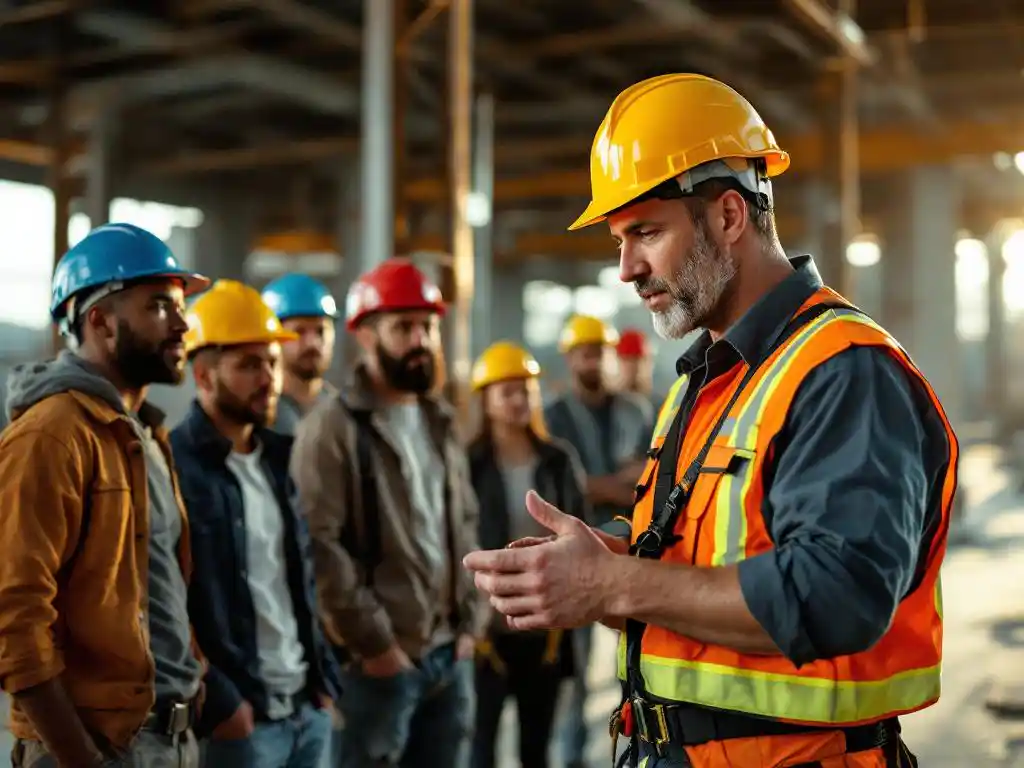
In-person training sessions remain valuable for complex procedures and hands-on equipment demonstrations. These sessions allow for immediate questions and clarification whilst providing opportunities to observe worker understanding through practical exercises. Combining digital pre-training with in-person reinforcement maximises retention and comprehension.
Toolbox talks are an excellent way to reinforce safety requirements on a regular basis. Learn more about how structured toolbox talks can keep your subcontractor teams aligned with your safety standards.
How do you ensure subcontractors actually understand and follow your safety protocols?
Verification of subcontractor safety compliance requires practical assessments, ongoing monitoring, and clear accountability measures. Testing comprehension through demonstrations and regular site observations confirms that training translates into proper workplace behaviour.
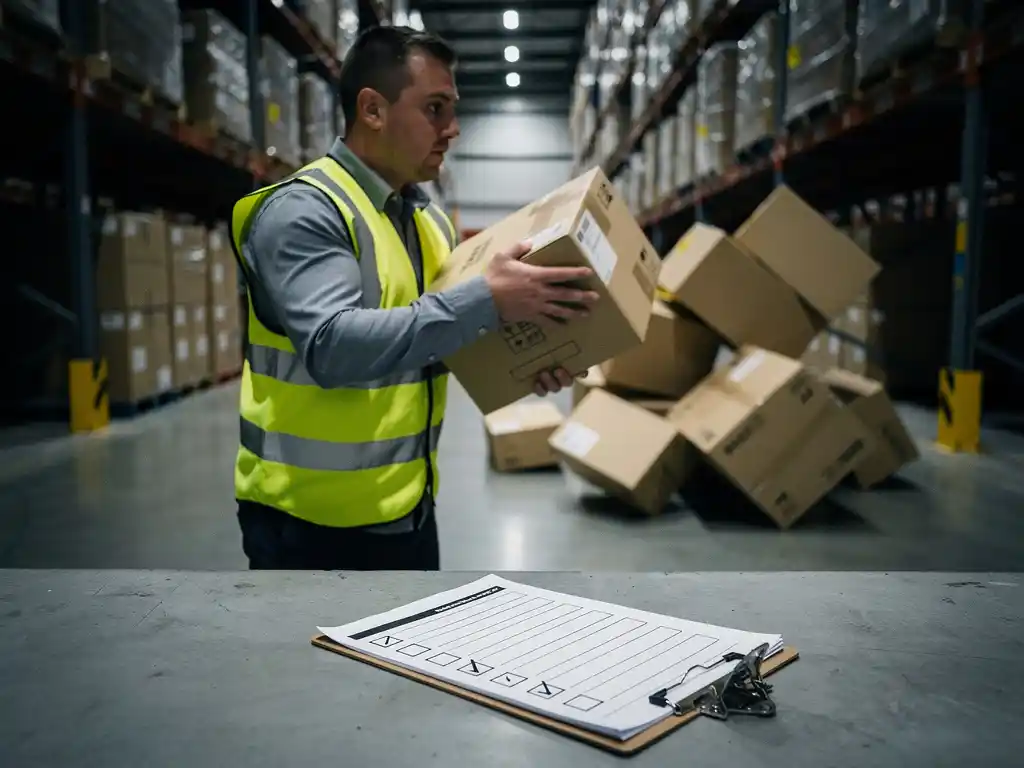
Practical demonstrations provide the most reliable verification method. Rather than relying solely on written tests, observe subcontractors performing actual safety procedures. This approach reveals gaps between theoretical knowledge and practical application, allowing for immediate correction and reinforcement.
Regular site monitoring maintains compliance standards throughout the project duration. Scheduled and random safety inspections ensure protocols are followed consistently, not just during initial training periods. Document any non-compliance incidents and require immediate corrective training. Structured workplace inspections are a proven method for maintaining consistent compliance across subcontractor teams.
Assessment techniques should match the complexity of safety requirements. Simple acknowledgement forms work for basic protocols, whilst complex procedures require step-by-step practical evaluations. Create checklists that supervisors can use to verify proper safety equipment usage and procedural adherence during routine work activities.
What’s the difference between basic safety orientation and comprehensive safety training for subcontractors?
Basic safety orientation covers general workplace hazards and emergency procedures in 1–2 hours, whilst comprehensive safety training includes job-specific protocols, equipment training, and detailed risk management procedures that may require several days to complete properly.
Basic orientation typically addresses universal safety concerns: emergency evacuation procedures, general PPE requirements, incident reporting protocols, and basic hazard recognition. This level suffices for low-risk environments or workers performing routine tasks with minimal safety exposure.
Comprehensive training becomes necessary for high-risk environments, specialised equipment operation, or complex procedures. This includes detailed hazard analysis, specific safety protocols for different work phases, advanced PPE training, and emergency response procedures tailored to particular risks.
The time investment differs significantly between approaches. Basic orientation requires minimal time commitment but provides limited depth, making it suitable for general contractors in controlled environments. Comprehensive training demands substantial time and resources but ensures thorough understanding for complex or high-risk operations.
Content scope determines which approach to use. Consider the specific hazards present, regulatory requirements for your industry, and the complexity of work being performed. High-risk activities like working at height, confined spaces, or hazardous materials handling always require comprehensive training regardless of contractor experience. A well-structured onboarding programme ensures that every subcontractor receives the right level of training from day one.
How do you handle safety training for multilingual subcontractor teams?
Multilingual subcontractor safety training requires translated materials, visual communication methods, and culturally appropriate delivery to ensure every team member understands critical safety information regardless of their primary language or literacy level.
Professional translation services ensure accuracy for critical safety information. Automated translation tools may miss important nuances in safety terminology that could lead to dangerous misunderstandings. Invest in proper translation for essential safety documents and training materials, particularly for high-risk procedures.
Visual communication methods reduce language dependency whilst maintaining safety effectiveness. Use pictorial instructions, colour-coded systems, and demonstration videos with minimal text. International safety symbols and standardised visual cues help communicate hazards and required actions across language barriers.
Cultural considerations affect how safety information is received and implemented. Some cultures may have different attitudes towards authority, risk tolerance, or communication styles. Adapt your training approach to respect these differences whilst maintaining non-negotiable safety standards.
Multilingual supervisors or interpreters can bridge communication gaps during training sessions and ongoing work. Having someone available who can clarify safety requirements in workers’ native languages ensures understanding and provides a resource for questions that arise during actual work activities. Investing in tools that help retain and maintain knowledge is especially important for multilingual teams where information can easily be lost in translation.
What documentation and tracking systems work best for subcontractor safety training?
Effective contractor safety compliance documentation combines digital tracking systems, certification records, and progress monitoring to maintain legal compliance whilst providing operational oversight of training completion and ongoing competency verification.
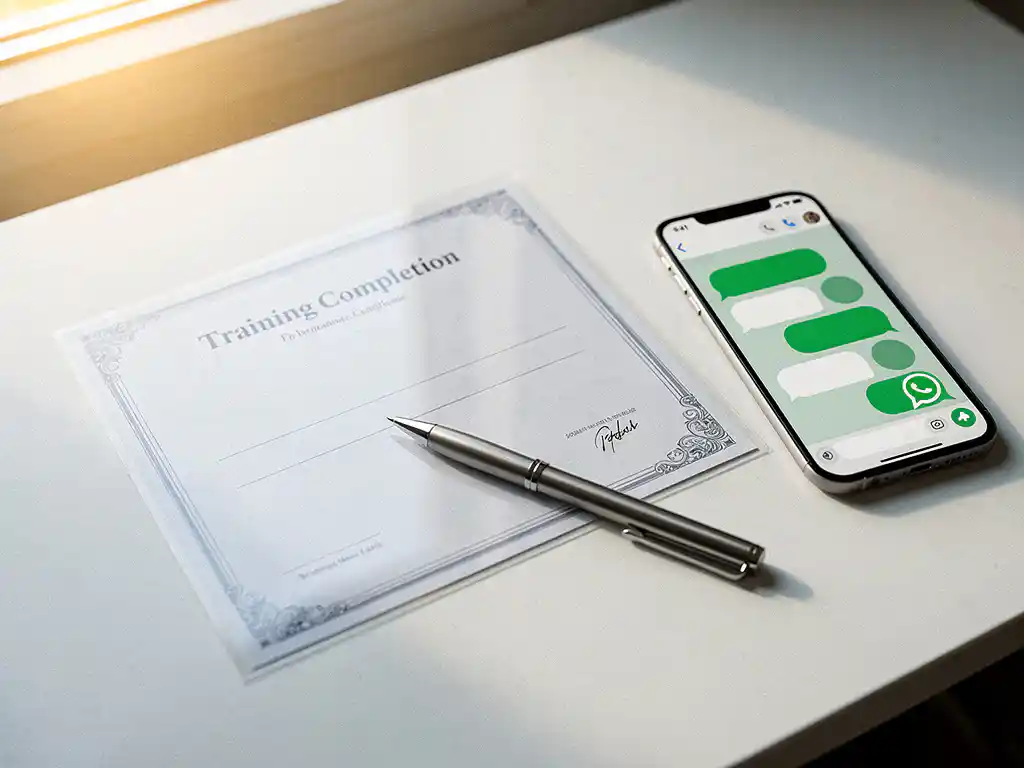
Digital tracking systems centralise training records and automate compliance monitoring. These platforms track completion dates, assessment scores, and certification renewals whilst sending automated reminders for required refresher training. Cloud-based systems allow access from multiple locations and integrate with project management tools.
Certification management ensures qualifications remain current and appropriate for assigned work. Maintain records of safety certifications, training completion certificates, and competency assessments. Track expiration dates and renewal requirements to prevent unqualified workers from accessing work sites.
Legal compliance documentation protects your organisation whilst demonstrating due diligence in safety training. Keep detailed records of training content, attendance, assessment results, and any remedial training provided. These records prove compliance during inspections and provide evidence of proper safety management.
Progress tracking identifies training effectiveness and areas needing improvement. Monitor completion rates, assessment scores, and incident correlations to refine your training programme. Regular reporting helps identify subcontractors requiring additional support or training reinforcement. Clear work instructions paired with strong documentation systems ensure that safety standards are consistently applied and easy to verify.
How e-lia helps with subcontractor safety training
E-Lia transforms subcontractor safety training by delivering microlearning modules through WhatsApp, eliminating traditional barriers like app downloads, login requirements, and complex systems that often prevent effective training delivery to diverse contractor teams.
Our platform addresses key subcontractor training challenges through:
- Instant accessibility – Safety training delivered directly through WhatsApp without requiring new apps or login credentials
- Multilingual support – Automatic translation capabilities ensure safety information reaches every worker in their preferred language
- Flexible delivery – Send training modules immediately for urgent safety updates or schedule them for systematic onboarding programmes
- Progress tracking – Real-time monitoring of completion rates and comprehension through an intuitive dashboard
- Quick deployment – Create safety training modules in 10–15 minutes, with workers completing them in 3–6 minutes
The platform particularly excels in sectors like construction, manufacturing, and logistics, where subcontractor safety training often faces challenges with diverse workforces, varying literacy levels, and time constraints. E-Lia makes contractor onboarding safety training both comprehensive and accessible. For food production and catering environments, our dedicated HACCP training module ensures that subcontractors working in these settings meet the required food safety standards.
Ready to streamline your subcontractor safety training? Book a free demo to discover how WhatsApp-based microlearning can transform your safety training delivery and compliance tracking.
Frequently Asked Questions
How often should subcontractor safety training be refreshed or updated?
Safety training should be refreshed annually at minimum, with immediate updates when new hazards are introduced or regulations change. High-risk activities may require quarterly refreshers, while incident-triggered retraining should occur whenever safety violations or near-misses happen. Track certification expiration dates and schedule refreshers 30-60 days before they expire to maintain continuous compliance.
What should I do if a subcontractor fails their safety assessment?
Immediately remove the subcontractor from work activities until they complete remedial training and pass reassessment. Provide additional one-on-one coaching focusing on failed areas, then conduct a practical demonstration test. Document the failure, remedial training provided, and successful completion. Consider whether the subcontractor needs more comprehensive training or if they’re suitable for the assigned work complexity.
How can I verify that subcontractors are maintaining safety standards when I'm not on-site?
Implement random safety audits, require photo documentation of safety setups, and use digital check-in systems where workers confirm safety protocols before starting work. Install temporary cameras in high-risk areas, conduct surprise visits, and establish peer accountability systems where team leaders report on safety compliance. Create daily safety checklists that must be completed and submitted digitally.
What's the best way to handle safety training for short-term or one-day subcontractors?
Develop a condensed safety orientation covering immediate hazards and emergency procedures that can be completed in 15-30 minutes. Focus on critical risks specific to their work area and required PPE. Use visual aids and quick demonstrations rather than lengthy presentations. Assign them a safety buddy from your regular crew and restrict them to lower-risk activities until they demonstrate competency.
How do I balance thorough safety training with tight project deadlines?
Start safety training before subcontractors arrive on-site using digital platforms for pre-work modules. Integrate safety training into work activities rather than treating it as separate time blocks. Use microlearning approaches that deliver essential information in short, focused sessions. Plan training during natural work breaks or weather delays, and consider paying for training time to ensure subcontractors prioritise attendance.
What legal liability do I have if a subcontractor gets injured despite receiving safety training?
Your liability depends on the adequacy of training provided and compliance with local regulations. Maintain detailed documentation of all training delivered, assessments completed, and safety equipment provided. Ensure training meets or exceeds industry standards and regulatory requirements. Consult with legal counsel about your specific jurisdiction’s requirements, as liability varies significantly between locations and contract structures.
How can I measure the ROI of investing in comprehensive subcontractor safety training?
Track metrics including incident reduction rates, insurance premium changes, project delays due to safety issues, and worker compensation claims. Calculate costs of comprehensive training versus basic orientation, then compare against avoided incident costs, reduced insurance premiums, and improved project efficiency. Most organisations see positive ROI within 6-12 months through reduced incidents and improved productivity from confident, well-trained workers.