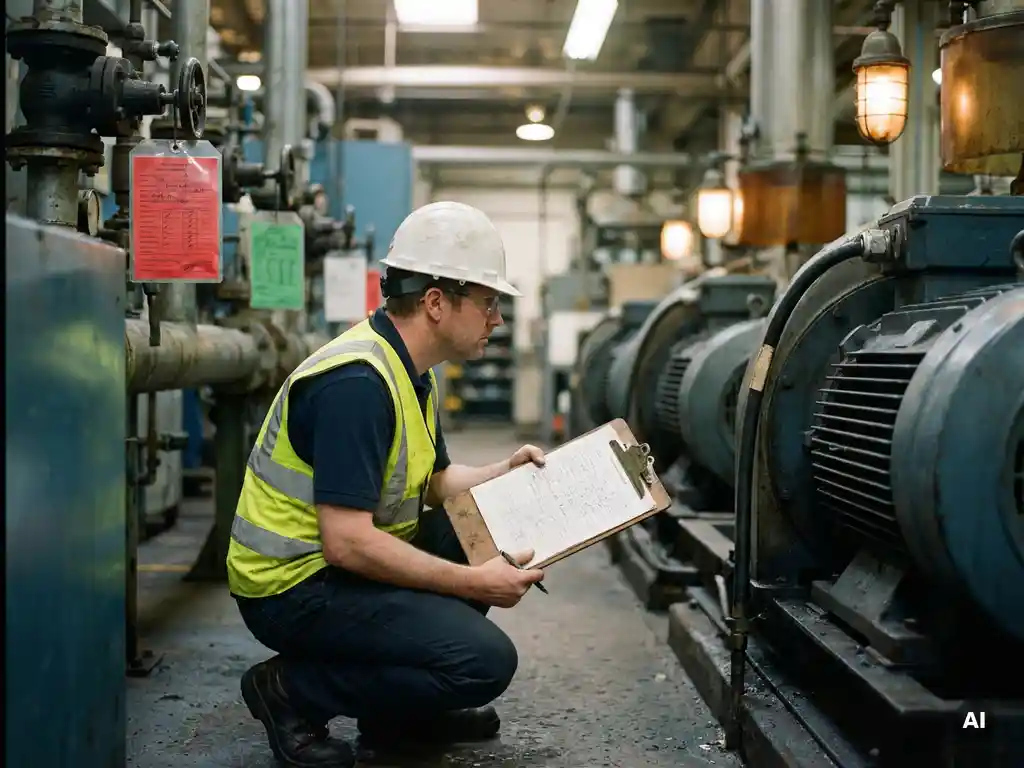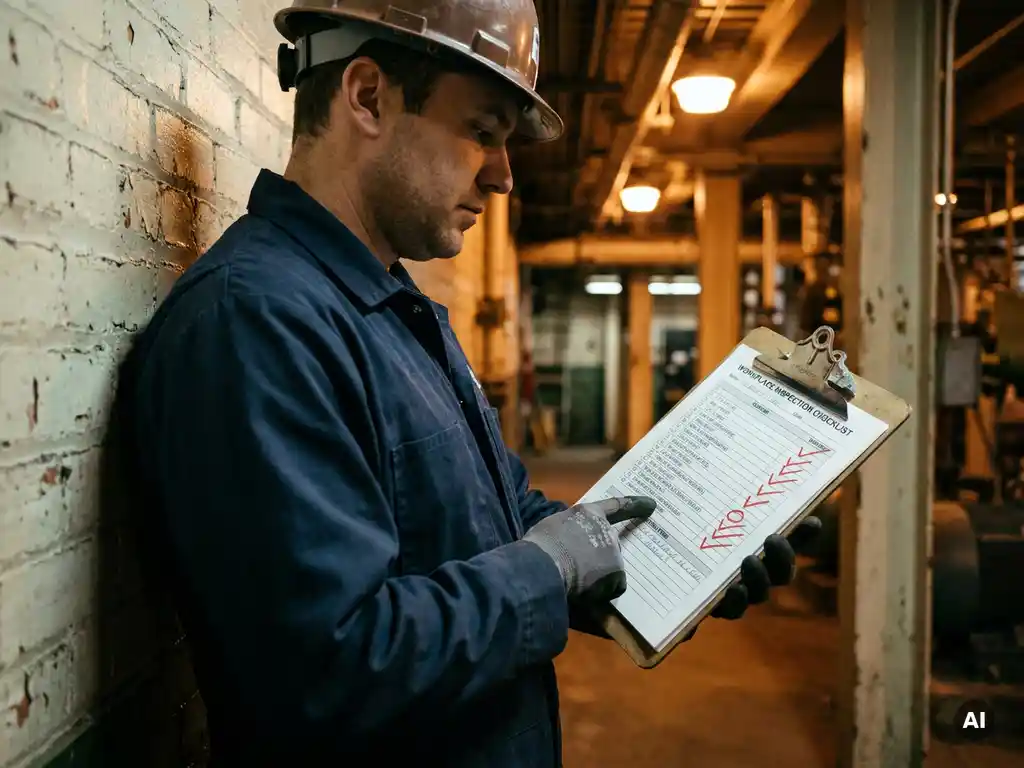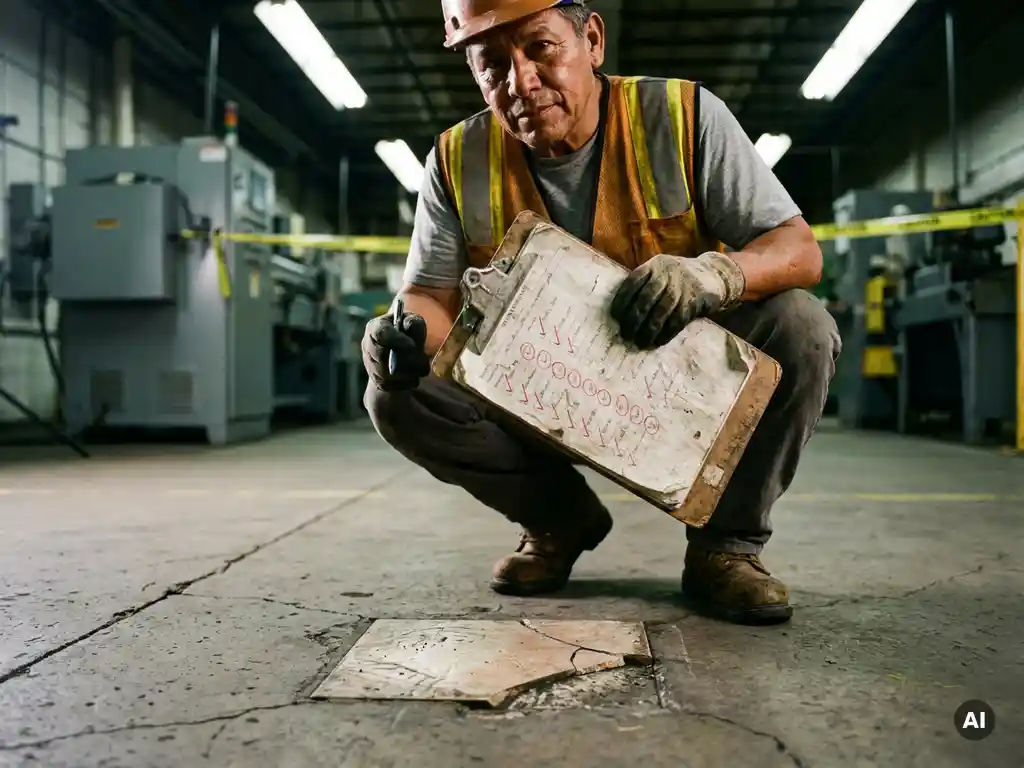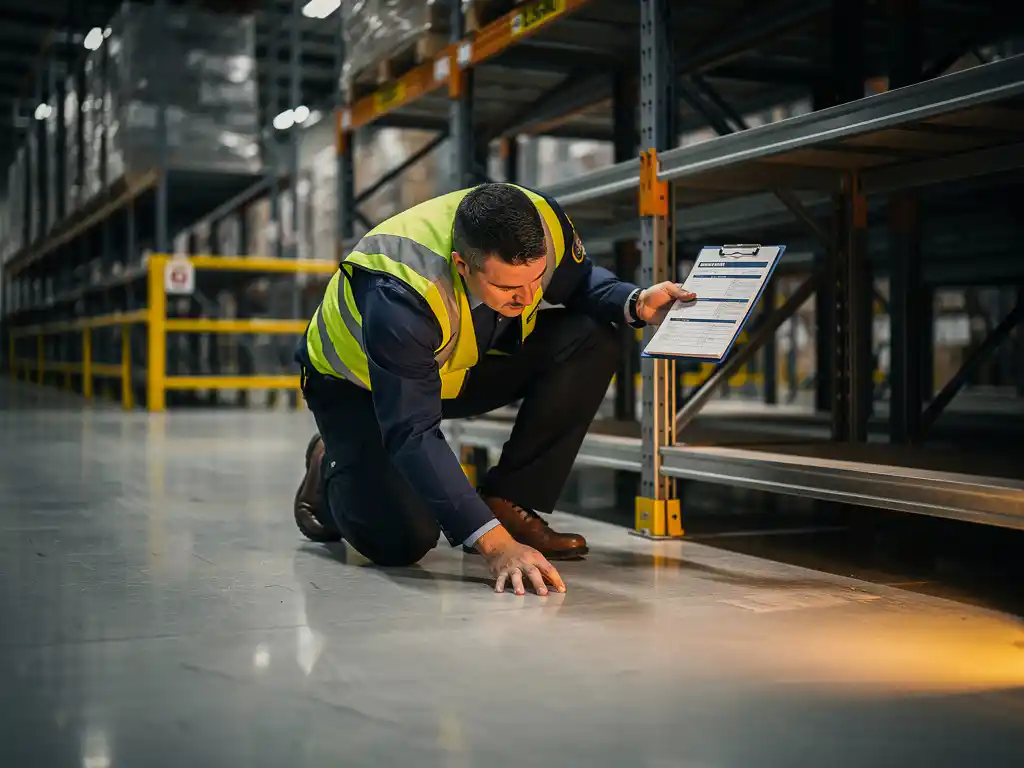
Most workplaces should carry out a general safety inspection at least once a month, though the right frequency depends heavily on the nature of the work, the level of risk involved, and any applicable legal requirements. High-risk environments such as construction sites, warehouses, and healthcare facilities often require weekly or even daily checks. This article unpacks the key factors that shape inspection frequency and answers the most common questions organisations have about staying compliant and keeping people safe.
What factors determine how often a workplace inspection should happen?
The frequency of a workplace inspection is shaped by four main factors: the level of risk in the environment, the pace of operational change, the size of the workforce, and any regulatory obligations that apply to your industry. A low-risk office setting may only need a formal inspection quarterly, whilst a busy production floor may need one every week.
Here are the most important factors to weigh when setting your inspection schedule:
- Risk level: The higher the potential for injury or harm, the more frequently inspections should occur. Environments with heavy machinery, hazardous materials, or physical labour demand closer attention.
- Rate of change: If your processes, equipment, or workforce change frequently, inspections should happen more often to catch new hazards before they cause incidents.
- Previous incidents: A history of near-misses or accidents is a strong signal that inspection frequency needs to increase until the root causes are resolved.
- Number of employees: Larger teams and more complex sites create more variables, which generally calls for more structured and frequent oversight.
- Seasonal or shift-based changes: Workplaces that operate across multiple shifts or experience seasonal peaks may need to adjust their inspection schedule accordingly.
The goal is not to inspect for the sake of it, but to catch hazards early and reinforce a culture where safety is a daily habit rather than a box-ticking exercise.
What are the legal requirements for workplace inspections?
Legal requirements for workplace inspections vary by country and industry, but in most jurisdictions, employers have a statutory duty to regularly assess and manage risks in the workplace. In the Netherlands, for example, the Working Conditions Act (Arbowet) requires employers to conduct a Risk Inventory and Evaluation (RI&E) and keep it up to date. Failure to comply can result in fines or enforcement action.
Whilst legislation often does not prescribe exact inspection intervals, it does establish the principle that hazards must be identified and controlled on an ongoing basis. Industry-specific regulations tend to be more prescriptive. Construction, healthcare, and logistics sectors often have sector-level guidelines that specify minimum inspection frequencies for particular equipment or working conditions.
The practical takeaway is this: check the specific legislation that applies to your sector and country, consult your industry association, and document every inspection. That documentation is your evidence of compliance if a regulator or insurer ever asks.
How often should high-risk environments be inspected?
High-risk environments such as construction sites, warehouses, manufacturing floors, and healthcare settings should typically be inspected at least once a week, with some elements requiring daily checks. For equipment that poses an immediate risk of serious injury, such as forklifts, scaffolding, or lifting gear, a pre-use check before every shift is standard good practice.
The logic here is straightforward: the faster conditions can change, the more frequently you need to verify that those conditions are still safe. A construction site changes shape daily. A hospital ward has rotating staff and patients with unpredictable needs. A logistics hub processes thousands of movements per shift. In each case, a monthly inspection would leave too large a window for hazards to go unnoticed.
For high-risk environments, consider layering your inspection approach:
- Daily: Pre-use equipment checks, housekeeping observations, and brief team safety briefings
- Weekly: Structured walkthrough inspections covering all working areas
- Monthly: More comprehensive review including documentation, incident trends, and training compliance
- Annually: Full formal audit against legal requirements and internal standards
What is the difference between a workplace inspection and a workplace audit?
A workplace inspection is a regular, operational check that identifies physical hazards, unsafe behaviours, and immediate risks in the working environment. A workplace audit is a more structured, systematic review that evaluates whether your safety management systems, policies, and procedures are effective and compliant. Inspections are frequent and practical; audits are periodic and evaluative.
Think of it this way: an inspection asks “Is this area safe right now?” An audit asks “Is our approach to safety working overall?” Both are necessary, but they serve different purposes and happen at different intervals.
In practice, inspections are typically carried out by supervisors, team leaders, or safety representatives on a weekly or monthly basis. Audits are usually conducted by a dedicated safety officer, an external consultant, or a senior management team, often annually or when a significant change occurs in the organisation. The findings from regular inspections should feed into audits, creating a continuous loop of improvement rather than isolated snapshots.
Who should carry out a workplace inspection?
Workplace inspections should be carried out by a competent person who understands the specific hazards of the environment being inspected. This is typically a trained supervisor, a health and safety representative, or a designated safety officer. For more complex or regulated environments, a qualified safety professional may be required.
Involving frontline workers in the inspection process is strongly recommended. Employees who work in an area every day often notice hazards that an occasional visitor would miss. Joint inspections, where a manager and an employee representative walk the site together, tend to produce more thorough findings and build greater trust in the safety process.
Whoever conducts the inspection should be trained to use a consistent workplace inspection checklist, know how to record findings accurately, and understand the escalation process for serious hazards. Consistency matters as much as frequency. An inspection carried out differently every time is difficult to compare over time and harder to act on. Learn more about how structured workplace inspections can be supported with the right digital tools.
How can digital tools make workplace inspections more consistent?
Digital tools make workplace inspections more consistent by standardising the process, reducing reliance on paper-based checklists, and making it easier to track findings, assign corrective actions, and monitor trends over time. When everyone follows the same digital checklist and submits findings through the same system, the quality of inspections no longer depends on individual memory or interpretation.
Mobile-first tools are particularly effective because they meet employees where they already are. Rather than printing and filing paper forms, inspectors can complete a structured checklist on a device they carry with them, attach photos, and submit results instantly. This reduces the gap between observation and action.
Beyond the inspection itself, digital platforms can support the broader safety culture by delivering regular safety reminders, updated procedures, and training content directly to employees. When people are well-informed about what to look for and why it matters, the quality of both formal inspections and informal hazard spotting improves significantly. Explore how toolbox talks and work instructions can reinforce this knowledge on the shop floor.
How E-Lia helps with workplace safety training and inspections
Consistent workplace inspections depend on one thing above all else: people who know what to look for and how to act on it. That means ongoing training, clear procedures, and a way to reach every employee, regardless of their role, location, or language. That is exactly where we come in.
E-Lia delivers microlearning modules directly via WhatsApp, no app download or login required. For organisations managing workplace safety, this means you can:
- Send inspection procedures, safety checklists, and hazard awareness modules directly to employees’ phones
- Schedule refresher training around shift patterns or seasonal risk periods
- Reach multilingual teams with automatic translation into their preferred language
- Build a new safety module in 10 to 15 minutes and deploy it the same day
- Track completion and comprehension through a simple dashboard, so you always know who has received and understood the latest guidance
Whether you are onboarding new staff, rolling out an updated inspection checklist, or reinforcing safety standards after an incident, we make it easy to get the right information to the right people at the right time. Our platform also supports retaining and maintaining knowledge over time, and is well suited to regulated industries that require HACCP training. Plan a free demo and see the platform in action.
Frequently Asked Questions
How do I know if my current inspection frequency is actually sufficient?
A good starting point is to review your incident and near-miss logs. If hazards are regularly being identified after the fact rather than during inspections, or if incidents are occurring between inspection cycles, that is a strong signal your frequency needs to increase. You can also benchmark against your industry association’s guidelines and consult with a qualified safety professional to get an objective assessment of where the gaps are.
What should happen after a workplace inspection is completed?
Every inspection should result in a written record of findings, with each identified hazard assigned a priority level, a responsible person, and a clear deadline for resolution. Findings should not sit in a folder — they need to be acted on, verified as resolved, and reviewed at your next inspection. If the same issues keep appearing on consecutive inspection reports, that is a sign the root cause has not been addressed, not just the symptom.
Can employees refuse to work if they believe a workplace inspection has not been carried out properly?
In most jurisdictions, employees have a legal right to refuse work they reasonably believe poses a serious and immediate risk to their health or safety. This right is separate from the inspection process itself, but inadequate or infrequent inspections can create conditions where that threshold is more likely to be reached. The best way to prevent this situation is to maintain a transparent inspection schedule, involve employee representatives in the process, and act visibly on the findings.
What are the most common mistakes organisations make with workplace inspections?
The most common mistakes are treating inspections as a compliance formality rather than a genuine hazard-finding exercise, using vague or inconsistent checklists that produce unreliable results, and failing to close the loop on corrective actions. Another frequent error is only involving management in the process — frontline workers often have the sharpest eye for what is actually going wrong day to day. Building a checklist that is specific to your environment and making sure findings are visibly acted on are two of the highest-impact improvements most organisations can make.
How long should a workplace inspection take?
The duration depends on the size and complexity of the site, but a structured weekly inspection of a single work area typically takes between 30 and 60 minutes when carried out with a clear checklist. Trying to rush an inspection to save time usually means hazards get missed, which defeats the purpose entirely. If your inspections are consistently taking too long, the more effective fix is to divide the site into zones and rotate responsibility, rather than cutting corners on thoroughness.
Do I need a different checklist for each area of my workplace?
Yes, in most cases you should have area-specific or task-specific checklists rather than one generic form applied everywhere. A checklist designed for a warehouse loading bay will look very different from one used in an office or a laboratory, because the hazards, equipment, and workflows are fundamentally different. A generic checklist risks missing site-specific hazards and can make inspections feel like a box-ticking exercise rather than a meaningful safety activity. Start with a core checklist framework and adapt it for each distinct area or job type.
How should inspection frequency be adjusted after a workplace incident?
Following a significant incident or near-miss, inspection frequency in the affected area should increase immediately — typically to daily checks — until the root cause has been identified, corrective actions have been implemented, and you have confidence the risk has been controlled. This temporary increase serves two purposes: it helps verify that interim controls are holding, and it signals to the workforce that leadership is taking the incident seriously. Once the situation is stable and the corrective actions are verified, you can return to your standard schedule with any permanent improvements built in.