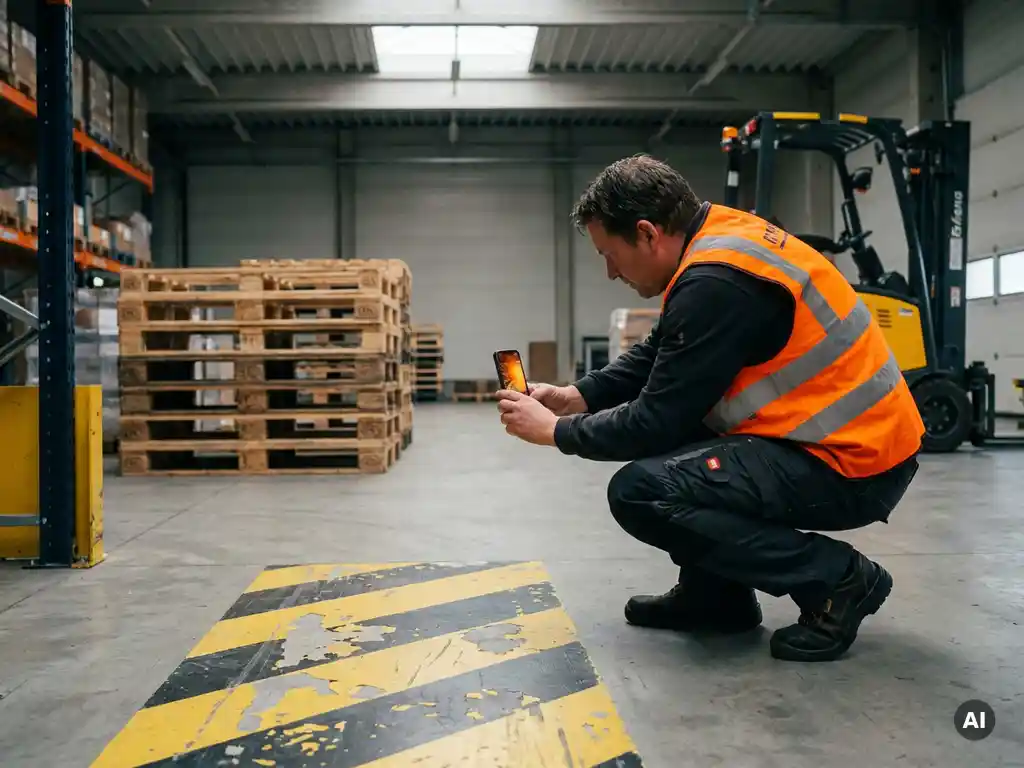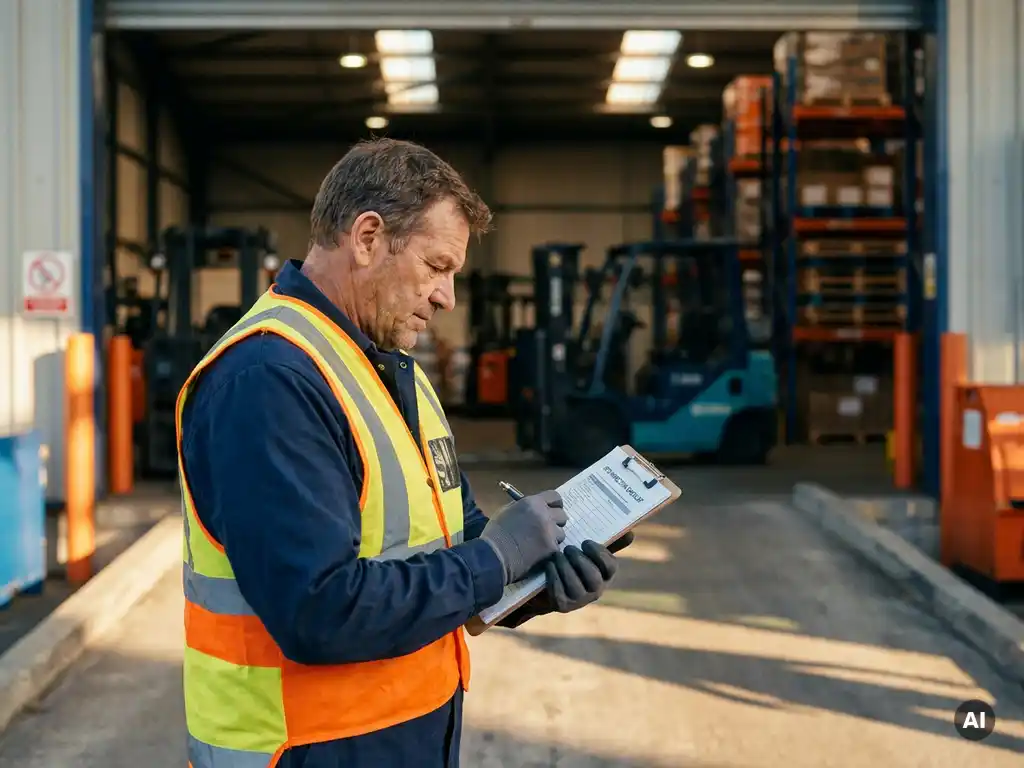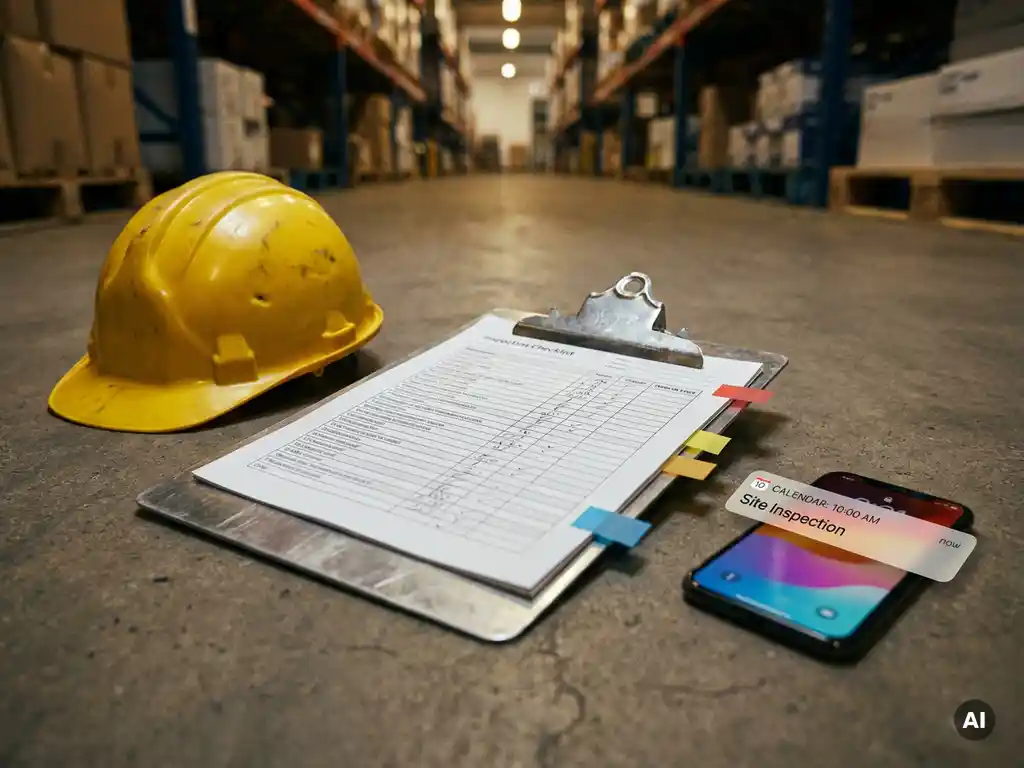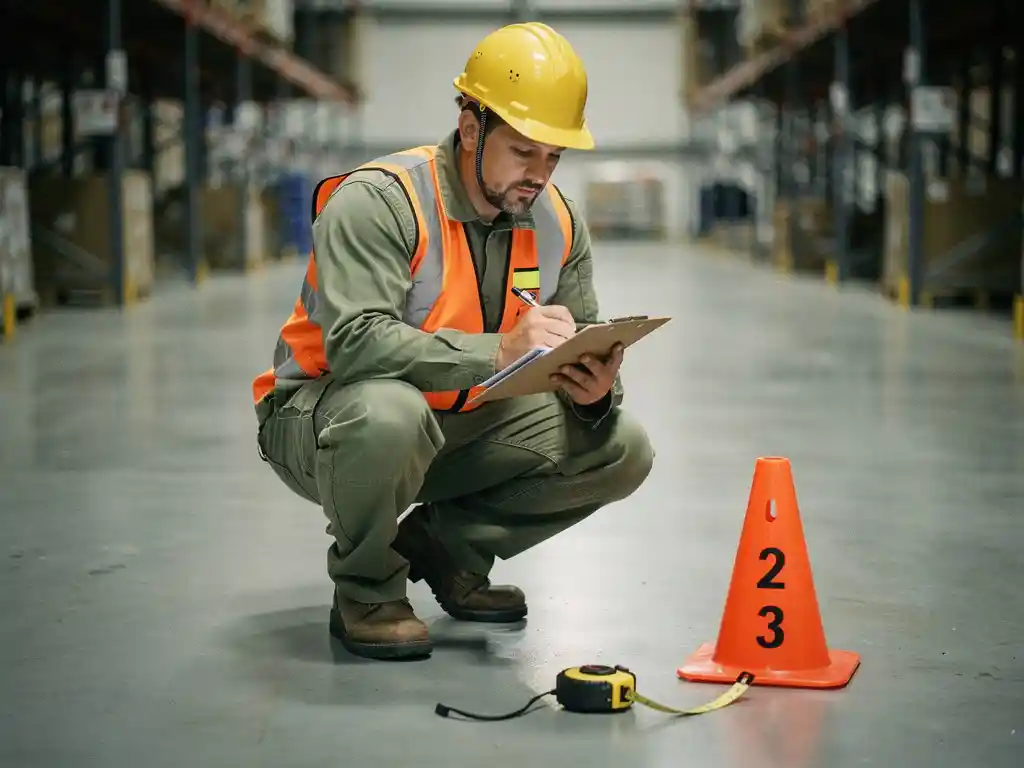
A workplace inspection is a physical walkthrough of a work environment to identify existing hazards and unsafe conditions, whilst a risk assessment is a structured process that evaluates the likelihood and severity of harm from identified hazards. The two are closely related but serve different purposes: an inspection finds problems, and an assessment determines how serious those problems are and what should be done about them. Together, they form the backbone of any effective health and safety programme.
What does a workplace inspection actually involve?
A workplace inspection is a systematic, on-site examination of a physical work environment to spot hazards, unsafe behaviours, and non-compliant conditions before they cause harm. It is an active, observational process where someone physically walks through a workspace, checks equipment, reviews procedures, and documents anything that falls short of safety standards.
During an inspection, the person carrying it out will typically look at:
- The physical condition of floors, walkways, machinery, and equipment
- Whether safety signage is in place and clearly visible
- How employees are actually performing tasks, not just how they are supposed to
- Storage of hazardous materials and waste disposal practices
- Emergency exits, fire extinguishers, and first aid provisions
Inspections can be scheduled or unannounced, and they vary in scope from a full-site review to a targeted check of one specific area or process. The output is usually a written report listing findings and recommended corrective actions. Crucially, a workplace inspection identifies what is wrong, but it does not, on its own, determine the level of risk those findings represent. Learn more about how digital tools can support your workplace inspections.
What is a risk assessment and what does it cover?
A risk assessment is a formal evaluation of the hazards present in a workplace, measuring the likelihood that each hazard will cause harm and the severity of that harm if it does. It goes beyond observation to analyse, prioritise, and document risks so that appropriate control measures can be put in place.
A thorough risk assessment covers:
- Hazard identification: Recognising anything with the potential to cause injury or ill health
- Who might be harmed: Considering employees, contractors, visitors, and any vulnerable groups
- Risk evaluation: Estimating how likely harm is and how serious it could be
- Control measures: Deciding what steps will reduce or eliminate the risk
- Review and update: Revisiting the assessment when circumstances change
Risk assessments are typically documented in writing and form a legal record that an organisation can refer to if an incident occurs. They apply to specific tasks, roles, substances, or areas, and they feed directly into safety policies, training programmes, and operational procedures.
What are the key differences between the two?
The key difference between a workplace inspection and a risk assessment is their purpose and depth. An inspection is observational and reactive, spotting hazards that exist right now. A risk assessment is analytical and forward-looking, determining how much danger those hazards pose and how to control them.
Here is how the two compare directly:
- Focus: Inspections focus on current, visible conditions. Risk assessments focus on potential consequences and probabilities.
- Output: An inspection produces a list of findings and corrective actions. A risk assessment produces a prioritised plan for managing risk.
- Timing: Inspections happen at a point in time, often regularly. Risk assessments are conducted before work begins on a task or when conditions change significantly.
- Depth: Inspections are broad and observational. Risk assessments are specific and analytical.
- Who acts on them: Inspection findings are often handed to supervisors for immediate correction. Risk assessment outcomes shape policy, training, and long-term safety planning.
Neither replaces the other. A workplace that only inspects without assessing risk may fix visible problems whilst missing deeper, systemic dangers. A workplace that only assesses risk without regular inspections may find that controls put in place have degraded or been ignored over time.
Which one is legally required in the workplace?
In most countries with formal health and safety legislation, risk assessments are a legal requirement. In the UK, for example, the Management of Health and Safety at Work Regulations 1999 require every employer to carry out a suitable and sufficient risk assessment. Similar obligations exist across the EU, Australia, Canada, and many other jurisdictions.
Workplace inspections are often implied or expected as part of an employer’s general duty of care, but they are less frequently mandated by name in primary legislation. In practice, regulatory bodies and courts treat regular inspections as evidence of a proactive safety culture, and the absence of inspection records can work against an employer if an incident leads to an investigation or litigation.
For organisations with five or more employees in the UK, risk assessments must be recorded in writing. Smaller organisations are still legally required to conduct them, even if written records are not strictly mandated. Regardless of size, keeping written records of both inspections and assessments is strongly advisable as evidence of due diligence.
How do workplace inspections and risk assessments work together?
Workplace inspections and risk assessments are most effective when they are used as a continuous cycle rather than separate, one-off activities. Inspections feed information into risk assessments, and risk assessments guide what inspectors should look for.
In practice, the relationship works like this:
- A risk assessment is conducted before a task or process begins, identifying the hazards involved and the controls needed.
- Those controls are put in place, such as guarding on machinery, signage, or personal protective equipment requirements.
- Regular workplace inspections check whether those controls are actually working and whether new hazards have emerged.
- Inspection findings trigger updates to the risk assessment when conditions have changed significantly.
This loop ensures that hazard identification stays current and that risk management does not become a paper exercise. In fast-moving environments such as logistics, manufacturing, or healthcare, conditions can change quickly. Regular inspections keep the risk picture accurate, and updated assessments keep the response proportionate. Structured toolbox talks are a practical way to keep teams aligned on both inspection findings and updated risk controls.
Who should carry out each one?
Both workplace inspections and risk assessments should be carried out by someone with sufficient knowledge, competence, and authority to act on what they find. The specific person will depend on the size and complexity of the organisation.
Who conducts workplace inspections
Inspections are commonly carried out by supervisors, safety officers, or health and safety representatives. In some industries, trade union safety representatives have a legal right to conduct inspections. The key requirement is that the inspector understands what good looks like in that specific environment and knows how to document and escalate findings. Peer inspections, where team members inspect each other’s areas, can also be effective for building a safety-conscious culture.
Who conducts risk assessments
Risk assessments require a higher level of analytical competence. They are typically conducted by a health and safety manager, a qualified safety professional, or a line manager who has received appropriate training. For complex or high-hazard activities, specialist expertise may be needed. Importantly, the people who actually do the work should be involved in the assessment process, as they have the most accurate understanding of how tasks are really performed and where things can go wrong.
In smaller organisations, one person may carry out both roles. What matters most is that the individual understands the difference between the two processes and applies each one with the appropriate depth and rigour.
How E-Lia helps with workplace safety training
Understanding the difference between a workplace inspection and a risk assessment is only the first step. The real challenge is making sure your teams actually know what to do, when to do it, and how to do it correctly. That is where we come in.
We help organisations deliver safety knowledge directly to employees through short, practical microlearning modules sent via WhatsApp, with no app downloads or logins required. Here is what that looks like in practice:
- Microlearning modules on safety topics such as hazard identification, risk reporting, and inspection procedures, completed in 3 to 6 minutes
- Automated onboarding flows that ensure new employees receive the right safety information before they start on the floor
- Multilingual support so every team member receives training in their own language, removing barriers in diverse workforces
- Progress tracking via a dashboard so managers can confirm who has completed which modules and identify knowledge gaps
- Modules built to retain and maintain knowledge, meaning safety updates can be pushed to teams quickly when procedures change
- Digital work instructions that keep procedures clear, accessible, and consistently followed across your teams
- HACCP training for organisations in food production and related industries that need to meet strict compliance standards
Whether you work in healthcare, logistics, production, or retail, we make it simple to keep your people informed and your safety processes consistent. Plan a free demo and see how E-Lia can support your health and safety training today.
Frequently Asked Questions
How often should workplace inspections be carried out?
The right frequency depends on the nature of the work, the level of risk involved, and any regulatory requirements in your industry. High-hazard environments such as manufacturing or construction may require daily or weekly checks, whilst lower-risk office settings might only need monthly or quarterly inspections. A good rule of thumb is to inspect more frequently whenever there are changes to processes, equipment, or personnel, and to always document each inspection so you can spot trends over time.
When does a risk assessment need to be reviewed or updated?
A risk assessment should be reviewed whenever there is a significant change in the workplace, such as new equipment being introduced, a process being modified, a near-miss or incident occurring, or when the assessment simply hasn’t been revisited in a long time. In practice, many organisations set a routine review cycle of once a year as a minimum, even if nothing has obviously changed. If an inspection uncovers hazards that weren’t anticipated in the original assessment, that is a clear trigger to update it immediately.
What are the most common mistakes organisations make with workplace inspections?
One of the most frequent mistakes is treating inspections as a tick-box exercise rather than a genuine search for hazards, which often happens when the same person inspects the same area repeatedly and stops noticing familiar risks. Another common pitfall is failing to follow up on findings, meaning problems are documented but never actually corrected. To avoid this, assign clear ownership of corrective actions with realistic deadlines, and verify at the next inspection that those actions have been completed.
Do small businesses with fewer than five employees still need to conduct risk assessments?
Yes. In the UK, for example, the legal duty to carry out a suitable and sufficient risk assessment applies to all employers regardless of size, even if written records are only strictly required for businesses with five or more employees. In practice, keeping written records is strongly advisable even for very small businesses, as it demonstrates due diligence if an incident ever leads to an investigation. A simple, one-page risk assessment for each key task or area is far better than nothing at all.
Can the same person carry out both the inspection and the risk assessment?
Yes, especially in smaller organisations where one health and safety lead covers both responsibilities. What matters is that the person understands the distinction between the two processes and applies the right level of rigour to each one: broad, observational thinking for inspections and structured, analytical thinking for risk assessments. Where possible, involving the employees who actually perform the work adds significant value to both processes, since they have first-hand knowledge of how tasks are really carried out and where things can go wrong.
How do I make sure employees actually act on safety findings rather than ignoring them?
The most effective approach is to make safety findings visible, assigned, and time-bound rather than buried in a report that nobody reads. Share inspection outcomes with the relevant team, name the person responsible for each corrective action, and set a clear deadline for completion. Reinforcing this with short, targeted training, for example a quick module explaining why a specific hazard matters, helps employees understand the reasoning behind the action rather than simply following an instruction they don’t fully buy into.
What is the difference between a generic risk assessment and a site-specific one, and which do I need?
A generic risk assessment covers the typical hazards associated with a type of task or role and is useful as a starting template, but it is not a substitute for a site-specific assessment that reflects the actual conditions, layout, and workforce of your particular workplace. Regulators and courts consistently expect assessments to be suitable and sufficient for the specific environment, which means a generic document alone is unlikely to meet your legal obligations. Use generic assessments as a foundation, then adapt them to reflect the real hazards and controls relevant to your site.