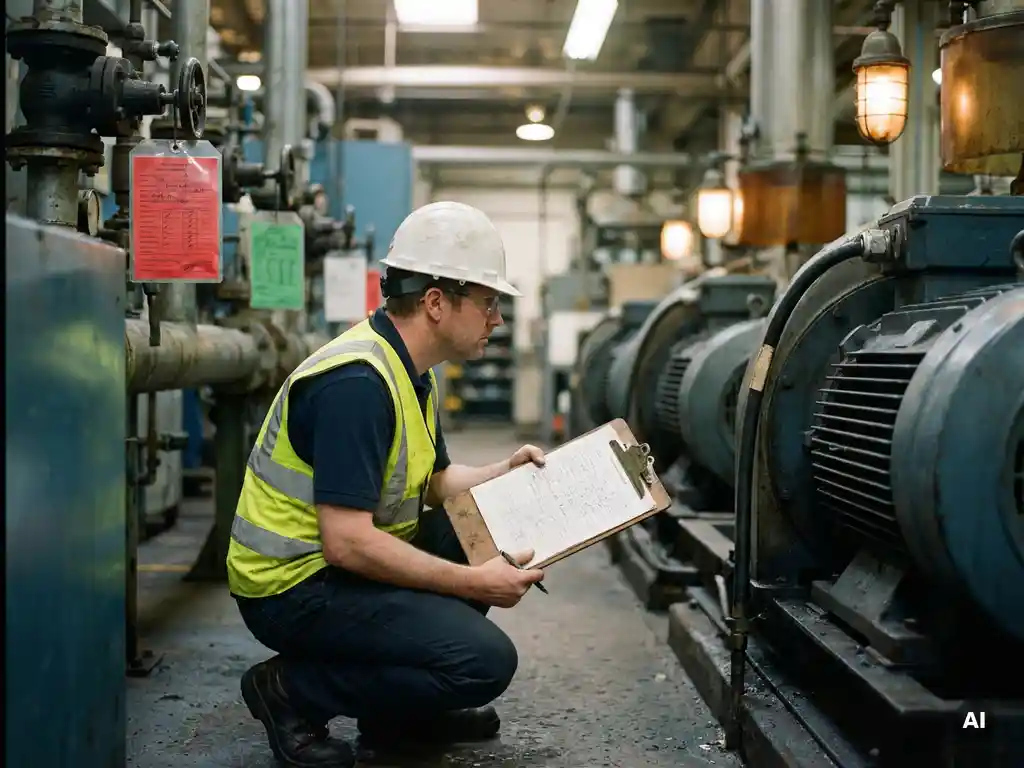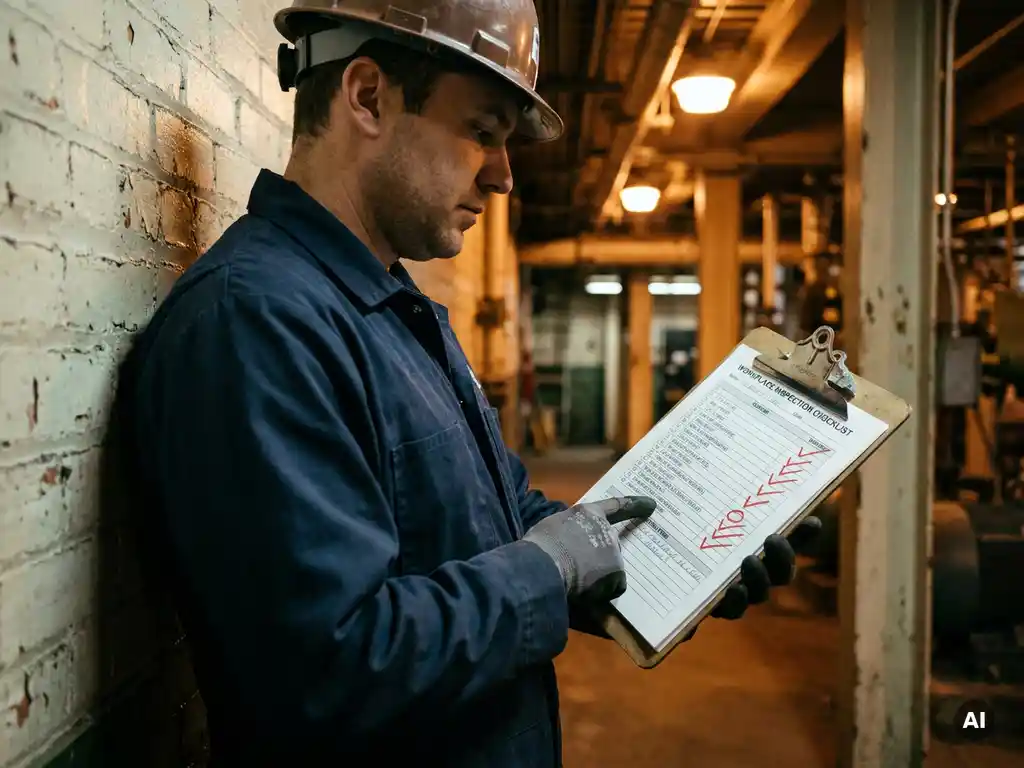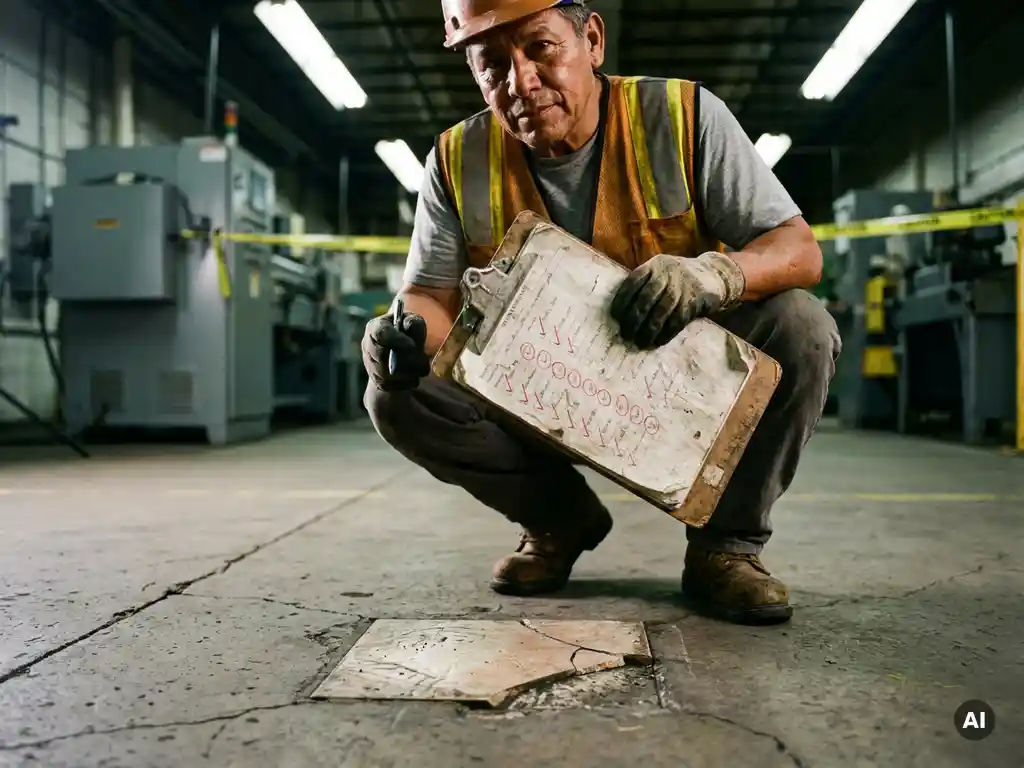


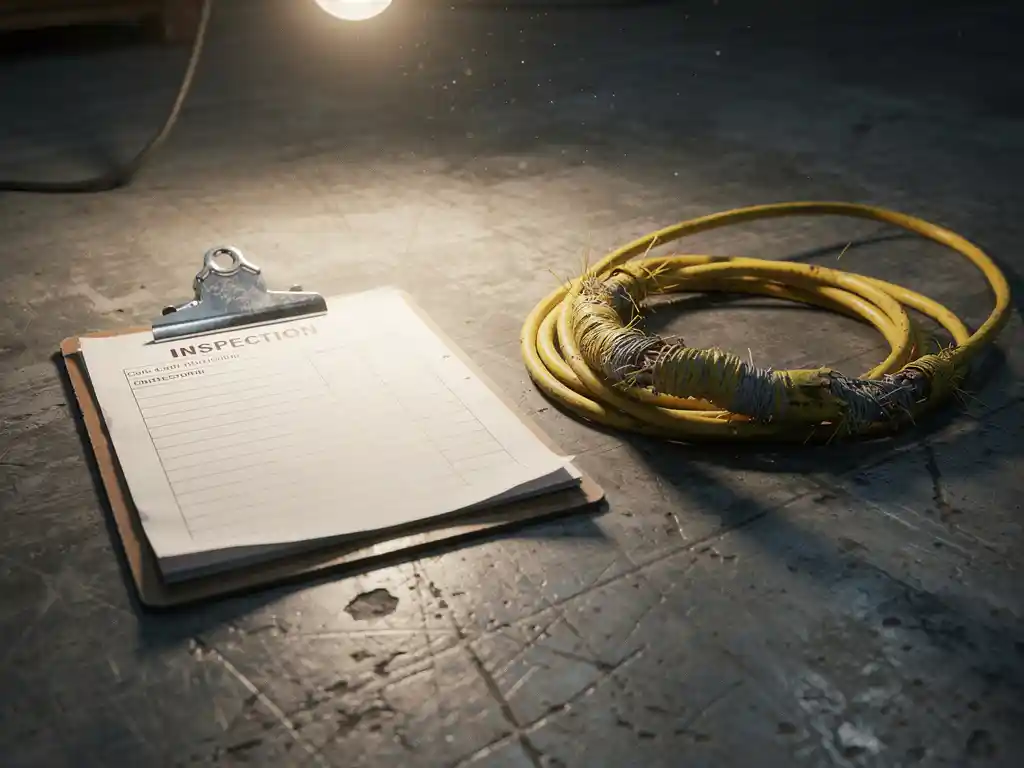
The most common mistakes made during workplace inspections include using outdated or incomplete checklists, skipping areas that seem low-risk, failing to involve frontline workers, and not following up on identified issues. These errors allow real hazards to go unnoticed and unresolved, undermining the entire purpose of the inspection. Understanding where inspections typically go wrong is the first step towards making them genuinely effective — and the questions below cover exactly that.
Why do workplace inspections fail to catch real hazards?
Workplace inspections fail to catch real hazards primarily because they are treated as a compliance exercise rather than a genuine safety tool. When inspectors follow a fixed routine, focus only on visible or familiar risks, and move through the work floor quickly to tick boxes, hazards that fall outside the expected pattern are routinely missed. The inspection becomes a formality rather than a meaningful assessment.
Several underlying factors contribute to this problem. Inspectors often develop familiarity blindness, where repeated exposure to the same environment makes unusual or gradually worsening conditions invisible. A frayed cable that has been there for months stops registering as a hazard. Similarly, inspections conducted only during normal operating hours miss risks that emerge during shift changes, peak load periods, or when specific equipment is in use.
There is also the issue of scope. A workplace safety inspection that focuses exclusively on physical hazards will overlook procedural gaps, communication failures, or ergonomic risks that are just as likely to cause harm. Effective inspections require a broader lens and a structured approach that actively looks beyond the obvious.
What are the most common mistakes made during workplace inspections?
The most common workplace inspection mistakes are using an outdated inspection checklist, rushing through the process, inspecting alone without input from workers, failing to document findings properly, and not assigning clear responsibility for corrective actions. Each of these errors reduces the inspection’s ability to identify and address genuine risk.
Here is a breakdown of the most frequent common inspection errors:
- Outdated checklists: Checklists that have not been updated to reflect new equipment, processes, or regulations leave entire categories of risk unexamined.
- Rushing the inspection: Time pressure leads inspectors to skip areas, accept surface-level observations, and miss subtle warning signs.
- Solo inspections: A single inspector brings a single perspective. Without input from the people who work in the area daily, blind spots are inevitable.
- Vague or incomplete findings: Recording “area needs attention” instead of a specific description of the hazard makes follow-up nearly impossible.
- No ownership of actions: When findings are logged but no one is assigned to resolve them, the inspection produces a report rather than a result.
- Inconsistent frequency: Sporadic inspections mean hazards can develop and persist for long periods between checks.
Addressing these errors does not require a complete overhaul of your safety programme. In many cases, improving the structure and preparation around inspections is enough to significantly raise their effectiveness. Learn more about how structured workplace inspections can be supported with the right tools and training.
How does poor documentation affect workplace inspection outcomes?
Poor documentation directly undermines workplace inspection outcomes by making it impossible to track hazards over time, assign accountability, or demonstrate compliance. When inspection findings are vague, incomplete, or stored inconsistently, the organisation loses the ability to act on what was found, identify recurring problems, or defend itself in the event of an incident.
Good documentation serves several critical functions. It creates a factual record of conditions at a specific point in time, which is essential if a hazard later leads to an accident. It also enables trend analysis. If the same issue appears in three consecutive work floor inspections, that pattern signals a systemic problem that needs a structural solution rather than a repeated quick fix.
Practically, documentation needs to be specific. Each finding should include the exact location, a clear description of the hazard, an assessment of the potential risk, the recommended corrective action, the person responsible, and a deadline. Anything less reduces the inspection record to a paper trail that satisfies a requirement without driving real improvement.
Digital documentation tools help by standardising the format and making records immediately accessible to relevant stakeholders. They also allow automatic reminders for follow-up actions, which closes one of the most common gaps in the inspection process.
Who should be involved in a workplace inspection?
A workplace inspection should involve at least one trained safety officer or manager and at least one frontline worker from the area being inspected. The combination of formal safety knowledge and day-to-day operational experience produces a far more complete picture of actual conditions than either perspective alone.
Frontline workers know where the workarounds are, which equipment behaves unpredictably, and which procedures are routinely skipped under time pressure. Their involvement is not just useful, it is essential. An inspection that only captures what a manager can see from a walkthrough will miss the informal realities of how work actually gets done.
Depending on the size and structure of the organisation, the inspection team might also include a union representative, a health and safety committee member, or a specialist with expertise in a particular type of risk such as electrical safety or manual handling. The key principle is that inspection teams should represent the people who are most exposed to the hazards being assessed.
Rotating team members across inspections is also good practice. It prevents the familiarity blindness mentioned earlier and builds safety awareness across a wider group of employees, which strengthens the overall safety culture of the organisation.
How can consistent training reduce inspection errors?
Consistent training reduces workplace inspection errors by ensuring that everyone involved in the process uses the same standards, recognises the same categories of risk, and understands what thorough documentation looks like. Without shared training, inspection quality varies widely depending on who is conducting it, which creates gaps and inconsistencies that hazards can slip through.
Training for workplace inspections should cover how to use the inspection checklist effectively, how to identify both obvious and less visible hazards, how to document findings with the specificity needed for follow-up, and how to communicate findings to the right people. This is not a one-time exercise. As equipment changes, processes evolve, and regulations are updated, training needs to keep pace.
Short, targeted training sessions work better than infrequent lengthy courses for this type of operational knowledge. When inspectors receive regular refreshers that address real findings from recent inspections, they stay calibrated to current conditions rather than relying on knowledge that may no longer reflect the work environment accurately. Explore how retaining and maintaining knowledge can be built into your ongoing training approach.
Training also builds confidence. Inspectors who are uncertain about what they are looking for tend to default to the most visible hazards and avoid flagging anything they cannot clearly justify. Well-trained inspectors are more likely to raise concerns, ask questions, and document ambiguous situations rather than letting them pass.
What should happen after a workplace inspection is completed?
After a workplace inspection is completed, the findings must be reviewed, prioritised by risk level, assigned to specific individuals with clear deadlines, communicated to affected workers, and followed up to confirm that corrective actions have been taken. An inspection that ends with a report but no structured follow-up process fails to deliver the safety improvement it was designed to achieve.
The immediate steps after an inspection should include:
- Review and prioritise findings: Separate urgent hazards that require immediate action from lower-priority issues that can be scheduled for resolution.
- Assign responsibility: Every finding needs a named owner who is accountable for resolving it within an agreed timeframe.
- Communicate with the team: Workers in the inspected area should be informed of what was found and what actions are being taken. This builds trust and reinforces that inspections lead to real change.
- Set a follow-up date: Schedule a check-in to confirm that corrective actions have been completed, not just initiated.
- Update the inspection checklist: If the inspection revealed hazards that the current checklist did not prompt, revise it before the next inspection.
- Record and archive the completed inspection: Store the documentation in a consistent, accessible location for future reference and compliance purposes.
The post-inspection process is where most of the safety value is either realised or lost. Organisations that treat the inspection as the end point, rather than the starting point, consistently see the same hazards reappear in subsequent inspections because nothing was actually resolved.
How E-Lia helps with workplace inspection training
One of the most effective ways to reduce common inspection errors is to make sure everyone involved is consistently and clearly trained. That is exactly where we can help. Book a demo to find out how E-Lia delivers workplace inspection training directly via WhatsApp, with no app to download, no login required, and no lengthy onboarding process.
We help organisations build short, focused microlearning modules that cover exactly what inspectors and team members need to know, including:
- How to use an inspection checklist correctly and consistently
- What to look for during a work floor inspection beyond the obvious hazards
- How to document findings in a way that enables real follow-up
- What responsibilities each team member holds in the post-inspection process
- How to stay up to date when procedures or regulations change
Modules take an average of 10 to 15 minutes to build and just 3 to 6 minutes for employees to complete. Training can be sent immediately or scheduled in advance, and automatic translations mean multilingual teams receive the same quality of instruction in their own language. Progress and completion are tracked via a clear dashboard, so you always know who has been trained and who still needs to complete a module.
E-Lia also supports related training needs beyond inspections. Whether you need to deliver toolbox talks, structure your onboarding process, provide clear work instructions, or roll out HACCP training, the platform gives you a consistent and accessible way to reach every team member.
If you want to see how this works in practice, plan a demo and we will walk you through the platform with your specific training needs in mind.
Frequently Asked Questions
How often should workplace inspections be carried out?
The right frequency depends on the nature of the work, the level of risk involved, and any regulatory requirements that apply to your industry. High-risk environments such as construction sites or chemical facilities typically require weekly or even daily checks in certain areas, while lower-risk office environments may only need monthly or quarterly inspections. As a general rule, inspection frequency should match the rate at which hazards can develop — if conditions change quickly, inspections need to keep pace.
What is the difference between a workplace inspection and a workplace audit?
A workplace inspection focuses on identifying physical hazards, unsafe conditions, and immediate risks in the work environment — it is observational and operational. A workplace audit, by contrast, evaluates whether safety management systems, policies, and procedures are in place and functioning correctly — it is systemic and documentary. Both serve important but distinct purposes, and an effective safety programme uses them in combination rather than treating one as a substitute for the other.
How do I update an inspection checklist without missing something important?
Start by reviewing findings from your last three to five inspections and identifying any hazards that were flagged but not captured by the existing checklist — these are your immediate gaps. Then cross-reference the checklist against any changes to equipment, processes, or regulations that have occurred since it was last revised. Involving frontline workers in the review process is particularly valuable here, as they are most likely to know which risks are not currently being captured.
What should I do if a worker raises a hazard that was not identified during the inspection?
Treat it with the same seriousness as a formally inspected finding — log it, assess the risk level, assign a responsible person, and set a resolution deadline. The fact that it was not caught during the inspection is itself useful information: it signals either a gap in your checklist, a blind spot in your inspection approach, or a hazard that only becomes visible under specific working conditions. Use it as an opportunity to improve the next inspection rather than treating it as an exception.
Can a workplace inspection be conducted remotely or digitally?
Remote inspections are possible in limited circumstances — for example, reviewing digital records, equipment logs, or camera feeds — but they cannot replace a physical walkthrough for most workplace environments. The value of an in-person inspection lies in observing actual conditions, noticing subtle changes, and having conversations with workers on the floor. Digital tools work best as a complement to physical inspections, helping with documentation, scheduling, and follow-up tracking rather than replacing direct observation.
How do I get buy-in from managers and workers to take inspections more seriously?
The most effective approach is to make the results of inspections visible and to demonstrate that they lead to real action. When workers see that a hazard they flagged was resolved within a week of the inspection, trust in the process builds quickly. For managers, connecting inspection outcomes to incident rates, insurance costs, and regulatory compliance tends to be persuasive. Short, accessible training that explains the purpose and process of inspections — rather than just the procedures — also helps shift the mindset from compliance exercise to genuine safety tool.
What are the signs that our inspection process needs a significant overhaul rather than minor adjustments?
Key warning signs include the same hazards appearing repeatedly across multiple inspections without resolution, a significant incident occurring in an area that had recently been inspected and cleared, consistently low participation or engagement from workers during inspections, and inspection reports that are filed but never acted upon. If several of these apply, the issue is likely structural — rooted in how inspections are planned, conducted, and followed up — rather than something that can be fixed by updating a checklist alone.