

Several toolbox talk topics are mandatory for compliance, including hazard communication, personal protective equipment, emergency procedures, and workplace-specific safety risks. OSHA requires regular safety training on these topics, with frequency depending on industry and risk level. Proper documentation and consistent delivery ensure regulatory compliance and protect both workers and organisations from penalties.
What are toolbox talks and why are they required for compliance?
Toolbox talks are brief safety meetings that address specific workplace hazards and safety procedures. These mandatory safety meetings typically last 5–15 minutes and focus on immediate safety concerns relevant to daily work activities. They serve as a primary method for delivering ongoing safety education and maintaining regulatory compliance.
Legal requirements make certain toolbox talk topics mandatory because they directly address high-risk workplace situations that cause injuries and fatalities. OSHA standards require employers to provide safety training that covers specific hazards present in their workplace. Industries such as construction, manufacturing, and healthcare face stricter requirements due to elevated risk levels.
Compliance requirements vary by industry, but all employers must address hazards identified in their workplace safety assessments. The legal foundation stems from the General Duty Clause, which requires employers to provide a workplace free from recognised hazards. Regular safety toolbox talks demonstrate an ongoing commitment to worker protection and regulatory adherence. Learn more about how digital toolbox talks can support your compliance programme.
Which safety topics are legally mandated by OSHA and other regulatory bodies?
OSHA compliance requires specific toolbox talk topics based on workplace hazards and industry standards. Core mandatory topics include hazard communication for chemical safety, personal protective equipment usage, lockout/tagout procedures, and emergency action plans. These topics address the most common causes of workplace injuries and deaths.
Construction sites must cover fall protection, scaffolding safety, electrical hazards, and excavation safety. Manufacturing facilities require machine guarding, confined space entry, and respiratory protection training. Healthcare environments need bloodborne pathogen awareness and ergonomic safety discussions.
Additional regulatory bodies impose specific requirements. The Department of Transportation mandates driver safety training for commercial vehicle operators. The Environmental Protection Agency requires hazardous waste handling procedures. State agencies often add supplementary requirements that exceed federal minimums, particularly for high-risk industries.
Universal mandatory topics across all industries include:
- Emergency evacuation procedures and assembly points
- Fire safety and extinguisher locations
- Incident reporting procedures and requirements
- Basic first aid awareness and response protocols
- Workplace violence prevention and response
How often must mandatory toolbox talk topics be covered?
Frequency requirements for mandatory compliance topics depend on specific OSHA standards and workplace risk assessments. High-risk topics such as confined space entry and hazardous chemical handling require monthly coverage. General safety topics need quarterly reinforcement, whilst annual training suffices for basic emergency procedures.
Documentation standards require tracking both topic coverage and worker attendance. Each session must record the date, topic covered, presenter name, and participant signatures. Training records must remain accessible for OSHA inspections and typically require five-year retention periods.
Scheduling best practices involve rotating topics to maintain engagement whilst ensuring comprehensive coverage. Many organisations use monthly safety calendars that distribute mandatory topics throughout the year. Critical topics receive more frequent attention, particularly following incidents or near misses in related areas.
Special circumstances trigger additional training requirements. New employee onboarding demands immediate coverage of all workplace-specific hazards — a structured onboarding programme helps ensure nothing is missed. Equipment changes, procedural updates, or incident investigations often necessitate supplementary safety meetings beyond regular schedules.
What happens if you skip mandatory toolbox talk topics?
Skipping mandatory safety topics results in OSHA violations that carry significant financial penalties and legal consequences. Wilful violations can cost up to $156,259 per incident, whilst serious violations typically range from $1,112 to $15,625. Repeat violations face enhanced penalties and increased regulatory scrutiny.
Legal liability extends beyond direct fines when inadequate training contributes to workplace incidents. Employers face potential lawsuits from injured workers, increased insurance premiums, and workers’ compensation claims. Criminal charges may apply in cases involving gross negligence or wilful safety violations.
Workplace incidents become more likely when workers lack proper safety training. Missing toolbox talks on fall protection, chemical handling, or emergency procedures directly correlates with higher injury rates. These incidents damage company reputation, reduce productivity, and create additional compliance obligations.
Regulatory penalties compound over time through follow-up inspections and monitoring requirements. OSHA may mandate additional training, third-party safety audits, or enhanced reporting procedures. Severe violations can result in work stoppages that halt operations until compliance issues are resolved. Tools that help retain and maintain knowledge play a key role in preventing these situations.
How do you document and track mandatory toolbox talk compliance?
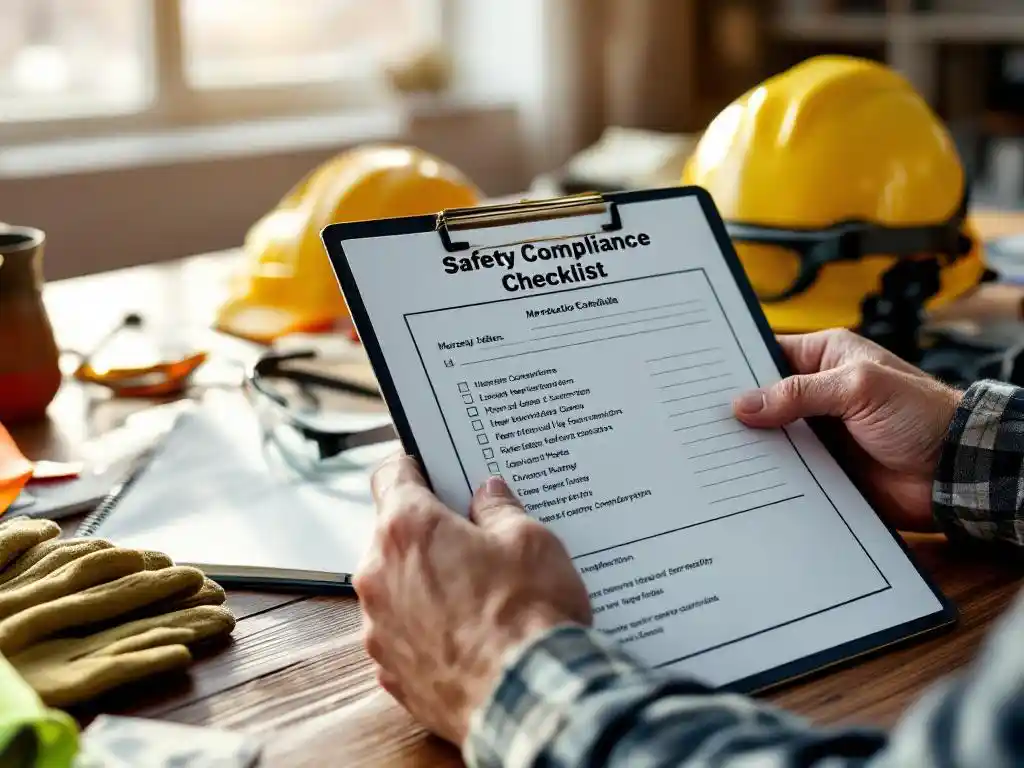
Proper documentation requires detailed records of each safety meeting, including attendance rosters, topics covered, and training materials used. Digital tracking systems help maintain consistent records whilst providing easy access during inspections. Documentation must demonstrate both topic coverage frequency and individual worker participation.
Best practices include creating standardised forms that capture essential information consistently. Each record should include meeting date, duration, presenter qualifications, specific topics discussed, and questions addressed. Participant signatures confirm attendance and understanding of the material presented.
Tracking completion rates helps identify gaps in coverage and ensures all workers receive required training. Regular audits of training records reveal patterns in attendance and highlight workers who may need additional safety education. Automated systems can flag upcoming training requirements and overdue sessions.
Audit trails must satisfy regulatory requirements by providing clear evidence of compliance efforts. Electronic systems offer advantages through automated backup, search capabilities, and integration with other safety management tools. Consistent workplace inspections combined with thorough documentation create a robust compliance framework. However, paper-based systems remain acceptable when properly maintained and organised.
How E-lia helps with toolbox talk compliance
E-lia streamlines workplace safety requirements through WhatsApp-based microlearning that delivers mandatory safety training directly to workers’ phones. Our platform ensures consistent compliance tracking whilst simplifying documentation requirements for busy safety managers and supervisors.
Key compliance benefits include:
- Automated delivery of mandatory safety topics on schedule
- Real-time tracking of completion rates and participant engagement
- Digital documentation that satisfies OSHA record-keeping requirements
- Multilingual support for diverse workforces
- Mobile-friendly format accessible without additional app downloads
The platform reduces administrative burden by automating training schedules and generating compliance reports. Safety managers can focus on workplace hazards rather than paperwork, whilst workers receive timely, relevant safety information through familiar communication channels. E-lia also supports structured work instructions and HACCP training for industries with specific food safety obligations.
Ready to simplify your toolbox talk compliance? Book a free demo and discover how E-lia transforms safety training delivery to ensure consistent regulatory compliance across your organisation.
Frequently Asked Questions
How do I create an effective toolbox talk schedule that covers all mandatory topics?
Start by listing all mandatory topics for your industry and their required frequencies. Create a 12-month calendar that distributes high-risk topics (like confined space entry) monthly, general safety topics quarterly, and basic procedures annually. Build in flexibility for incident-driven training and new employee onboarding sessions.
What should I do if workers consistently miss mandatory toolbox talks?
Implement a make-up training system with alternative delivery methods like one-on-one sessions or digital training modules. Document all missed sessions and completion of alternative training. Consider adjusting meeting times to accommodate different shifts and address any underlying attendance barriers with supervisors.
Can I use the same toolbox talk content for different job roles and departments?
While core topics like emergency procedures apply universally, you should customise content to address specific hazards each group faces. Construction workers need detailed fall protection training, whilst office staff require more focus on ergonomics and evacuation procedures. Tailor examples and scenarios to make training relevant and engaging.
How do I prove to OSHA inspectors that my toolbox talks meet compliance requirements?
Maintain comprehensive records showing topic coverage frequency, attendee signatures, presenter qualifications, and training materials used. Keep documentation for at least five years and ensure records demonstrate that all workplace-specific hazards identified in your safety assessment are regularly addressed through training.
What's the best way to handle toolbox talks for remote or travelling workers?
Use digital platforms that deliver training through mobile devices, ensuring consistent message delivery regardless of location. Schedule virtual toolbox talks via video calls for real-time interaction, and maintain the same documentation standards with digital signatures and completion tracking.
How can I make mandatory toolbox talks more engaging to improve retention?
Use real workplace scenarios and recent incidents as discussion points, encourage questions and sharing of experiences, and rotate presenters to bring different perspectives. Keep sessions interactive with demonstrations, visual aids, and hands-on activities rather than just reading from scripts.
What happens if a workplace incident occurs right after covering that topic in a toolbox talk?
Document the incident thoroughly and review whether the training adequately addressed the specific hazard that caused the incident. This doesn't necessarily indicate non-compliance, but use it as an opportunity to enhance future training content and consider additional reinforcement sessions on that topic.