


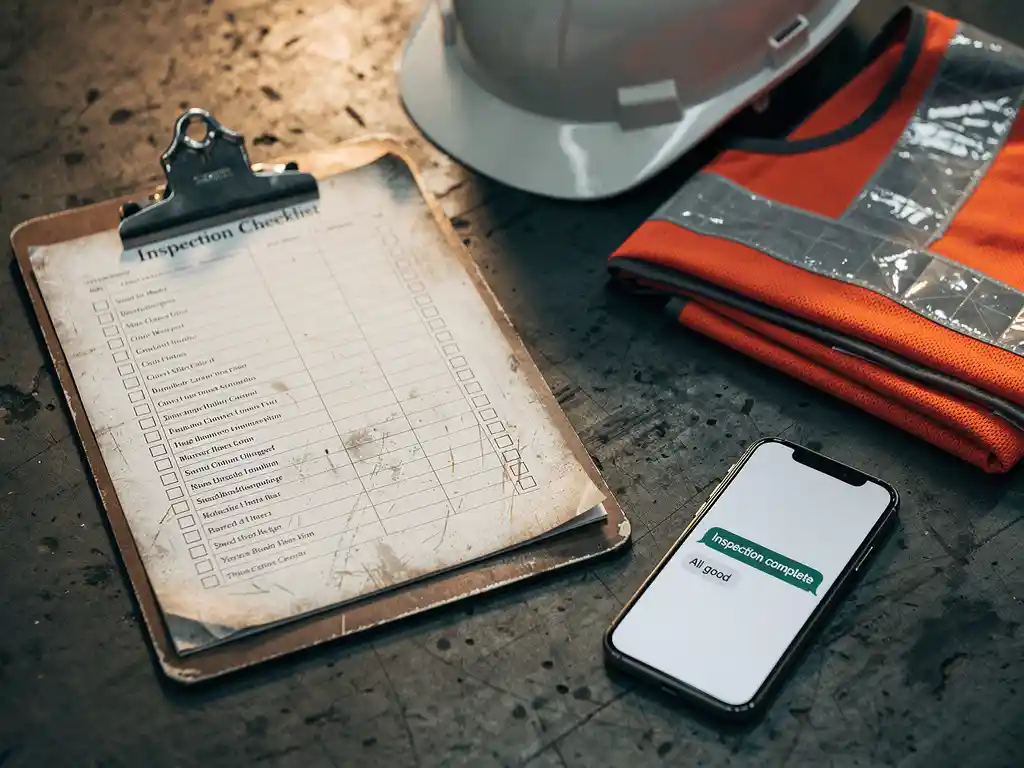
A periodic workplace inspection annual plan typically includes a schedule of planned inspection dates, the locations or departments to be inspected, the responsible parties, the checklists to be used, and a system for recording and following up on findings. It serves as the master document that keeps workplace safety inspection activities organised, consistent, and accountable across the entire year. The sections below answer the most common questions about building and using one effectively — from scheduling to documentation to the tools that make it easier. If you want to explore how digital tools can support this process, feel free to book a free demo.
What sections does a periodic workplace inspection annual plan include?
A well-structured periodic workplace inspection annual plan includes six core sections: an inspection schedule with dates and frequency, a list of locations or work areas to be covered, assigned responsibilities for each inspection, the checklists or criteria to be applied, a findings log, and a follow-up action tracker. Together, these sections ensure that no area is overlooked and that every inspection leads to concrete outcomes.
Beyond those core components, many organisations add a brief introduction that explains the purpose of the annual plan and references relevant legal or regulatory requirements. This is especially useful when the plan is shared across departments or reviewed by external auditors. Some plans also include a summary section at the end of the year to evaluate whether all scheduled inspections were completed and what recurring issues were identified.
For organisations operating across multiple sites or shifts, it helps to add a column for the specific team or shift covered, so the plan reflects the full operational reality rather than just physical locations. A clear version history at the top of the document is also good practice, ensuring everyone is working from the most current template.
How often should workplace inspections be scheduled throughout the year?
The frequency of workplace inspections in an annual plan depends on the risk level of the work environment. High-risk areas such as production floors, warehouses, and clinical settings typically require monthly or even weekly inspections. Lower-risk office environments may only need quarterly checks. Regulatory requirements in your sector or country may also set a minimum frequency that overrides internal preferences.
A practical approach is to tier your inspection schedule based on risk. Areas with heavy machinery, hazardous materials, or high foot traffic warrant more frequent attention. Administrative spaces with lower physical risk can be inspected less often without compromising safety standards.
It is also worth building flexibility into the annual plan. Unplanned events such as incidents, near-misses, or significant process changes should trigger an additional inspection outside the regular cycle. Marking these as “reactive inspections” in your log helps distinguish them from scheduled checks and gives a fuller picture of safety activity over the year. Learn more about how structured workplace inspections can be supported digitally.
Who is responsible for carrying out a periodic workplace inspection?
Responsibility for carrying out a periodic workplace inspection typically sits with a designated safety officer, team leader, or department manager, depending on the size and structure of the organisation. In larger organisations, a dedicated Health, Safety, and Environment (HSE) team usually owns the process. In smaller companies, a trained line manager often takes on this role. The key is that the responsible person has both the authority and the knowledge to assess conditions objectively.
Many organisations use a shared responsibility model where a safety professional designs the checklist and oversees the process, while team leaders or floor supervisors conduct the actual inspections in their own areas. This approach distributes the workload and increases ownership at the operational level.
Whoever carries out the inspection should receive clear guidance on what to look for and how to record findings. Without that preparation, inspections risk becoming superficial walk-throughs rather than meaningful assessments. Training inspectors on the specific criteria in the workplace inspection checklist is a small investment that significantly improves the quality of results. Explore how structured onboarding can help new inspectors get up to speed quickly.
What is the difference between a workplace inspection and a workplace audit?
A workplace inspection focuses on identifying immediate physical hazards and unsafe conditions in the work environment, such as blocked emergency exits, faulty equipment, or missing safety signage. A workplace audit, by contrast, evaluates whether the organisation’s safety management systems, policies, and procedures are functioning as intended. Inspections are operational and observational; audits are systemic and evaluative.
Think of it this way: an inspection checks whether the fire extinguisher is in place and within its service date. An audit checks whether the organisation has a documented procedure for maintaining fire safety equipment, whether that procedure is being followed, and whether staff are trained on it.
Both activities are valuable and complement each other. Inspections catch day-to-day risks before they become incidents. Audits reveal gaps in the underlying systems that allow risks to recur. A strong annual inspection plan incorporates both, scheduling regular physical inspections alongside periodic audits of the safety management framework.
How do you document and follow up on inspection findings?
Inspection findings should be documented immediately during or directly after the inspection, using a standardised format that captures the location, the nature of the issue, the risk level, and the recommended corrective action. Each finding should be assigned to a responsible person with a clear deadline. Without this structure, findings tend to get noted but never resolved.
A good follow-up system distinguishes between immediate actions (hazards that must be addressed the same day), short-term actions (issues to be resolved within days or weeks), and longer-term improvements (structural changes that require planning or budget). Categorising findings this way helps prioritise effort and makes it easier to report on progress.
Closing the loop is the most critical step. Every finding should have a status update recorded once the corrective action is complete. This creates a verifiable record that demonstrates due diligence and supports continuous improvement. Many organisations review open findings at a regular safety meeting to maintain momentum and accountability. Structured work instructions can also help teams act on findings consistently and correctly.
What tools can help automate and track the annual inspection plan?
Digital tools that help automate and track a periodic workplace inspection annual plan include dedicated safety management software, mobile inspection apps, and learning and communication platforms that can distribute checklists and collect responses. The right tool depends on the complexity of your inspection programme, the size of your workforce, and how your teams prefer to work.
For organisations where inspectors are often on the move or working on the shop floor, tools that work on mobile devices without requiring a login or a separate app download remove a significant barrier to consistent use. The simpler the tool is to access, the more likely inspectors are to use it in the moment rather than relying on memory or paper notes.
Progress dashboards are another valuable feature. Being able to see at a glance which inspections have been completed, which findings are still open, and which areas are overdue for a check makes it much easier to manage the annual plan proactively rather than reactively. Platforms that support retaining and maintaining knowledge across teams are particularly useful for keeping inspection standards high over time.
How E-Lia helps with periodic workplace inspection planning
We built E-Lia to make structured information and training easy to deliver to the people who need it, without the friction of logins, apps, or complex systems. When it comes to supporting your periodic workplace inspection annual plan, our platform offers several concrete advantages:
- Distribute inspection checklists via WhatsApp so inspectors receive the right checklist at the right time, directly on their phone, without needing to find a document on a shared drive.
- Send scheduled reminders to inspectors before each planned inspection, keeping your annual plan on track automatically.
- Share microlearning modules that train new inspectors on what to look for, taking only 3 to 6 minutes to complete.
- Support multilingual teams with automatic translations, so every inspector understands the criteria regardless of their language.
- Track completion and engagement via a simple dashboard, giving safety managers a clear view of who has completed their inspection tasks.
Building a module on our platform takes an average of 10 to 15 minutes, making it easy to create inspection briefings or follow-up training without a large time investment. You can also use the platform to deliver toolbox talks and HACCP training alongside your inspection programme. Want to see how this works in practice? Book a free demo and we will walk you through it.
Frequently Asked Questions
How do I get started building a periodic workplace inspection annual plan from scratch?
Start by mapping out all the locations, departments, and work areas in your organisation, then assign a risk level to each. Use that risk assessment to determine inspection frequency, assign responsible persons, and select or build the appropriate checklists. Once those elements are in place, compile them into a single master document and share it with all relevant stakeholders before the year begins. Reviewing and updating the plan at least once a year — or after any major operational change — ensures it stays accurate and useful.
What are the most common mistakes organisations make with their annual inspection plans?
The most common mistake is treating the plan as a scheduling document rather than a living management tool — meaning inspections get logged as completed, but findings are never properly followed up. Another frequent pitfall is applying the same inspection frequency to all areas regardless of risk level, which wastes effort in low-risk zones while potentially under-inspecting high-risk ones. Many organisations also fail to train their inspectors on the specific criteria in the checklist, which leads to inconsistent results across teams and locations.
What should a workplace inspection checklist actually contain?
A workplace inspection checklist should cover the physical hazards most relevant to that specific area — such as equipment condition, housekeeping standards, emergency exit accessibility, PPE availability, and signage. Each item should be phrased as a clear, observable condition rather than a vague category, so inspectors know exactly what to look for. It helps to include a space for photos, comments, and a risk rating next to each item, so findings are immediately actionable rather than just flagged.
How do you keep inspectors consistent when multiple people are conducting inspections across different sites?
Consistency across inspectors comes down to standardised checklists, clear scoring criteria, and shared training. When every inspector uses the same checklist and understands what each criterion means, the results become comparable across sites and over time. Brief calibration sessions — where inspectors review borderline cases together — can further reduce subjective variation. Digital tools that lock the checklist format and prompt inspectors to add photos or comments also help enforce a consistent standard without adding administrative burden.
Can a periodic workplace inspection annual plan satisfy legal or regulatory compliance requirements?
In many jurisdictions, a documented annual inspection plan contributes directly to demonstrating compliance with occupational health and safety legislation, though the specific requirements vary by country, sector, and type of work environment. The plan itself is rarely sufficient on its own — regulators typically also want to see completed inspection records, evidence that findings were followed up, and proof that responsible persons were competent to conduct the inspections. It is worth checking the applicable regulations in your region and referencing them explicitly within the plan document so the connection to compliance is clear.
How should inspection findings be prioritised when there are too many to address at once?
Prioritise findings based on the severity of the potential harm and the likelihood of it occurring — a classic risk matrix approach. Immediate life-safety hazards, such as a blocked fire exit or a damaged electrical panel, should always be addressed the same day regardless of resource constraints. Medium-risk findings can be scheduled for resolution within a defined window, typically one to four weeks, while lower-risk improvements can be batched into planned maintenance or improvement cycles. Being transparent about this prioritisation in your findings log also helps justify resource allocation decisions to management.
At what point does it make sense to switch from spreadsheets to dedicated software for managing the annual inspection plan?
Spreadsheets work reasonably well for small organisations with a single site and a handful of inspection points, but they quickly become difficult to manage as complexity grows. If you find yourself spending significant time chasing updates, manually compiling findings from different sources, or struggling to get a real-time overview of open actions, that is a clear signal to move to a more structured tool. The switch also becomes worthwhile when inspectors are working in the field and need mobile access to checklists, or when you need to demonstrate inspection history to auditors or regulators in a reliable, organised format.