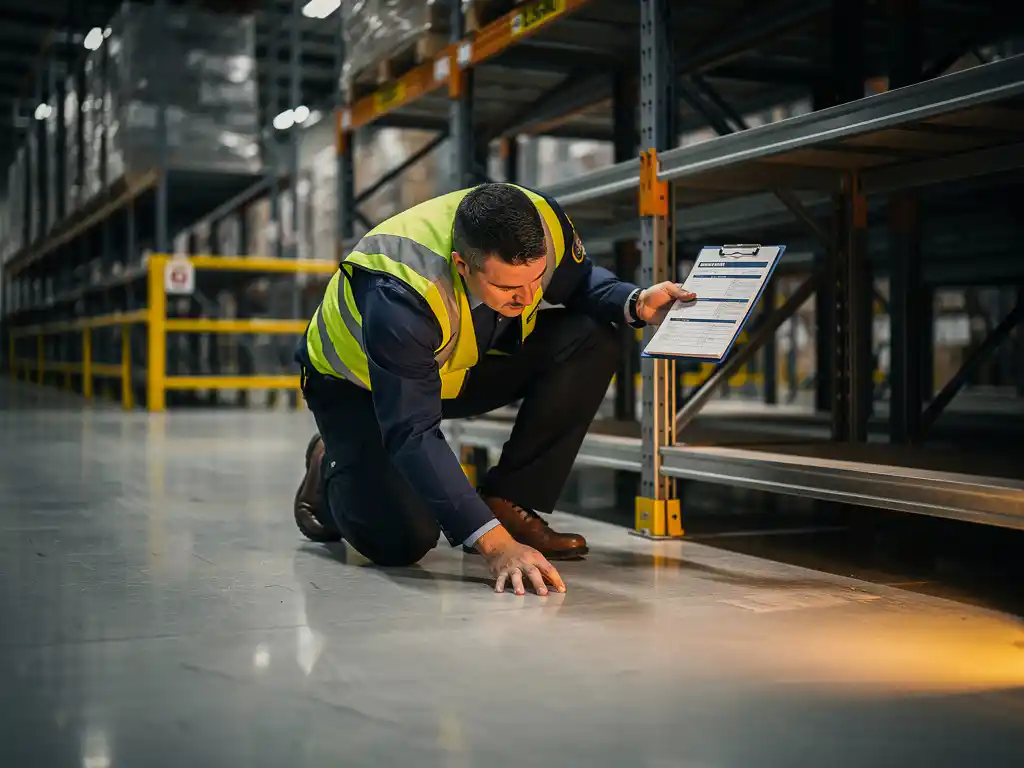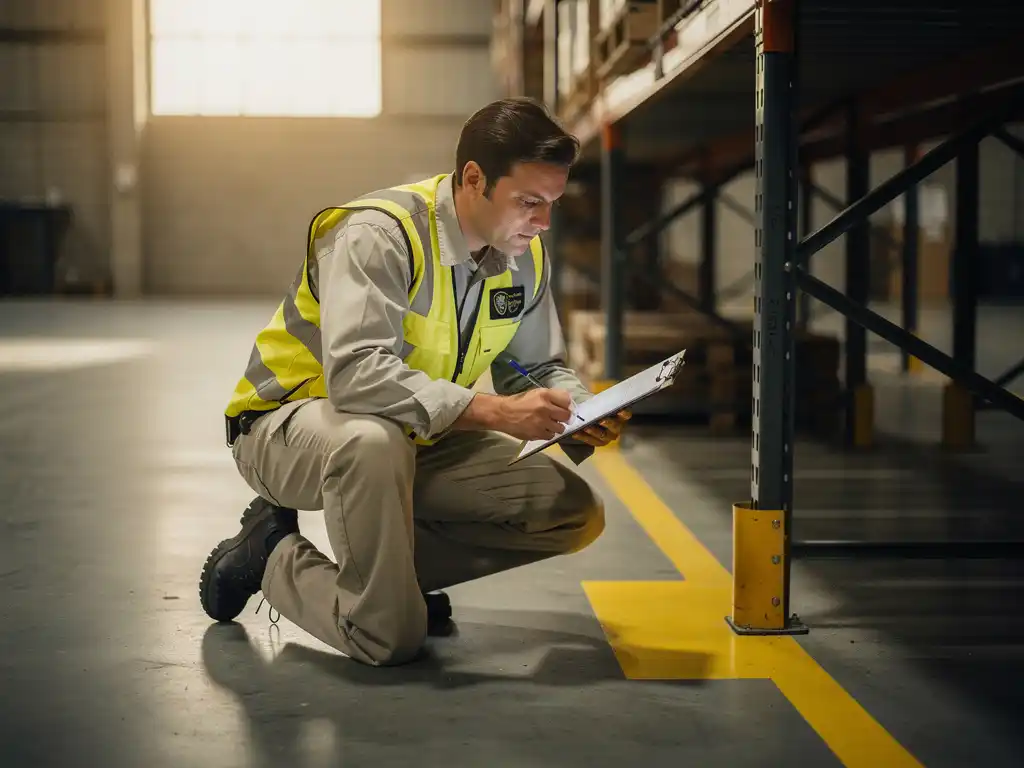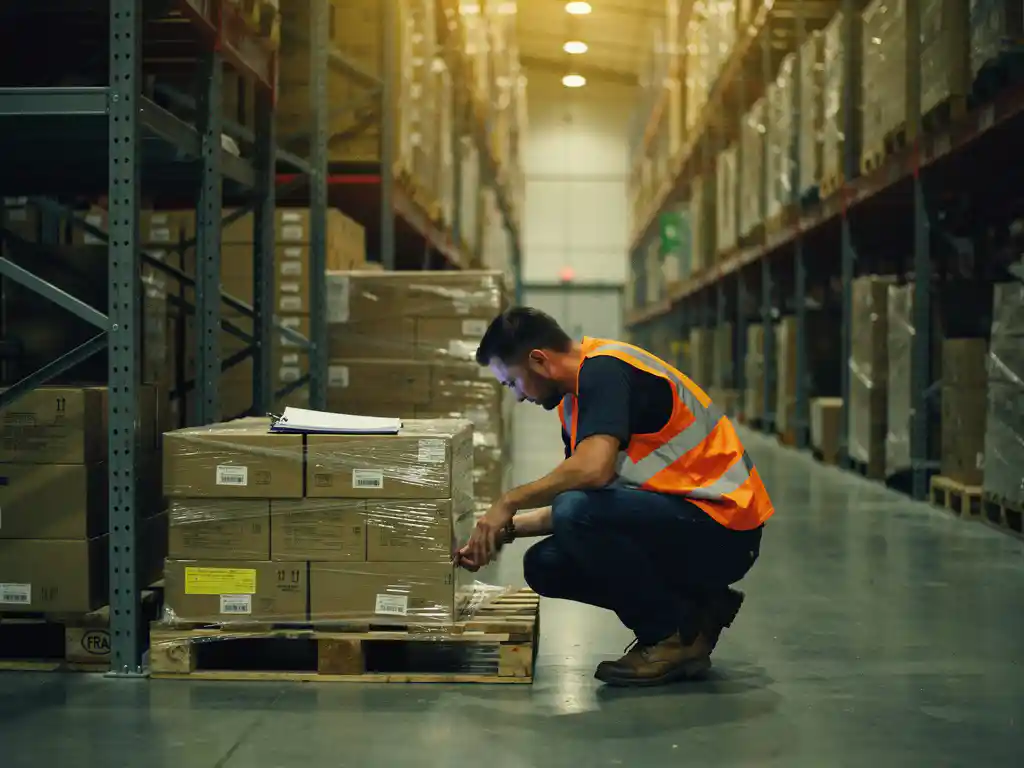
A workplace inspection checklist for logistics companies typically covers loading dock safety, equipment condition, fire exits, hazardous materials storage, PPE compliance, signage, and housekeeping standards. The exact contents depend on the size of the facility and the types of goods handled, but the goal is always the same: identify hazards before they cause incidents. The sections below break down the key components, responsibilities, and best practices for running effective workplace inspections in logistics.
What should a logistics workplace inspection checklist include?
A workplace inspection checklist for logistics companies should cover physical safety, equipment, emergency preparedness, and compliance with relevant regulations. The checklist acts as a structured walkthrough of the entire facility, ensuring nothing is overlooked during the inspection process. It should be specific enough to catch real hazards, but practical enough for frontline staff to complete without specialised training.
The most effective safety checklists for logistics environments typically include the following categories:
- Loading and unloading areas: Dock levellers, vehicle restraints, edge markings, and lighting conditions
- Forklift and equipment zones: Pedestrian barriers, speed limit signage, equipment inspection logs, and charging station safety
- Storage and racking: Load capacity labels, rack damage, aisle widths, and floor markings
- Fire safety: Extinguisher locations and expiration dates, sprinkler clearance, and emergency exit accessibility
- Hazardous materials: Correct labelling, storage segregation, and spill kit availability
- PPE compliance: Availability and condition of high-visibility vests, safety boots, gloves, and helmets
- Housekeeping: Floor cleanliness, clutter-free walkways, and waste disposal practices
- Signage and communication: Visible safety instructions, multilingual notices where relevant, and updated emergency contact information
Each item on the checklist should have a clear pass, fail, or action-required status, along with a space for notes and the name of the person responsible for any follow-up. Learn more about how digital workplace inspections can support this process.
How often should workplace inspections be conducted in logistics?
In logistics environments, workplace inspections should be conducted at least monthly, with daily or weekly checks for high-risk areas such as loading docks, forklift routes, and hazardous materials storage. The frequency depends on the volume of activity, the nature of the goods handled, and any regulatory requirements that apply to your sector or country.
A practical inspection schedule for most logistics operations looks like this:
- Daily: Quick visual checks of high-traffic areas, emergency exits, and equipment condition before shifts begin
- Weekly: Focused checks on racking integrity, PPE stocks, and fire safety equipment
- Monthly: Full facility walkthrough using the complete workplace inspection checklist
- Quarterly or annually: Formal audits, often involving external inspectors or health and safety officers, to review compliance with national regulations
After any incident or near-miss, an unscheduled inspection should take place immediately in the affected area. Similarly, when new equipment is introduced or the layout of the warehouse changes significantly, a targeted inspection is warranted before normal operations resume.
Who is responsible for carrying out a workplace inspection?
Responsibility for workplace inspections in logistics is typically shared between health and safety officers, team supervisors, and, in some cases, elected safety representatives. The specific structure depends on the size of the organisation, but the key principle is that inspections should never rely on a single person. Shared ownership leads to more consistent follow-through.
In practice, daily checks are usually the responsibility of shift supervisors or team leads who are already present on the floor. Monthly full-facility inspections are often coordinated by a dedicated health and safety officer or an operations manager. In larger logistics operations, a safety committee may oversee the inspection programme and review findings across sites.
Regardless of who carries out the inspection, the people completing the checklist need adequate training. They should know what a hazard looks like, understand the difference between a minor issue and an immediate risk, and be empowered to escalate concerns without bureaucratic delay. Involving frontline workers directly in the inspection process also tends to improve engagement with safety culture more broadly. Structured toolbox talks are an effective way to keep inspection knowledge fresh across the team.
What are the most common safety violations found in logistics inspections?
The most common safety violations found during logistics workplace safety inspections include blocked emergency exits, missing or expired fire extinguishers, damaged racking systems, inadequate PPE use, and poor housekeeping in high-traffic areas. These violations appear repeatedly across facilities of all sizes, which suggests they are systemic rather than accidental.
Some of the violations that inspectors flag most frequently include:
- Blocked fire exits and emergency routes: Often caused by temporary storage that becomes permanent over time
- Damaged or overloaded racking: A serious structural risk that is easy to miss without a systematic check
- Inadequate pedestrian and vehicle separation: Faded floor markings or missing barriers in forklift zones
- PPE non-compliance: Workers not wearing required protective equipment, often because it is uncomfortable, unavailable, or poorly communicated
- Incomplete equipment inspection records: Forklifts and pallet jacks in use without documented pre-shift checks
- Improper hazardous materials storage: Incompatible substances stored together, or missing safety data sheets
Many of these violations are preventable with consistent training and clear communication. When workers understand the reasoning behind a safety rule, compliance tends to improve significantly compared to environments where rules are posted but never explained. Clear work instructions play an important role in closing that gap.
How can logistics teams make inspection results actionable?
Logistics teams can make workplace inspection results actionable by assigning a named owner to every identified issue, setting a clear deadline for resolution, and tracking progress through a centralised system. An inspection that produces a report nobody reads is worse than no inspection at all, because it creates a false sense of security.
The steps that turn inspection findings into real improvements are straightforward:
- Categorise findings by urgency: Immediate risks must be addressed before the next shift; lower-priority issues can be scheduled for the coming days or weeks
- Assign ownership: Every action item needs a named person responsible for resolving it, not just a department or team
- Set deadlines: Vague timelines lead to delayed action; specific dates create accountability
- Communicate findings to the team: Share relevant results with the workers in the affected area so they understand what was found and what is being done
- Follow up at the next inspection: Carry unresolved items forward and review whether previous actions were completed
- Identify patterns over time: If the same violation appears month after month, the root cause is a process or training gap, not a one-off mistake
Communicating inspection outcomes to frontline staff is often the step that gets skipped. When workers see that their environment improves as a result of inspections, they become more likely to report hazards proactively, which strengthens the entire safety system. Building a culture of retaining and maintaining knowledge ensures that safety awareness does not fade between inspection cycles.
How E-Lia helps with logistics workplace safety
Keeping a logistics workforce up to date on safety procedures is a continuous challenge, especially in environments with high turnover, multilingual teams, and shift-based schedules. We built E-Lia specifically to make that kind of ongoing training practical and accessible, without requiring workers to log into a platform or sit through long training sessions.
Here is how E-Lia supports logistics workplace safety and inspection readiness:
- Microlearning via WhatsApp: Safety instructions, PPE reminders, and inspection procedures are delivered directly to workers’ phones through a channel they already use
- No app or login required: Workers receive and complete training without any technical barriers, which is particularly valuable for frontline and non-desk employees
- Multilingual support: Automatic translations mean every team member receives safety information in their own language, reducing misunderstandings in diverse teams
- Quick module creation: Building a safety checklist walkthrough or a refresher on PPE compliance takes an average of 10 to 15 minutes, and workers complete it in 3 to 6 minutes
- Progress tracking: A clear dashboard shows who has completed each module, so you know exactly where knowledge gaps exist before the next inspection
- Scheduled delivery: Modules can be sent automatically before a shift, after a safety incident, or as part of a regular training cycle
E-Lia also supports structured onboarding for new logistics employees, ensuring safety knowledge is embedded from day one. If your operation handles food or regulated goods, our HACCP training modules provide an accessible way to meet compliance requirements without lengthy classroom sessions.
If you want to see how this works in practice for a logistics team, plan a free demo to discuss what a rollout could look like for your organisation.
Frequently Asked Questions
Can we use the same inspection checklist across multiple warehouse sites?
A core checklist can be standardised across sites to ensure baseline compliance, but each location should have site-specific additions that reflect its unique layout, equipment, and goods handled. For example, a facility storing hazardous chemicals will need additional sections that a general parcel depot does not. Start with a universal template and build in a local customisation layer that site managers can adapt without losing consistency in reporting.
What's the best way to get frontline workers to take inspections seriously?
The most effective approach is to involve workers in the inspection process rather than having it done to them. When team members help identify hazards and see those hazards actually get fixed, inspections stop feeling like a compliance exercise and start feeling useful. Short, regular safety reminders delivered through familiar channels — like WhatsApp — can also reinforce the reasoning behind inspection items, which tends to drive better buy-in than a poster on a wall.
How should we handle a situation where a serious hazard is found mid-shift?
Any immediate risk — such as a damaged rack under load, a blocked fire exit, or a chemical spill — should trigger a stop-work response for the affected area before the shift continues. The hazard should be reported to a supervisor immediately, the area cordoned off if necessary, and an unscheduled inspection carried out once the immediate risk is resolved. Document the finding, the action taken, and the timeline in your safety log, and use the incident as a trigger for a broader review of similar conditions elsewhere in the facility.
What's a realistic way to manage inspection follow-up without adding a lot of administrative burden?
The key is to keep the follow-up system as simple as the inspection itself. A shared spreadsheet or a basic task management tool with named owners and due dates is often enough for small to mid-sized operations. The critical habit is carrying unresolved items forward to the next inspection automatically, so nothing falls through the cracks. If your team is already using digital tools for operations, integrating inspection tracking into those existing systems reduces friction significantly.
Are there specific regulations logistics companies need to comply with when conducting workplace inspections?
Regulatory requirements vary by country and sector, but most jurisdictions require logistics employers to conduct regular risk assessments and maintain documented evidence of safety checks. In the EU, the Framework Directive 89/391/EEC sets the baseline for employer obligations around workplace safety, while national bodies such as the Dutch ISZW or the UK’s HSE provide sector-specific guidance. It’s worth consulting your local health and safety authority or an occupational health specialist to confirm which regulations apply to your specific operation, particularly if you handle hazardous goods or operate across multiple countries.
How do we make sure safety knowledge actually sticks after an inspection training session?
One-off training sessions rarely produce lasting behaviour change, especially in high-turnover logistics environments. Spaced repetition — delivering short reminders and refreshers at regular intervals after the initial training — is far more effective than a single long session. Microlearning modules sent before shifts or after incidents keep safety knowledge active without overwhelming workers, and progress tracking helps you identify who needs a follow-up before the next formal inspection.
How do we handle workplace inspections when we have a multilingual workforce?
Language barriers are one of the most underestimated safety risks in logistics, particularly when inspection findings, hazard warnings, or corrective actions are only communicated in one language. All safety-critical information — including checklist items, signage, and follow-up communications — should be available in the languages your workforce actually uses. Automated translation tools and multilingual training delivery can make this practical at scale, ensuring every worker understands what is expected of them regardless of their language background.