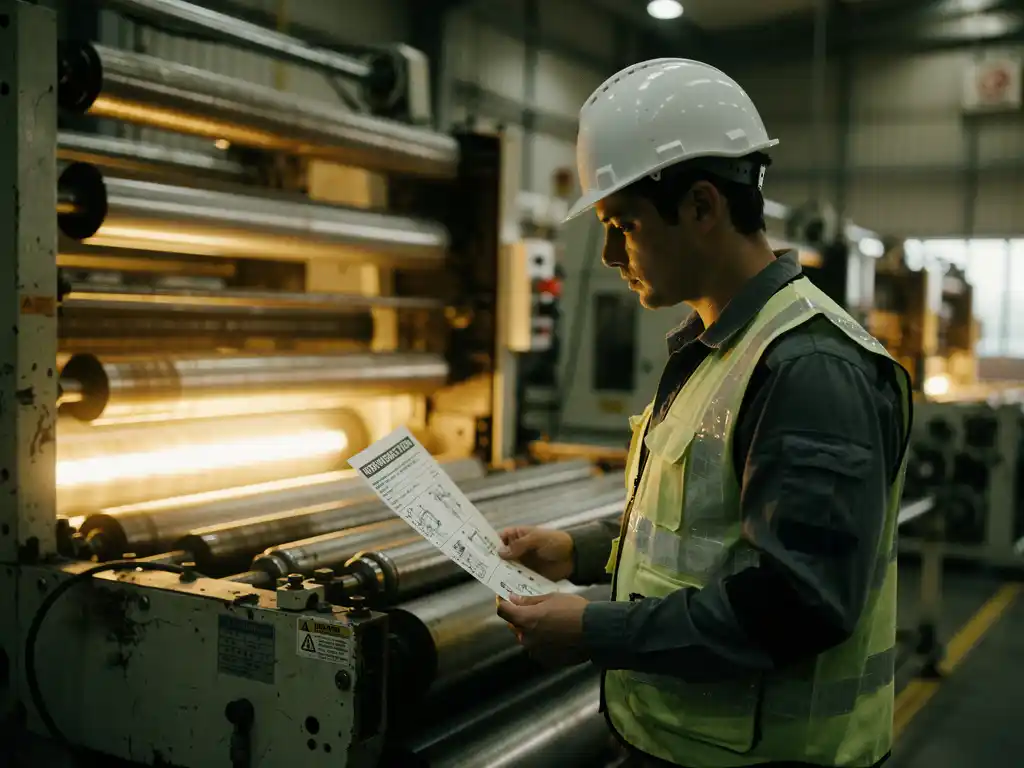


The most effective way to involve employees in workplace inspections is to treat them as active contributors rather than passive subjects. When workers understand the purpose of an inspection, feel prepared for it, and see their input reflected in outcomes, participation shifts from reluctant compliance to genuine engagement. This article walks through the most common questions managers and safety leads ask when building that kind of employee involvement, from overcoming resistance to measuring long-term progress. If you want to learn more about how we support this process, feel free to book a free demo with us.
Why do employees resist participating in workplace inspections?
Employees resist workplace inspections primarily because they associate them with blame, punishment, or disruption to their daily work. When inspections feel like surveillance rather than support, workers instinctively become defensive or disengaged. Understanding the root causes of this resistance is the first step towards building a stronger safety culture where participation feels natural.
The most common reasons for resistance include:
- Fear of consequences: Workers worry that flagging a hazard or making a mistake during an inspection will lead to disciplinary action against themselves or a colleague.
- Lack of clarity: When employees do not understand what an inspection involves or why it is happening, uncertainty breeds avoidance.
- Past negative experiences: If previous inspections led to additional workload without visible improvements, employees stop seeing the point.
- Feeling excluded from the process: Workers who are only told about inspection results after the fact, rather than consulted during the process, quickly disengage.
Addressing resistance means shifting the framing. Inspections should be positioned as a shared effort to improve working conditions, not a top-down audit. When employees trust that their observations are welcomed and acted upon, resistance decreases noticeably.
What does meaningful employee involvement in inspections actually look like?
Meaningful employee involvement in workplace inspections means workers actively contribute to identifying hazards, suggesting improvements, and following up on findings, rather than simply being present during a walkthrough. It is the difference between an employee who points out a loose cable because they know it matters and one who stays quiet to avoid attention.
In practice, meaningful involvement includes several concrete behaviours:
- Frontline workers are consulted before inspections to identify areas of concern from their daily experience.
- Employees participate in the inspection itself, either as part of a small inspection team or as a named contact for a specific area.
- Workers receive feedback on what was found and what actions are being taken as a result.
- Employees are encouraged to raise safety observations between formal inspections, not only during scheduled events.
The goal is to build a workplace safety culture where inspection participation is a normal part of how work is done, not an occasional disruption. This requires consistent communication, visible follow-through, and genuine respect for the knowledge that frontline workers bring to the table.
How can managers prepare employees before an inspection takes place?
Managers can prepare employees before a workplace inspection by communicating the purpose clearly, explaining what to expect, and giving workers a simple way to flag concerns in advance. Preparation reduces anxiety, increases cooperation, and often surfaces useful information that improves the inspection itself.
A practical preparation approach includes the following steps:
- Announce the inspection early: Give employees enough notice to feel informed, not ambushed. A brief message explaining the date, scope, and purpose is enough.
- Explain the why: Be specific about what the inspection is looking at and why it matters for the team. Vague communication fuels rumour and resistance.
- Invite input in advance: Ask workers if there are areas or issues they think should be reviewed. This signals that their knowledge is valued.
- Run a short pre-inspection briefing: A five-minute toolbox talk or a brief digital message covering key points helps employees feel ready rather than caught off guard.
- Clarify roles: If certain employees will be asked to walk alongside the inspector or answer questions, let them know in advance so they can prepare.
Preparation is not about coaching employees to present a false picture. It is about ensuring that workers understand the process well enough to contribute to it honestly and confidently.
Which communication methods work best for multilingual or frontline teams?
For multilingual or frontline teams, the most effective communication methods are short, visual, and delivered through channels workers already use in their daily lives. Long written documents, intranet posts, or email chains are consistently ineffective for workers who are on the floor, on the move, or working in a language that is not their first.
Formats that consistently work well for these teams include:
- Microlearning modules: Short, focused pieces of content that explain a single concept, such as what to expect during a workplace inspection, in three to six minutes. These can be completed during a break or at the start of a shift without disrupting workflow.
- Multilingual content: Providing inspection-related instructions and safety updates in each worker’s own language removes a significant barrier to understanding and participation.
- Messaging-based delivery: Sending updates and training through a platform workers already have on their phone, such as WhatsApp, removes the friction of logging into a separate system. This is especially valuable for frontline teams who do not work behind a desk.
- Visual formats: Diagrams, short videos, and illustrated checklists communicate safety information more reliably than text-heavy documents, particularly for workers with lower literacy levels or limited language proficiency.
The key principle is to meet workers where they are, both physically and linguistically. Communication that requires extra steps or a high reading level will not reach the people who need it most.
How do you keep employees engaged after the inspection is done?
Employees stay engaged after a workplace inspection when they can see that their participation made a difference. The single biggest driver of disengagement is silence after the event. When workers contribute to an inspection and then hear nothing about what was found or changed, they quickly conclude that their involvement was pointless.
Practical steps to maintain engagement after an inspection include:
- Share findings promptly: Communicate what the inspection identified, even if the findings are minor. Transparency builds trust.
- Close the loop on actions: When a worker flagged an issue and it has been resolved, let them know. This directly connects their participation to a real outcome.
- Acknowledge contributions publicly: Recognising teams or individuals who contributed useful observations reinforces the behaviour you want to see repeated.
- Schedule a brief follow-up: A short team conversation or a quick digital update a week or two after the inspection keeps the topic alive and signals ongoing commitment.
- Use findings to inform future training: If an inspection revealed a knowledge gap, address it with targeted training. This shows employees that inspections lead to support, not just scrutiny. Platforms designed for retaining and maintaining knowledge can make this follow-up training easy to deliver.
Sustained engagement is built through consistent follow-through. When employees trust that inspections lead to visible improvements, participation in the next one requires far less effort to encourage.
How do you measure whether employee involvement in inspections is improving?
You can measure whether employee involvement in workplace inspections is improving by tracking a combination of participation rates, the quality of contributions, and follow-up behaviour over time. Numbers alone do not tell the full story, but they provide a useful baseline for identifying trends and gaps.
Useful indicators to track include:
- Participation rate: What percentage of employees in a given area or team actively participated in the most recent inspection, compared to previous cycles?
- Number of employee-initiated observations: Are workers raising hazards or concerns between formal inspections, not just during them? An increase suggests growing safety awareness.
- Quality of pre-inspection input: Are the advance observations from workers becoming more specific and actionable over time?
- Training completion rates: If you use pre-inspection briefings or microlearning modules to prepare employees, tracking completion gives you a leading indicator of how informed workers are before the inspection takes place.
- Follow-up action closure rate: How quickly and completely are inspection findings being resolved? Slow closure often signals that employees and managers are not treating inspection outcomes as a shared priority.
Measuring involvement is not about creating bureaucracy. It is about having enough data to have an honest conversation about whether your approach is working and where it needs to improve.
How E-Lia helps with employee involvement in workplace inspections
We built E-Lia specifically for teams where traditional training and communication methods fall short. For organisations that need to prepare frontline, multilingual, or dispersed workers for workplace inspections, our platform delivers exactly the kind of short, accessible, and trackable content that drives real engagement.
Here is what we offer in practice:
- Microlearning modules via WhatsApp: We deliver pre-inspection briefings, safety instructions, and toolbox talk content directly to employees’ phones through WhatsApp, with no app download or login required.
- Automatic multilingual translation: Employees receive content in their own language, removing the language barrier that often prevents full participation in safety processes.
- Fast content creation: Building a module takes an average of 10 to 15 minutes, so managers and safety leads can create timely, relevant content without a large time investment.
- Progress tracking dashboard: We give you a clear overview of who has completed which modules, so you know exactly how prepared your team is before an inspection takes place.
- Flexible scheduling: Modules can be sent immediately or planned in advance, making it easy to time communication around your inspection calendar.
If you want to see how this works for your organisation, plan a free demo and we will walk you through the platform together.
Frequently Asked Questions
How many employees should be included in a workplace inspection team?
There is no fixed number, but a practical inspection team typically includes one manager or safety lead, one or two frontline workers from the area being inspected, and optionally a worker representative or union delegate. The key is to ensure that at least one team member has daily, hands-on experience in the area under review. Larger teams can slow the process down and reduce focus, so keeping the group small and purposeful tends to produce better results.
What should we do if employees raise hazards during an inspection that we cannot fix immediately?
Acknowledge the issue openly and communicate a realistic timeline for resolution rather than staying silent. Even if a fix requires budget approval or a longer process, telling the worker 'we have logged this, it is being reviewed, and here is the expected next step' is far more effective than no response at all. Temporary interim measures, such as a warning sign or a process adjustment, can also demonstrate that the concern has been taken seriously while a permanent solution is arranged.
How often should workplace inspections involve employees, and is there a risk of over-inspecting?
The right frequency depends on your industry, risk level, and the size of your team, but most organisations benefit from monthly or quarterly structured inspections with employee involvement, supplemented by informal, ongoing hazard reporting in between. Over-inspecting is rarely the real problem; under-following-up is. If employees see that every inspection leads to action and communication, frequency becomes less of an issue than consistency and follow-through.
How do we handle situations where employees are reluctant to speak up even during the inspection itself?
Create low-pressure opportunities for input that do not require employees to speak up in a group setting. Anonymous digital reporting tools, one-on-one conversations before or after the walkthrough, or a simple pre-inspection form where workers can submit observations privately all help surface concerns from quieter team members. Over time, as employees see that speaking up leads to positive outcomes rather than consequences, voluntary participation in the inspection itself tends to increase naturally.
Can microlearning really prepare employees for a workplace inspection, or is face-to-face training always better?
Microlearning is highly effective for pre-inspection preparation precisely because it is short, flexible, and accessible on the devices workers already carry. A five-minute module explaining what an inspection involves, what to expect, and how to contribute can be completed during a break without pulling workers off the floor. Face-to-face training remains valuable for complex skills or high-risk procedures, but for building awareness and reducing inspection anxiety, microlearning delivered through familiar channels like WhatsApp consistently outperforms longer, scheduled sessions that many frontline workers cannot easily attend.
What is the biggest mistake organisations make when trying to improve employee involvement in inspections?
The most common mistake is focusing entirely on the inspection event itself while neglecting what happens before and after it. Organisations invest in checklists and walkthrough procedures but fail to communicate the purpose to workers in advance or share findings and actions afterward. Without that before-and-after structure, even a well-run inspection feels like a one-way process to employees, which is exactly the dynamic that drives disengagement. Sustainable involvement is built through the full cycle, not just the day of the inspection.
How do we get buy-in from middle managers who see employee involvement in inspections as extra work?
Frame employee involvement as a tool that makes the manager's job easier, not harder. When frontline workers actively flag hazards and contribute observations, managers spend less time chasing down information and are less likely to be caught off guard by issues that have been brewing unnoticed. Sharing data that links higher employee involvement to faster issue resolution and fewer repeat findings also helps make the business case concrete. Starting with a small pilot in one team or area and documenting the results is often the most effective way to shift sceptical managers from resistance to advocacy.