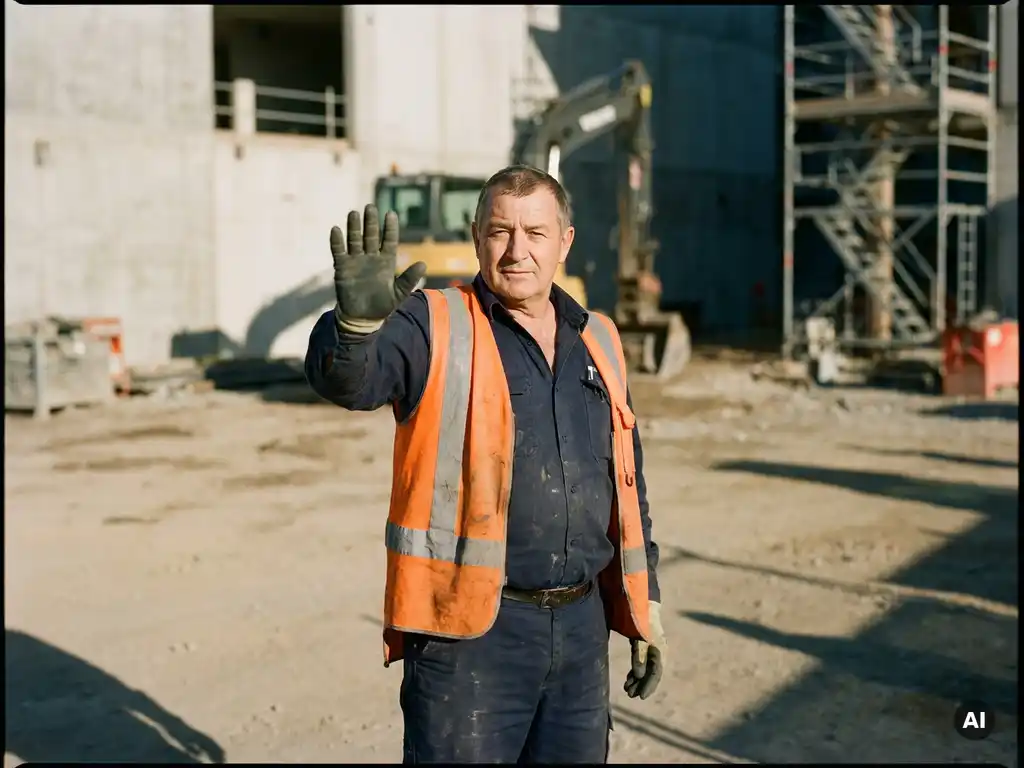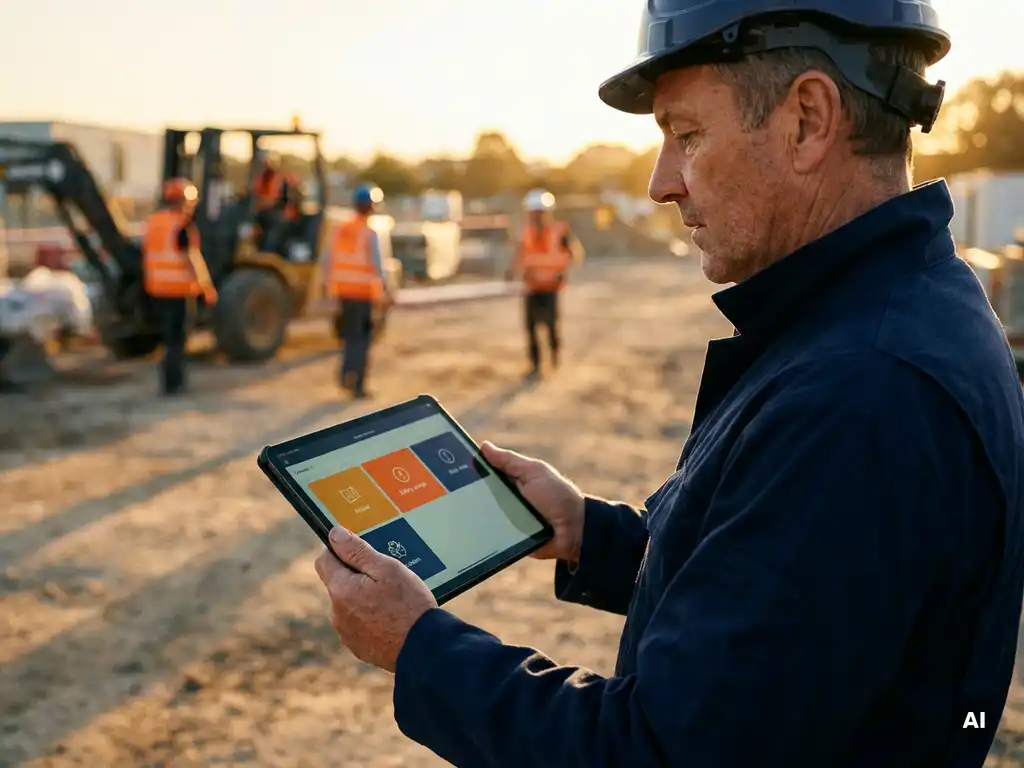
Before a production employee starts working, they must receive safety instructions covering emergency procedures, hazard identification, personal protective equipment (PPE), machine safety, and site-specific risks. These requirements are not optional — they are grounded in legal obligations under occupational health and safety legislation and apply to every new hire, regardless of role or experience level. The sections below break down exactly what those requirements look like, how they vary by sector, and how to deliver and document them effectively.
What safety topics must be covered before a production employee starts working?
Before a production employee begins any hands-on work, safety onboarding must cover emergency evacuation routes, fire safety, hazard communication, PPE requirements, machine guarding, incident reporting procedures, and the location of first aid equipment. These core topics form the baseline of workplace safety onboarding in any production environment and should be addressed on day one, before the employee touches any equipment.
Beyond these basics, the onboarding should also include:
- Risk assessments relevant to the employee’s specific work area
- Chemical handling and storage procedures, if applicable
- Manual handling techniques to prevent musculoskeletal injuries
- Rules around restricted areas and access control
- Reporting lines for safety concerns and near-miss incidents
The goal is to ensure that a new employee can identify risks, respond correctly in an emergency, and operate safely before they become fully productive. Skipping or rushing these topics creates liability for the employer and genuine danger for the worker.
Which safety instructions are legally required by law for production workers?
In most jurisdictions, employers are legally required to provide production workers with documented safety instructions covering workplace hazards, safe working methods, emergency procedures, and PPE use before they begin work. In the Netherlands, this obligation falls under the Arbeidsomstandighedenwet (Arbo-wet), whilst EU-wide directives such as the Framework Directive 89/391/EEC set minimum standards across member states.
Key legal requirements typically include:
- Risk Inventory and Evaluation (RI&E): Employers must have a documented assessment of workplace risks, and new employees must be informed of relevant findings
- Instruction on safe work methods: Workers must receive task-specific safety guidance before operating machinery or handling hazardous materials
- PPE provision and training: Employers must supply appropriate protective equipment and explain how and when to use it
- Emergency response information: Evacuation plans, assembly points, and first aid procedures must be communicated
- Signed acknowledgement: In many regulated sectors, employees must confirm in writing that they received and understood the safety instructions
Non-compliance can result in fines, operational shutdowns, and legal liability in the event of an accident. Staying current with sector-specific regulations is essential, as industries like chemicals, food processing, and heavy manufacturing often carry additional mandatory requirements on top of general legislation.
How does safety onboarding differ between production sectors?
Safety onboarding in production varies significantly by sector because the hazard profiles are fundamentally different. A food processing facility prioritises hygiene protocols and allergen handling, whilst a metal fabrication plant focuses on machinery guarding and heat exposure. The legal baseline is the same, but the content, depth, and emphasis of safety training must reflect the specific risks of each environment.
Manufacturing and heavy industry
In manufacturing, safety onboarding typically centres on machine safety, lockout/tagout procedures, noise exposure, and chemical handling. Employees often need certification or documented competency before operating specific equipment, and PPE requirements tend to be more extensive than in lighter production environments.
Food production and processing
Food production adds a layer of hygiene and contamination control to standard safety requirements. New employees must be trained on HACCP principles, personal hygiene standards, allergen awareness, and cleaning procedures alongside conventional hazard and emergency training. Regulatory bodies often audit these records directly. Learn more about how structured HACCP training can support your food production onboarding process.
Logistics and warehousing
In logistics environments, forklift and vehicle safety, manual handling, and racking system awareness are central to onboarding. Pedestrian and vehicle segregation is a critical topic, and employees working in temperature-controlled environments need additional guidance on cold exposure risks.
What’s the difference between general safety induction and job-specific safety training?
A general safety induction covers the rules and procedures that apply to everyone on site, regardless of their role. Job-specific safety training goes deeper, addressing the particular hazards, equipment, and procedures tied to an individual’s actual tasks. Both are required, but they serve different purposes and should never be treated as interchangeable.
The general induction typically includes site rules, emergency exits, fire procedures, first aid locations, and reporting structures. It is usually delivered to all new starters on their first day and gives them the knowledge to move around the site safely before they begin work.
Job-specific training, by contrast, is tailored to the employee’s actual role. A machine operator needs hands-on instruction for every piece of equipment they will use. A warehouse picker needs training on manual handling techniques specific to the loads they will carry. This training is often delivered by a supervisor or team leader and should be documented separately from the general induction. Structured work instructions can help ensure consistency in how job-specific guidance is delivered and recorded.
A common mistake is treating the induction as sufficient and skipping the job-specific layer. This gap is where many workplace accidents occur, because employees know the general rules but lack the specific knowledge to work safely in their actual environment.
How should safety instructions be delivered to production employees?
Safety instructions for production employees are most effective when delivered in short, clear formats that match how people actually work on the floor. Long classroom-style sessions are often poorly retained, especially for workers with limited time, language barriers, or low digital literacy. The delivery method should match the complexity of the content and the reality of the work environment.
Effective delivery approaches include:
- Microlearning modules: Short, focused lessons on a single topic are easier to absorb and can be completed in a few minutes during a shift break
- On-the-job demonstrations: Practical walkthroughs with a supervisor reinforce written or digital instructions with direct experience
- Visual aids and signage: Posters, floor markings, and equipment labels support ongoing awareness beyond the initial training
- Multilingual content: In diverse workforces, translating safety materials into employees’ native languages significantly improves comprehension and compliance
- Spaced repetition: Revisiting key safety topics at intervals after the initial onboarding helps embed knowledge and correct gaps before they become habits
Timing also matters. Delivering all safety information in one long session on day one leads to cognitive overload. Spreading production employee safety training across the first week, with follow-up check-ins, produces better retention and more confident workers. Regular toolbox talks are an effective way to reinforce key safety messages throughout the working week. Structured workplace inspections can also help identify gaps in safety knowledge and flag areas where additional training is needed.
How do you track and prove that safety onboarding was completed?
Tracking and proving safety onboarding completion requires a documented record for each employee that shows which topics were covered, when the training took place, and that the employee confirmed their understanding. This documentation is essential for regulatory compliance, insurance purposes, and defending against liability claims in the event of an incident.
A reliable tracking system should capture:
- The name of the employee and their start date
- A list of modules or topics completed, with timestamps
- Assessment results or confirmation of understanding, where required
- The name of the trainer or supervisor who delivered job-specific instruction
- A signed or digitally confirmed acknowledgement from the employee
Paper-based systems are still used in many production environments but carry significant risks: records get lost, updates are inconsistent, and auditing becomes time-consuming. Digital tracking through a learning management system or an integrated platform provides a clear audit trail that can be accessed and exported quickly when needed.
For organisations with high turnover or large seasonal workforces, automating the onboarding tracking process is particularly valuable. It removes the risk of human error in record-keeping and ensures that no new starter begins work without completing the required mandatory safety instructions onboarding steps. A well-designed onboarding system also supports long-term knowledge retention, which is where tools focused on retaining and maintaining knowledge can make a measurable difference.
How E-Lia helps with safety onboarding for production employees
We built E-Lia specifically to make training like this practical for organisations where employees are on the floor, not behind a desk. With E-Lia, you can deliver structured manufacturing onboarding safety content directly via WhatsApp, with no app to download and no login required. That means new production employees can complete their safety onboarding on their own phone, in their own language, in the minutes between tasks.
Here is what E-Lia makes possible for safety onboarding:
- Build modules in 10 to 15 minutes covering specific safety topics, from PPE use to emergency procedures
- Send content automatically based on start date, so new starters receive the right information at the right moment
- Support multilingual teams with automatic translations, ensuring every employee receives safety instructions in their own language
- Track completion in real time through a clear dashboard that shows who has finished which modules and when
- Create a documented audit trail that proves compliance with onboarding safety requirements for inspections or incident reviews
Organisations like Erasmus MC and ETZ already use our platform to onboard and train their teams efficiently. If you want to see how E-Lia can work for your production environment, plan a demo and we will walk you through it.
Frequently Asked Questions
How long should safety onboarding take for a new production employee?
There is no single required duration, but effective safety onboarding should be spread across at least the first week rather than compressed into a single day-one session. A general induction covering site rules and emergency procedures typically takes one to two hours, whilst job-specific training may require additional hours or days depending on the complexity of the equipment and tasks involved. Cognitive overload from back-to-back training is a real risk, so breaking content into shorter sessions improves retention and gives employees time to absorb and apply what they have learnt.
What should I do if a new employee starts work before their safety onboarding is fully completed?
This is a situation to avoid wherever possible, as it creates direct legal liability for the employer and puts the worker at genuine risk. If circumstances make a staggered start unavoidable, the employee should be restricted to tasks that carry minimal hazard until all relevant training is completed and documented. Any partial completion should still be recorded, and the remaining modules must be scheduled and completed as soon as possible — ideally within the first day or two. Never allow an employee to operate machinery or handle hazardous materials before the relevant job-specific training has been delivered and confirmed.
How often should safety training be refreshed for existing production employees?
Refresher training frequency depends on the nature of the hazards, regulatory requirements in your sector, and whether any changes have occurred in the workplace — such as new equipment, updated procedures, or incident history. As a general rule, core safety topics should be revisited at least annually, whilst high-risk areas like chemical handling or machine operation may require more frequent review. Refreshers are also mandatory whenever a significant change in working conditions occurs, and they should be documented in the same way as initial onboarding to maintain a complete compliance record.
How do I handle safety onboarding for employees who have limited literacy or speak a different language?
Language and literacy barriers are common in production environments and must be actively addressed rather than assumed away. Effective approaches include delivering safety content in the employee’s native language, using visual formats such as illustrated instructions, short videos, and pictogram-based signage, and pairing new starters with a bilingual buddy or supervisor for on-the-job walkthroughs. Verbal confirmation of understanding is not sufficient on its own — always supplement it with translated written or digital materials and document that the employee received content in a language they understand.
What are the most common mistakes employers make with production safety onboarding?
The most frequent mistakes are treating the general induction as the only layer of training needed, failing to document completion properly, and delivering all content in a single overwhelming session on day one. Many employers also neglect to update their onboarding materials when processes or equipment change, leaving employees trained on outdated procedures. Another common gap is not following up after the initial training — onboarding should include scheduled check-ins during the first weeks to catch misunderstandings before they turn into unsafe habits or incidents.
Can a new production employee refuse to sign the safety acknowledgement form?
An employee can decline to sign, but this creates a significant compliance and liability issue for the employer and should be addressed directly rather than ignored. Start by understanding the reason — it may be a language barrier, a misunderstanding about what signing means, or a genuine concern about the content. If the employee has substantive safety concerns, those must be taken seriously and addressed. If refusal persists without valid reason, document the situation thoroughly, involve HR, and do not allow the employee to begin work in hazardous areas until the matter is resolved, as the employer’s duty of care remains regardless of whether a signature is obtained.
What is the difference between a safety induction and a safety instruction under Dutch law (Arbo-wet)?
Under the Arbo-wet, employers have a specific legal obligation to provide workers with clear instructions (voorlichting en onderricht) on the risks present in the workplace and the measures taken to control them — this goes beyond a general welcome induction. A safety induction is typically an operational introduction to the site, whereas a safety instruction under the Arbo-wet must be tied to the specific risks identified in the organisation’s Risk Inventory and Evaluation (RIu0026E) and must be comprehensible to the employee. In practice, both should be delivered and documented, but the legally mandated instruction must be demonstrably linked to the actual hazards the employee will encounter in their role.