

You can combine toolbox meetings with workplace inspections by using the inspection findings as direct input for your toolbox talk. Run the inspection first, identify the key hazards or procedural gaps, and then immediately brief your team on those findings in a short, focused safety toolbox meeting. This approach turns two separate activities into one connected safety loop, making both more relevant and actionable. The sections below walk through how to structure this process, what to cover, and how to document it effectively.
What is the difference between a toolbox meeting and a workplace inspection?
A toolbox meeting is a short, informal safety briefing where a team discusses a specific hazard, procedure, or safety topic before or during a shift. A workplace inspection is a structured walkthrough of a work area to identify physical hazards, non-compliance, and unsafe conditions. The key difference is that a toolbox talk is conversation-based and preventive, while a workplace safety inspection is observation-based and diagnostic.
Both tools serve workplace safety, but they work at different levels. A safety inspection checklist helps you find what is wrong in the physical environment: blocked emergency exits, missing PPE, faulty equipment, or incorrect storage. A toolbox talk then addresses the human side: awareness, behaviour, and understanding of procedures.
Inspections produce findings. Toolbox meetings respond to those findings. When used together, they create a cycle where problems are identified, discussed, and resolved rather than simply logged and forgotten.
Why should toolbox meetings and workplace inspections be combined?
Combining toolbox meetings and workplace inspections makes safety communication more relevant and timely. When a toolbox talk is based on real findings from a recent inspection, employees immediately see the connection between the discussion and their actual work environment. This relevance increases engagement and improves the likelihood that safe behaviours are adopted and maintained.
There are several practical reasons to combine both activities:
- Relevance: Topics are grounded in real, current hazards rather than generic safety themes
- Efficiency: One connected process saves time compared to running two entirely separate activities
- Accountability: Teams hear about the findings directly, which creates shared ownership of corrective actions
- Retention: People remember safety information better when it is tied to something concrete they can see or have recently experienced
- Compliance: Documentation from both the inspection and the meeting provides a stronger audit trail
In sectors like logistics, manufacturing, and healthcare, where conditions change frequently and teams are large, this combined approach also reduces the risk of important safety information getting lost between inspection reports and actual team briefings.
How do you structure a combined toolbox meeting and inspection?
A combined toolbox meeting and workplace inspection follows a three-phase structure: inspect first, brief second, and assign actions third. The inspection generates the content for the meeting, and the meeting turns that content into team awareness and clear responsibilities. This sequence ensures the toolbox talk is always grounded in current, site-specific findings.
Phase 1: Conduct the inspection
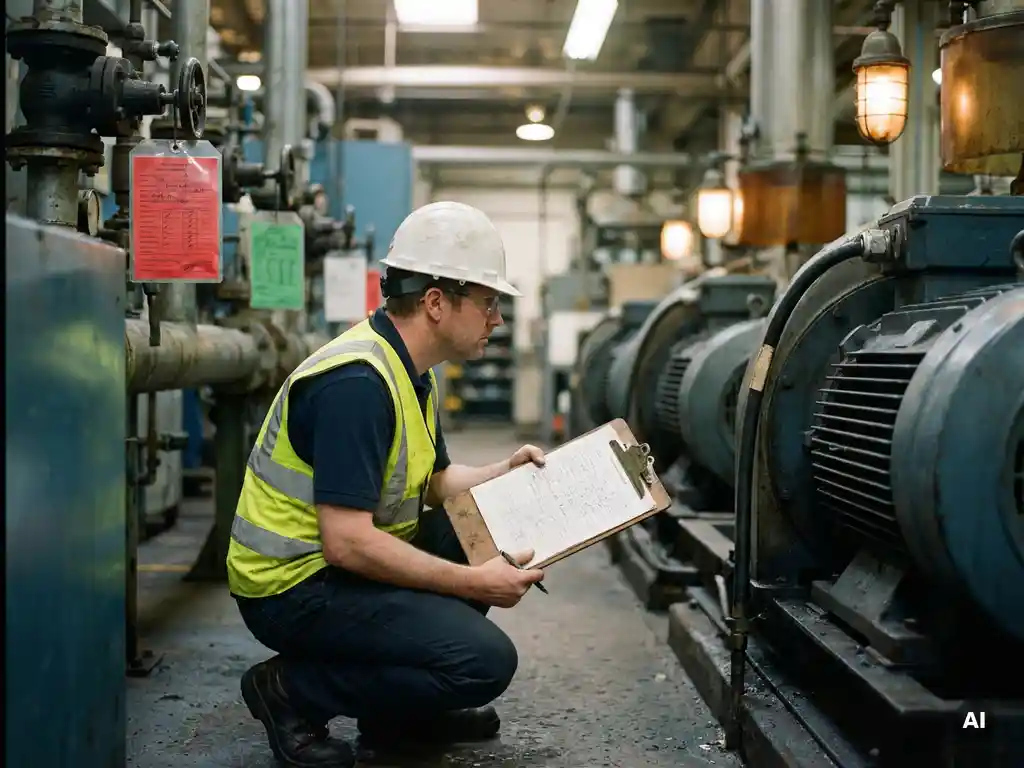
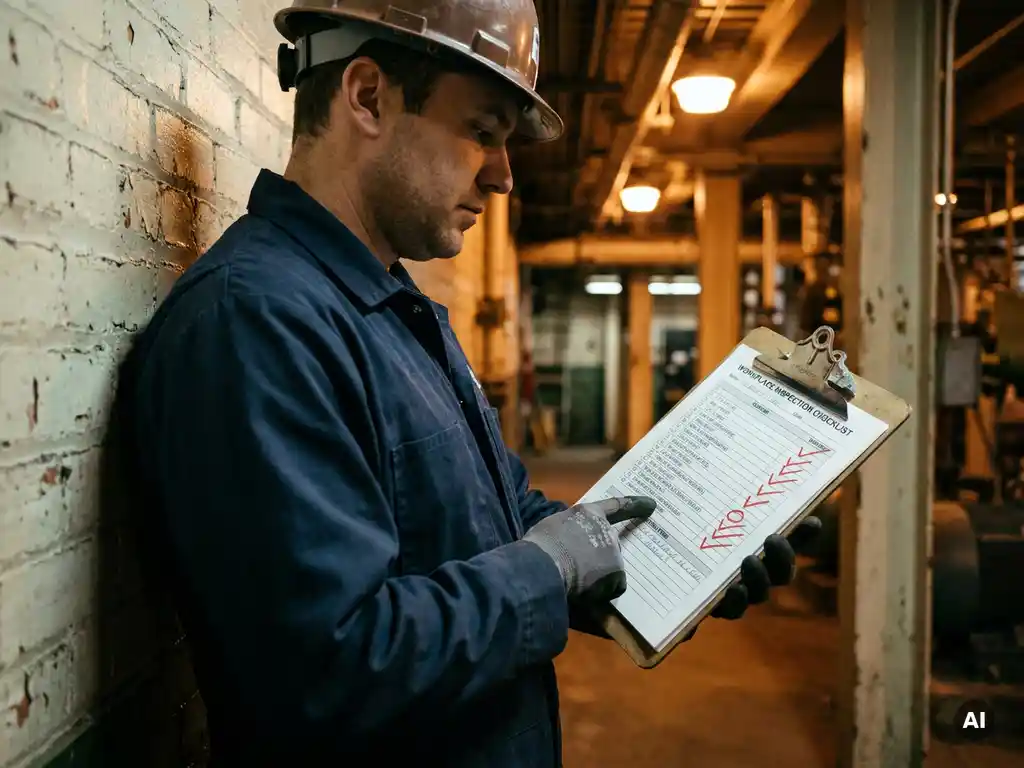
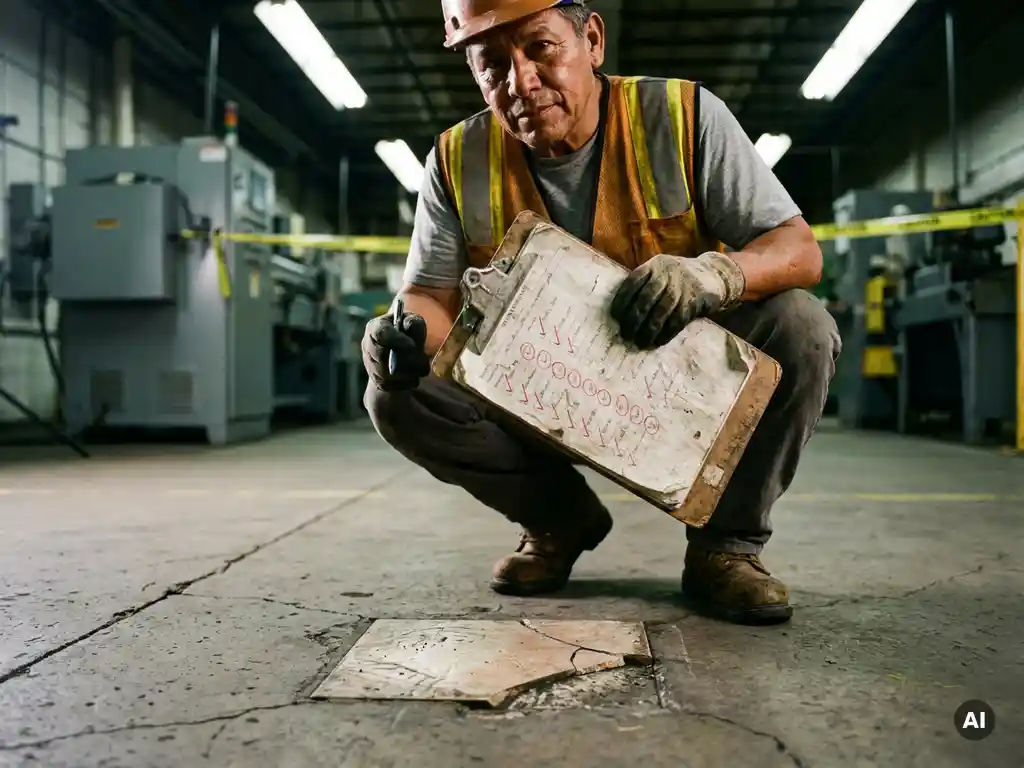
Walk the work area with a prepared safety inspection checklist. Focus on the areas most relevant to current operations, recent incidents, or known risk points. Record findings clearly, noting the location, the nature of the hazard, and its severity. Keep the inspection targeted so it can be completed quickly and the findings are still fresh when the meeting begins. Learn more about how to run effective workplace inspections.
Phase 2: Run the toolbox talk
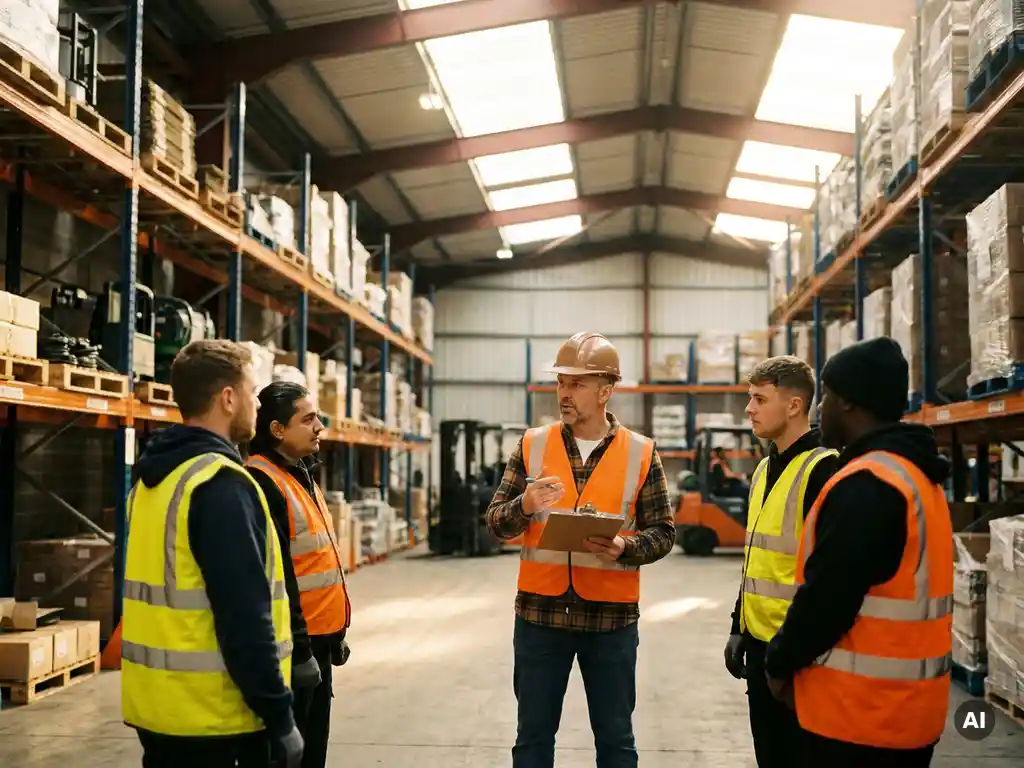
Bring the team together immediately after or at the start of the next shift. Present two or three of the most important findings from the inspection. Keep the safety toolbox meeting short, ideally under ten minutes. Use the findings to open a brief discussion: ask the team if they have noticed the issue, whether they understand the risk, and what they think should be done. This dialogue is more effective than a one-way briefing. For structured topic ideas, explore our toolbox talks resources.
Phase 3: Assign and confirm actions
Close the meeting by assigning specific corrective actions to named individuals with clear deadlines. Make sure everyone understands who is responsible for what. This step transforms the inspection from a paper exercise into a driver of real change.
What topics should a toolbox meeting cover after an inspection?
After a workplace inspection, a toolbox meeting should focus on the findings that pose the highest risk or require immediate behavioural change. Not every item on an inspection report needs to be a meeting topic. Prioritise findings that involve human action, recurring hazards, or anything that could cause injury if left unaddressed.
Common topics that emerge from inspections and work well in a toolbox talk include:
- Improper use or storage of tools and equipment
- PPE not being worn correctly or consistently
- Housekeeping issues such as blocked walkways or cluttered workstations
- Incorrect manual handling techniques observed during the inspection
- Emergency exit or evacuation route obstructions
- Near-miss incidents discovered during the walkthrough
- Changes to procedures or equipment that the team has not yet been briefed on
Avoid covering too many topics in a single toolbox meeting. One or two focused points discussed thoroughly are far more effective than a long list of issues that employees cannot realistically retain or act on. If the inspection surfaces many issues, schedule follow-up meetings for lower-priority items rather than trying to address everything at once. Supporting your team with clear work instructions can also help prevent recurring findings.
How do you document and follow up on combined meetings and inspections?
Documentation for a combined toolbox meeting and workplace inspection should capture the inspection findings, the topics discussed in the meeting, who attended, and the corrective actions agreed upon. Keeping these records in one place, rather than separate inspection logs and meeting sign-off sheets, makes follow-up and auditing significantly easier.
Effective follow-up depends on clear ownership. Every corrective action identified during the inspection and discussed in the meeting should have a named responsible person and a deadline. Without this, documentation becomes a compliance exercise rather than a driver of improvement.
A practical follow-up process looks like this:
- Record all inspection findings immediately after the walkthrough
- Note which findings were addressed in the toolbox talk and how the team responded
- Assign corrective actions with names and deadlines before the meeting closes
- Review open actions at the next inspection or team briefing
- Close actions only when the hazard has been resolved and verified
Regular review of closed and open actions also helps identify patterns. If the same issues keep appearing across multiple inspections, that signals a deeper procedural or training gap that needs a more structured response than a single toolbox talk. Building a culture of retaining and maintaining knowledge is essential to breaking this cycle.
How can digital tools make toolbox meetings and inspections more effective?
Digital tools make toolbox meetings and workplace inspections more effective by reducing administrative burden, improving consistency, and ensuring that findings and training content actually reach the people who need them. Mobile-friendly checklists, digital sign-off, and automated reminders remove the friction that causes follow-up to slip through the cracks.
For inspections, digital checklists allow inspectors to record findings in real time, attach photos, and assign actions on the spot. This eliminates the delay between inspection and reporting and reduces the risk of findings being lost or misinterpreted.
For toolbox meetings, digital tools allow safety topics to be prepared, distributed, and tracked without requiring everyone to be in the same room at the same time. This is particularly valuable for shift-based teams, multilingual workforces, or sites where gathering everyone together is logistically difficult. Short, focused learning content sent directly to employees ensures the right information reaches the right people, even across different shifts or locations. Structured onboarding programmes can also ensure new team members are aligned from day one.
How E-Lia supports toolbox meetings and workplace safety training
We make it easy to turn inspection findings into structured, trackable toolbox meetings that actually reach your team. With E-Lia, you can build a safety microlearning module in 10 to 15 minutes and send it directly to your employees via WhatsApp, with no app download or login required. This means your team receives the toolbox content exactly when they need it, whether they are on the shop floor, in a warehouse, or on a care ward.
Here is what E-Lia brings to your combined toolbox meeting and inspection process:
- Fast content creation: Build a focused toolbox module from your inspection findings in minutes
- Direct delivery via WhatsApp: No barriers to access, no new platforms to learn
- Automatic translation: Reach multilingual teams in their own language
- Progress tracking: See who has completed the module via a simple dashboard
- Scheduled sending: Plan modules to go out before a shift or immediately after an inspection
Whether you are managing safety training in healthcare, logistics, manufacturing, or retail, E-Lia helps you close the gap between what is found in an inspection and what your team actually knows and does. Book a demo to see how we can support your toolbox meeting and workplace inspection process.
Frequently Asked Questions
How often should we combine toolbox meetings with workplace inspections?
The ideal frequency depends on your industry and the pace at which conditions change in your work environment. For high-risk sectors like construction, manufacturing, or logistics, a combined approach at least once a week is a reasonable starting point. For lower-risk environments, monthly combined sessions may be sufficient — but any time an unplanned hazard or incident occurs, a targeted inspection followed immediately by a toolbox talk should happen regardless of your regular schedule.
Who should lead the combined toolbox meeting and inspection — a safety officer or a line manager?
Either can lead the process, but line managers or supervisors are often more effective because their direct relationship with the team increases credibility and engagement. A safety officer can conduct the inspection and prepare the findings, while the line manager delivers the toolbox talk to the team. What matters most is that the person leading the meeting is familiar with the work area, understands the findings, and can facilitate a genuine two-way conversation rather than just reading from a report.
What if the inspection uncovers a serious hazard that cannot wait for a toolbox meeting?
If an inspection reveals an immediate danger — such as a structural risk, live electrical exposure, or a serious chemical spill — stop work in the affected area first and address the hazard before any briefing takes place. The toolbox meeting should then follow as soon as the immediate risk is controlled, focusing on what happened, why it was missed, and what behavioural or procedural changes are needed to prevent recurrence. Never delay corrective action in order to fit a meeting format.
How do you keep toolbox meetings engaging when teams have heard the same safety topics repeatedly?
The most effective way to keep toolbox talks fresh is to anchor them in real, current findings from your own workplace rather than generic safety topics. When employees recognise the specific area, piece of equipment, or situation being discussed, engagement increases naturally. You can also rotate who leads the discussion, use photos taken during the inspection to make hazards visible, or ask team members to share their own observations — turning the meeting into a dialogue rather than a lecture.
Can this combined approach work for remote or shift-based teams who are rarely all together at the same time?
Yes, and this is where digital tools make the biggest difference. Rather than waiting until an entire shift is assembled, inspection findings can be converted into short digital modules or messages and sent directly to employees on their phones — before a shift starts or immediately after an inspection is completed. This ensures the toolbox content reaches every team member regardless of their schedule or location, and completion can be tracked to confirm the information has actually been received and reviewed.
What is the most common mistake teams make when running combined toolbox meetings and inspections?
The most common mistake is treating the documentation as the end goal rather than the corrective action. Teams often complete the inspection, run the meeting, fill in the forms — and then nothing changes because no one has clear ownership of the follow-up tasks. To avoid this, every corrective action must leave the meeting with a named person responsible and a specific deadline. A well-documented meeting with no follow-through provides compliance on paper but does nothing to improve actual safety on the ground.
How do we get workers to take toolbox meetings seriously rather than treating them as a box-ticking exercise?
Workers take toolbox meetings seriously when they can see that the discussions lead to real changes in their work environment. If corrective actions are consistently assigned, followed up on, and visibly resolved, trust in the process builds over time. Involving workers in the inspection itself — asking them to flag hazards they have noticed or to suggest solutions during the meeting — also shifts the dynamic from passive attendance to active participation, which significantly improves both engagement and retention of safety information.