


A short safety briefing before the start of work is organised by identifying the day’s risks, dividing responsibilities, and confirming agreements on protective equipment and emergency procedures. This does not need to be an extensive session: a structured briefing of a few minutes, in the right place and at the right time, ensures that everyone starts work with the same information. In this article, we answer the most frequently asked questions about setting up an effective safety briefing.
What should a safety briefing cover as a minimum?
A safety briefing covers at minimum the specific risks of the planned work, the personal protective equipment required, the emergency procedures and escape routes, and the responsibilities of the employees present. These are the basic elements that ensure everyone works safely and with awareness.
Depending on the nature of the work and the location, additional topics may be relevant. Consider:
- Hazardous substances or machinery used during the work
- Specific work permits or access requirements
- Current environmental factors such as weather conditions, other shifts, or construction phases
- Near-misses or previous reports that are relevant to the day
- Contact persons for questions or emergencies
The goal is not to share as much information as possible, but to share the right information at the right time. Keep the content concrete and tailored to what is actually happening that day. A briefing that is too general quickly loses employees’ attention and fails to achieve its purpose.
How long does an effective safety briefing take?
An effective safety briefing typically takes between five and fifteen minutes. Shorter is possible when risks are limited and employees are familiar with the situation. Longer is sometimes necessary for complex work, new locations, or when many different employees are present.
The length depends on a number of factors:
- Complexity of the work: The more risks or steps involved, the more explanation is needed.
- Familiarity of the employees: A regular team at a familiar location needs less explanation than a new group at an unfamiliar workplace.
- Current developments: Are there new risks, changed procedures, or recent incidents? Then the briefing deserves more time.
What you want to avoid in any case is a briefing that goes on so long that employees disengage. Keep it focused: cover only what is relevant for that day and skip general information that everyone already knows. A clear structure helps with this. Toolbox talks that are held regularly also build a shared foundation, allowing daily briefings to be shorter and more targeted.
Who is responsible for giving the safety briefing?
Responsibility for giving a safety briefing typically lies with the direct supervisor or the site manager. This is the person who oversees the work, knows the risks, and manages the employees. In practice, this is often the foreman, team leader, or project manager.
This does not mean the supervisor has to do everything alone. In some situations, it is advisable to involve a safety professional, prevention officer, or experienced colleague, particularly for complex or high-risk work. What matters is that the person giving the briefing:
- Is well acquainted with the day’s work
- Is aware of the current risks at the location
- Is able to answer questions from employees
- Speaks the language of the employees present, or ensures good interpretation
On worksites with multilingual teams, the last point is particularly important. A briefing that is not understood offers no protection. Ensure, therefore, that safety information is available in the languages that employees actually speak.
How do you ensure employees actually absorb the briefing?
Employees absorb a safety briefing better when the information is concrete, brief, and recognisable. Talk about situations they experience themselves, ask targeted questions to check understanding, and use visual aids where possible. Engagement starts with relevance: if employees can see that the briefing relates to their own work, they listen more attentively.
Practical ways to improve retention:
- Ask questions rather than just telling: “What do you do if you smell a gas leak?” works better than a list of procedures.
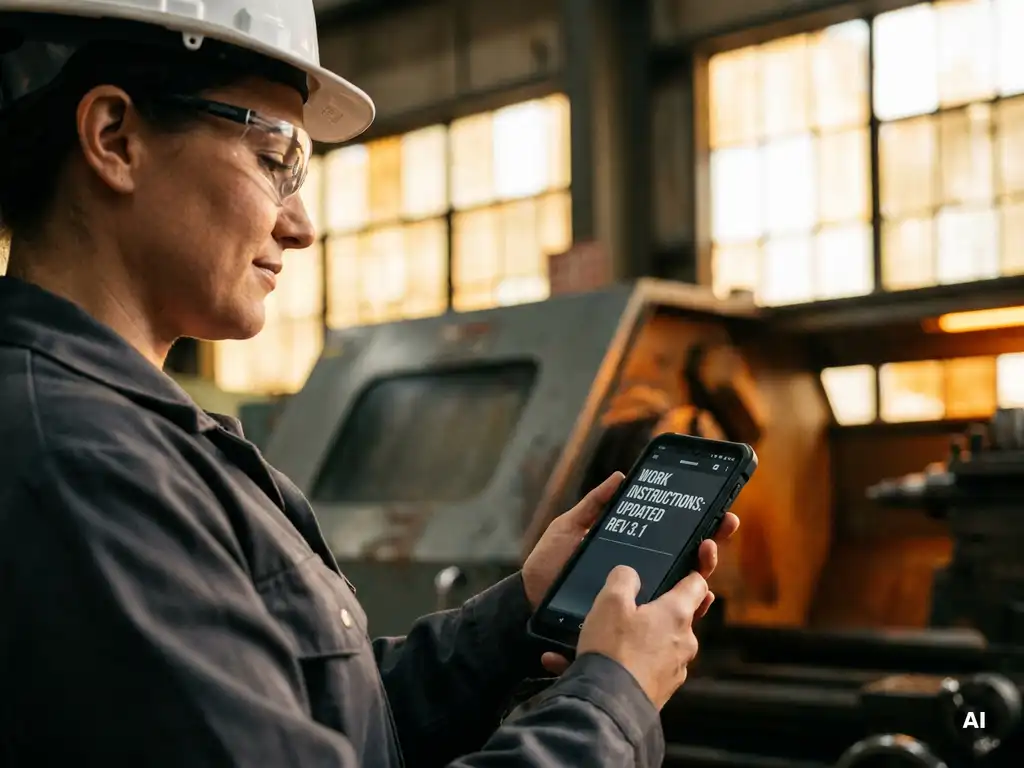
- Use images or short videos: Visual information can make safety instructions more accessible and easier to understand, especially for employees who are less proficient in the language.
- Hold the briefing at the workplace itself: A briefing at the actual work environment makes the risks more tangible than a session in an office or canteen.
- Vary the topics: Do not cover the same points every day. Variation maintains attention and keeps employees alert.
- Allow room for questions and comments: Employees who are able to contribute feel more involved and retain the information better.
Repetition also plays a role. Regular, short safety moments, such as toolbox talks, help to embed knowledge and normalise safe behaviour. This makes each individual briefing more effective, because employees already share a common foundation.
How do you record a safety briefing for compliance purposes?
A safety briefing is recorded by registering who was present, which topic was covered, when the briefing took place, and who gave the briefing. This record can support the demonstration of safety activities during inspections or audits.
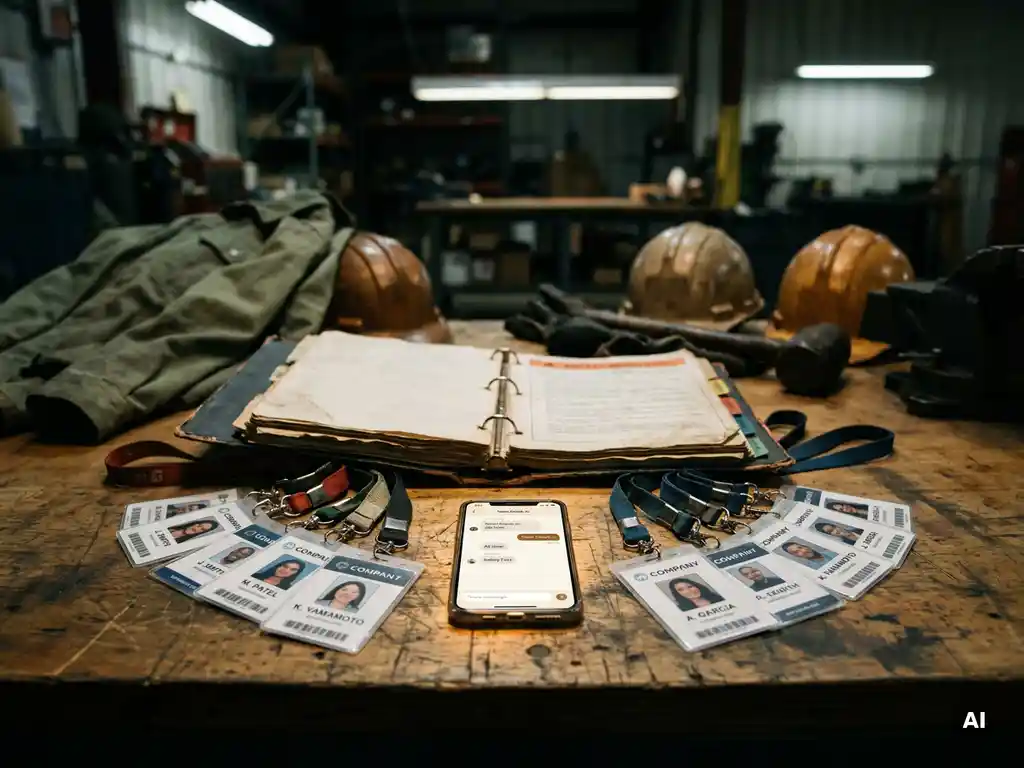
Traditionally, this is done with signature lists or paper forms. That works, but also has drawbacks: lists get lost, are difficult to search, and take time to maintain. Digital recording provides more overview and makes it easier to quickly show which instructions were provided, to whom, and when.
When recording, pay attention to the following points:
- Date and time of the briefing
- Name of the person who gave the briefing
- Topic or content of the briefing
- Attendance record of participating employees
- Any knowledge check or confirmation of understanding
Retain records for as long as necessary based on the applicable organisational, contractual, and legal requirements. Which requirements apply precisely depends on the sector, the nature of the work, and any certification requirements such as VCA. If in doubt, consult a health and safety professional or check the applicable regulations.
How we help with safety briefings and toolbox talks
We understand that organising a safety briefing in practice requires more than good intentions alone. Particularly with dispersed teams, multilingual employees, or changing work locations, it is a challenge to inform everyone on time, fully, and in a demonstrable way.
Via our platform, you send safety briefings and toolbox talks directly to employees’ phones, via WhatsApp. No extra app, no login procedure. What you achieve with this:
- Employees receive the briefing before or at the start of their working day, on their own phone
- Content is available in more than 50 languages thanks to AI-supported translations, so that employees who speak other languages also understand the instructions
- Knowledge checks verify whether the information has been understood, not just whether someone was present
- Participation and results are automatically recorded and immediately visible via a clear dashboard
- Physical toolbox meetings can also be recorded via the platform
Would you like to see how this works for your organisation? Get in touch with us and discover how to make safety briefings simpler, more inclusive, and more demonstrable.