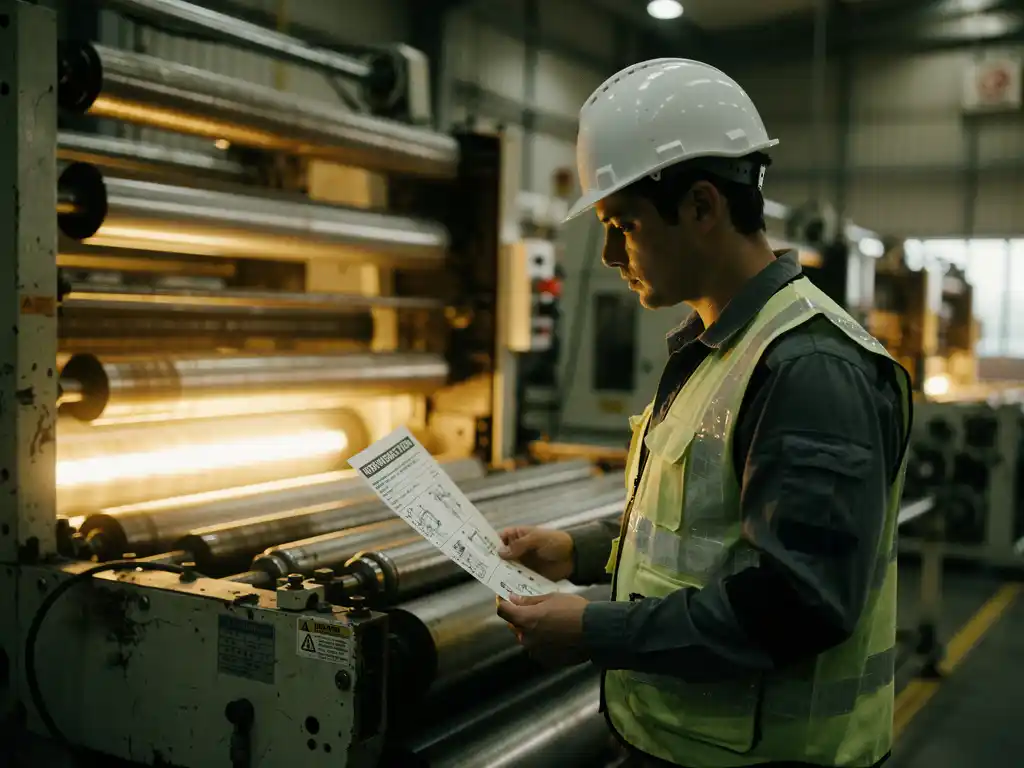
Getting your team on board with carrying out workplace inspections comes down to two things: making the purpose clear and making participation easy. When employees understand why inspections matter and feel involved in the process rather than monitored by it, resistance drops and team buy-in follows naturally. The sections below unpack the most common questions teams have about building a strong inspection culture, from overcoming resistance to keeping habits alive long-term.
Why do employees resist workplace inspections?
Employees resist workplace inspections primarily because they feel like surveillance rather than support. When inspections are framed as a way to catch mistakes or assign blame, people become defensive. The resistance is rarely about the inspection itself but about how it is introduced, communicated, and carried out within the team.
Several patterns tend to fuel this pushback. Employees who were never consulted during the design of an inspection process are far less likely to engage with it willingly. Similarly, if past inspections led to disciplinary action rather than constructive improvement, that memory shapes how people respond to future ones.
- Fear of being blamed for existing hazards or non-compliance
- Feeling that inspections add workload without adding value
- Lack of clarity about what the inspection is for and who sees the results
- No visible follow-up after previous inspections were carried out
Addressing resistance starts with reframing the narrative. Workplace safety inspections should be positioned as a shared responsibility, not a management tool. When employees see that findings lead to real improvements, their attitude shifts. Learn more about how structured workplace inspections can support this shift.
What role does communication play in inspection buy-in?
Communication is the single most important factor in securing employee engagement with inspections. Teams that understand the purpose, scope, and outcomes of an inspection are significantly more cooperative than those who receive little to no context. Transparent communication turns an inspection from something that happens to employees into something they are part of.
Before an inspection cycle begins, it helps to share a clear explanation of what will be checked, why it matters, and what happens with the results. Avoid jargon-heavy safety documents and opt for straightforward, conversational language that fits how your team actually communicates day to day.
After inspections, closing the loop is just as important as opening it. When employees see that a hazard they flagged was fixed, or that their input shaped a new procedure, they are far more likely to engage the next time. Silence after an inspection is one of the fastest ways to erode trust and reduce future participation.
How do you involve employees in the inspection process?
Involving employees in workplace inspections means giving them an active role rather than a passive one. This can range from including frontline workers in designing the inspection checklist to rotating inspection responsibilities across team members so that the process feels shared rather than top-down.
Practical ways to involve your team include:
- Co-create the checklist: Ask employees what hazards or issues they notice most often. Their on-the-ground perspective will improve the quality of the inspection and increase their sense of ownership.
- Rotate inspection duties: When different team members take turns carrying out inspections, the process becomes a collective habit rather than a management task.
- Create a feedback channel: Give employees a simple way to flag concerns between formal inspection cycles, so safety stays on the agenda year-round.
- Celebrate findings, not just outcomes: Recognise employees who identify issues, not just those who work in areas with no findings. This reinforces that spotting a problem is a positive contribution.
Involvement at the design stage is particularly powerful. When people help build the process, they are far more likely to trust it and follow through. Explore how toolbox talks can support team involvement in safety processes.
What training do employees need before carrying out inspections?
Before carrying out safety inspections, employees need three things: an understanding of what they are looking for, knowledge of how to document findings accurately, and clarity on what to do when they identify a risk. Without these foundations, inspections become inconsistent and their value is lost.
Onboarding safety training should cover the basics of hazard recognition specific to your workplace, the correct use of inspection forms or digital tools, and the escalation process for serious findings. This does not need to be a full-day course. Short, focused training delivered in the flow of work is often more effective, especially for frontline teams who have limited time away from their primary tasks. Find out how a structured onboarding programme can set new employees up for inspection success from day one.
It also helps to pair new inspectors with experienced colleagues for their first few rounds. Observational learning builds confidence quickly and reduces the anxiety that comes with taking on a new responsibility. Once employees feel competent, their willingness to carry out inspections consistently increases significantly.
How do you keep inspection habits going after the initial rollout?
Sustaining workplace compliance routines after the initial rollout requires structure, visibility, and regular reinforcement. The most common reason inspection habits fade is that the initial momentum was not supported by systems that make the behaviour easy to repeat over time.
A few approaches that help embed inspection habits long-term:
- Schedule inspections in advance and treat them like any other recurring task, not an optional extra when time allows
- Use short reminders sent at the right moment to prompt action, rather than relying on memory alone
- Share results visibly with the team so that inspection outcomes feel meaningful rather than administrative
- Review and refresh the inspection checklist periodically so it stays relevant to current risks and processes
- Recognise consistency by acknowledging teams or individuals who maintain their inspection schedule
Habit formation research consistently shows that behaviours tied to existing routines are easier to maintain. Linking inspections to a regular shift handover, weekly team meeting, or end-of-day process gives them a natural anchor in the working day. Discover how tools for retaining and maintaining knowledge can help keep inspection habits alive over time.
Which teams or sectors find it hardest to maintain inspection routines?
Teams in high-turnover sectors, shift-based environments, and industries with large numbers of multilingual workers tend to find it hardest to maintain consistent workplace inspection routines. The common thread is that these teams face more friction in receiving, retaining, and acting on safety information.
In logistics, production, and healthcare, for example, shift patterns mean that not all employees receive the same briefings. New starters rotate in frequently, and inspection knowledge can get lost between handovers. Multilingual teams face an additional barrier if training materials are only available in one language, making it harder for some employees to fully understand what is expected of them.
Retail environments face similar challenges, with high seasonal turnover meaning that inspection habits need to be rebuilt regularly as team composition changes. In all of these contexts, the solution is not more training sessions but smarter delivery of the right information at the right time, in a format that fits how people actually work. Clear work instructions delivered digitally can make a significant difference in these environments.
How E-Lia helps teams build a lasting inspection culture
We built E-Lia specifically for teams like the ones described above: frontline workers, multilingual staff, and organisations where traditional training tools create more friction than they solve. Our platform delivers workplace safety training, inspection reminders, and onboarding content directly via WhatsApp, with no app to download and no login required.
Here is what that looks like in practice for inspection-related training:
- Microlearning modules that explain inspection procedures in 3 to 6 minutes, built in 10 to 15 minutes by your team
- Automatic translations so every employee receives instructions in their own language
- Scheduled reminders sent via WhatsApp to prompt inspection routines at the right moment
- Progress tracking via a simple dashboard so you can see who has completed their training and who needs a follow-up
- Pre-onboarding and onboarding flows that introduce new starters to inspection responsibilities from day one
Whether you are rolling out a new inspection programme or trying to revive one that has lost momentum, we can help you build something that actually sticks. Plan a demo and see how E-Lia works for your team.
Frequently Asked Questions
How long does it typically take to build a genuine inspection culture within a team?
Building a genuine inspection culture usually takes between three and six months of consistent effort, depending on your team's size, starting point, and how embedded the new habits become. The first month is typically about introduction and training, the second and third about reinforcing routines, and beyond that about sustaining momentum through visibility and recognition. Progress tends to accelerate once employees start seeing tangible improvements resulting from their own findings — that feedback loop is what converts compliance into genuine buy-in.
What should I do if only a small number of team members are engaging with inspections despite our efforts?
Start by identifying whether the barrier is motivational or practical — are people unwilling, or are they simply finding the process too time-consuming or confusing to complete consistently? Have direct, informal conversations with non-participating employees to understand their specific blockers without making it feel like a performance review. From there, simplify the process where possible, pair disengaged employees with enthusiastic colleagues, and make sure findings are being visibly acted upon, since nothing kills participation faster than the feeling that inspections lead nowhere.
How do I adapt the inspection process for a team that works across multiple shifts or locations?
For multi-shift or multi-site teams, the key is removing the dependency on in-person briefings and creating inspection systems that work asynchronously. Digital tools that allow inspection reminders, checklists, and results to be accessed at any time — rather than during a fixed team meeting — are far more effective in these environments. Standardising the inspection format across all shifts and locations also ensures consistency, while a shared dashboard visible to supervisors at all sites helps maintain accountability without requiring constant manual follow-up.
Are there any common mistakes managers make when introducing a new inspection programme?
The most common mistake is launching an inspection programme without involving employees in its design, which immediately creates a top-down dynamic that breeds resistance. Another frequent error is treating the initial rollout as a one-time event rather than an ongoing process — training employees once and then expecting habits to sustain themselves without reminders, reinforcement, or visible follow-through. Managers also often underestimate the importance of closing the feedback loop: if employees flag issues and nothing changes, participation drops sharply in subsequent cycles.
How do I handle a situation where an inspection uncovers a serious hazard that has existed for a long time?
Address the hazard promptly and transparently, and resist the urge to treat its discovery as a disciplinary matter — doing so will discourage employees from flagging issues in the future. Communicate clearly to the team what was found, what action is being taken, and what the expected timeline for resolution is. Framing the discovery as a success — proof that the inspection process is working — reinforces a positive safety culture and encourages employees to keep identifying risks rather than staying silent to avoid blame.
Can inspection checklists become outdated, and how often should they be reviewed?
Yes, checklists can become outdated quickly, especially in workplaces where processes, equipment, or team structures change regularly. As a general guideline, review your inspection checklist at least every six months, and also after any significant incident, near-miss, or change in working procedures. Involving frontline employees in the review process is particularly valuable here — they are often the first to notice that certain checklist items no longer reflect the actual risks present in their day-to-day environment.
What is the best way to measure whether our inspection culture is actually improving over time?
Look beyond completion rates and track leading indicators such as the number of hazards identified per inspection, the average time between a finding being logged and being resolved, and employee-reported confidence in the inspection process. Completion rates tell you whether inspections are happening; these deeper metrics tell you whether they are having an impact. Periodic pulse surveys asking employees how safe they feel and how valued their safety input is can also provide qualitative insight that numbers alone won't capture.
Related Articles
- How do you translate workplace inspection findings into improvement actions?
- How do you make workplace inspections a positive habit on the shop floor?
- Which real-world PPE cases work best in safety toolbox presentations?
- Which toolbox talk topics are mandatory for compliance?
- What topics are covered in a toolbox meeting?